5 Non-Toxic Swaps for Your Bathroom
4/20/2026
⏱ 5-minute read
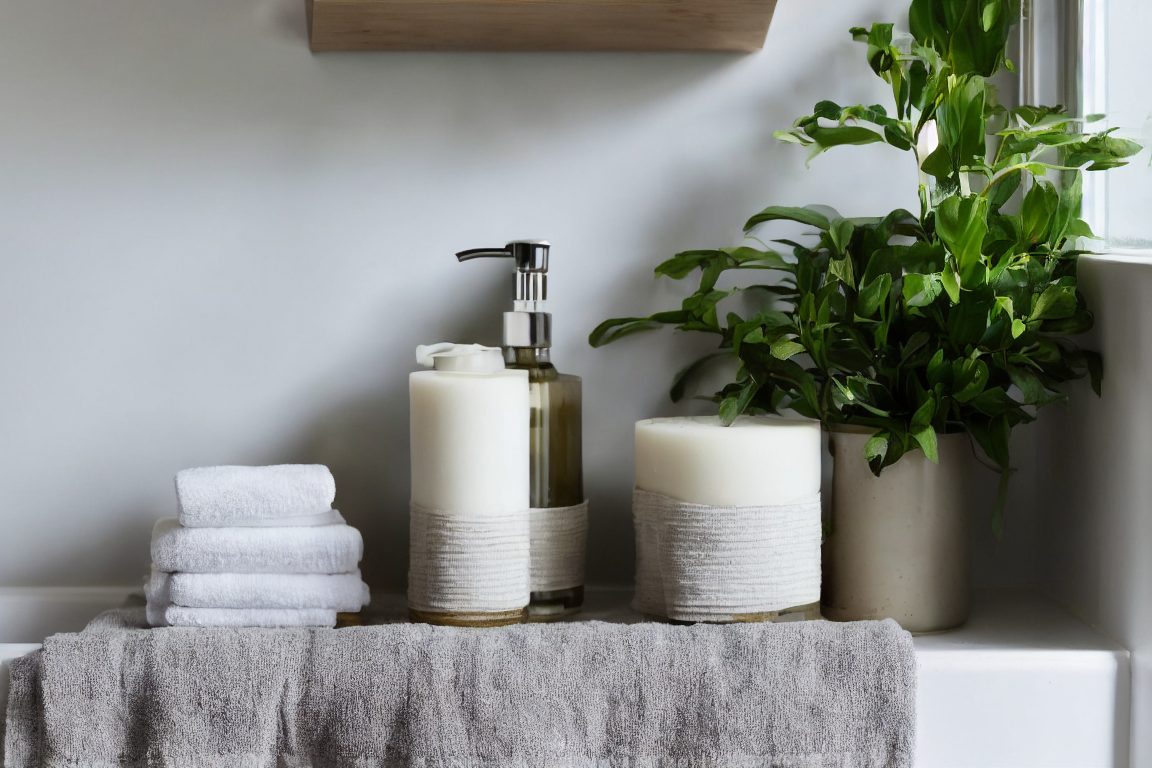
Transforming your bathroom into a non-toxic oasis is not only beneficial for your health but also supports better indoor air quality and aligns with eco-friendly living practices. With growing awareness around the impact of chemicals and unsustainable practices, taking steps to create a healthier bathroom environment not only elevates your personal wellbeing but also contributes to a greener planet. Here are five swaps you can make to ensure a healthier bathroom environment.
1. Switch to Natural Cleaning Products
Many conventional bathroom cleaners are packed with harsh chemicals that can irritate your skin and lungs. The alternatives are not only safer to use, but often just as effective. Consider swapping these out for natural or DIY cleaning solutions. Common household items like vinegar, baking soda, and lemon juice can efficiently clean surfaces, tackle soap scum, and eliminate odors.
To get started, a simple mixture of equal parts white vinegar and water in a spray bottle makes for a versatile cleaner. Baking soda is excellent for scrubbing sinks and grout, offering a gentle abrasive effect without scratching surfaces. Lemon juice can be added for its antibacterial properties and refreshing scent.
When shopping for commercial products, look for plant-based cleaners free from synthetic fragrances and harmful substances. Labels such as "biodegradable," "non-toxic," or "EPA Safer Choice" are good indicators of a product's safety. Materials like essential oils, citric acid, and coconut-based surfactants are effective and environmentally friendly.
- Checklist to Start:
- Check labels for "biodegradable" and "EPA Safer Choice."
- Swap out bleach for a vinegar-based solution.
- Use baking soda as a scrub for tough stains.
- Add a few drops of your favorite essential oil for fragrance.
2. Opt for Eco-friendly Shower Curtains
Vinyl shower curtains are notorious for releasing harmful volatile organic compounds (VOCs) into your bathroom. These can adversely affect air quality and might even cause respiratory issues over time. Make a healthier choice by replacing those with shower curtains made from natural materials such as cotton, hemp, or organic linen.
When choosing a new shower curtain, ensure the fabric is untreated and free from toxic dyes. Cotton and linen can be machine washed, reducing mildew risk and extending longevity. Hemp is particularly durable, offering resistance to mold and mildew naturally.
Alternatively, PEVA (polyethylene vinyl acetate) shower curtains are non-toxic options that don’t release VOCs, making them safer compared to PVC vinyl. While not as ecologically responsible as organic materials, they are a substantial improvement.
- Quick Start Tips:
- Choose natural-fiber curtains that are machine washable.
- Avoid PVC; opt for PEVA if needed.
- Ensure dyes and treatments are non-toxic.
3. Choose Chemical-free Personal Care Products
Your personal care routine doesn't have to involve harsh chemicals. Many shampoos, conditioners, and body washes contain parabens, sulfates, and synthetic fragrances, all of which can be harmful. These ingredients can disrupt hormone balance and cause skin irritation.
Instead, aim for products labeled as "natural" or "organic," featuring ingredients like essential oils and botanical extracts. Trusted certifications such as USDA Organic or EWG Verified indicate the safety and authenticity of the products.
When evaluating products, look for ingredients like aloe vera, coconut oil, and shea butter, which are nourishing without being harmful. Steer clear of ingredients like sodium lauryl sulfate (SLS), parabens, and phthalates often found in synthetic products.
- Buying Tips:
- Seek out third-party certifications like USDA Organic.
- Avoid synthetic fragrances; opt for naturally scented products.
- Test new products on a small skin area if you have sensitive skin.
4. Upgrade Your Toothpaste and Mouthwash
Concerns over ingredients like fluoride, triclosan, and artificial sweeteners in dental products are driving a trend toward natural alternatives. These conventional additives can be linked to several health issues, from inflammation to hormone disruption.
Natural dental care products often highlight ingredients like neem, which has antibacterial properties, and baking soda, known for its cleansing capability. Herbal formulations can offer effective cleaning without harmful additives while keeping your oral hygiene routine simple and effective.
- Selection Guide:
- Read labels carefully and avoid SLS and triclosan.
- Try products with natural sweetness like xylitol.
- Experiment with neem and baking soda-based formulations for freshness.
5. Use Bamboo or Recycled Paper Products
Conventional toilet paper and tissues often involve unsustainable production processes that contribute to deforestation and chemical pollution. Instead, choose products made from bamboo or recycled paper, which are sustainably sourced and processed without chlorine bleach.
Bamboo as a resource grows rapidly, making it a highly renewable and eco-friendly option. Recycled paper products utilize post-consumer waste, reducing landfill contributions and energy consumption compared to traditional paper production.
Additionally, consider incorporating washable and reusable cloths for tasks such as drying hands or cleaning. This simple switch not only reduces waste but also minimizes exposure to chemicals found in some paper products.
- Switching Steps:
- Select recycled or bamboo products labeled as “chlorine-free.”
- Switch to reusable cloths where possible for everyday tasks.
- Experiment with unbleached towel options for better sustainability.
Common Mistakes
When transitioning to a greener bathroom, avoid overly trusting marketing terms without verification. Claims like "natural" and "eco-friendly" are not regulated terms and might mislead consumers. Always read ingredient lists and seek certifications from reputable sources for confirmation of claims.
Do not attempt to replace all products at once; this can be overwhelming and wasteful. Instead, swap items gradually as you use up current supplies. This approach is economically practical and allows for a smoother transition to non-toxic living.
Make the Transition Simple
Transitioning to a non-toxic bathroom is a journey, not a sprint. Begin by replacing products as you finish their current counterparts. Educate yourself on how to read labels and identify common toxic ingredients to avoid. By supporting brands that prioritize sustainability and transparency, you help create a demand for more earth-friendly options.
Consider adding houseplants like aloe vera and spider plants to your bathroom to naturally purify air and boost the healthy atmosphere. These plants can thrive in humid conditions and contribute to a pleasant environment.
Embrace these small yet powerful changes, and witness a positive difference in your health and environmental impact. Step by step, you can make your home a safer and cleaner place to live.
As an Amazon Associate, The Clean Code earns from qualifying purchases.
Featured Product

Green Cleaning Vinegar
This biodegradable, non-toxic vinegar is perfect for DIY cleaning, cutting through soap scum and deodorizing your space.
View on Amazon →You May Also Like
10 Non-Toxic Cleaning Hacks for a Healthier Home
10/9/2025
Switch your home to safe and simple alternatives with these easy DIY cleaning tricks.
Read More →
The Clean Cookware Guide: Healthier Materials for Everyday Cooking
10/11/2025
Discover which cookware materials are safest for your health and how to build a toxin-free kitchen.
Read More →
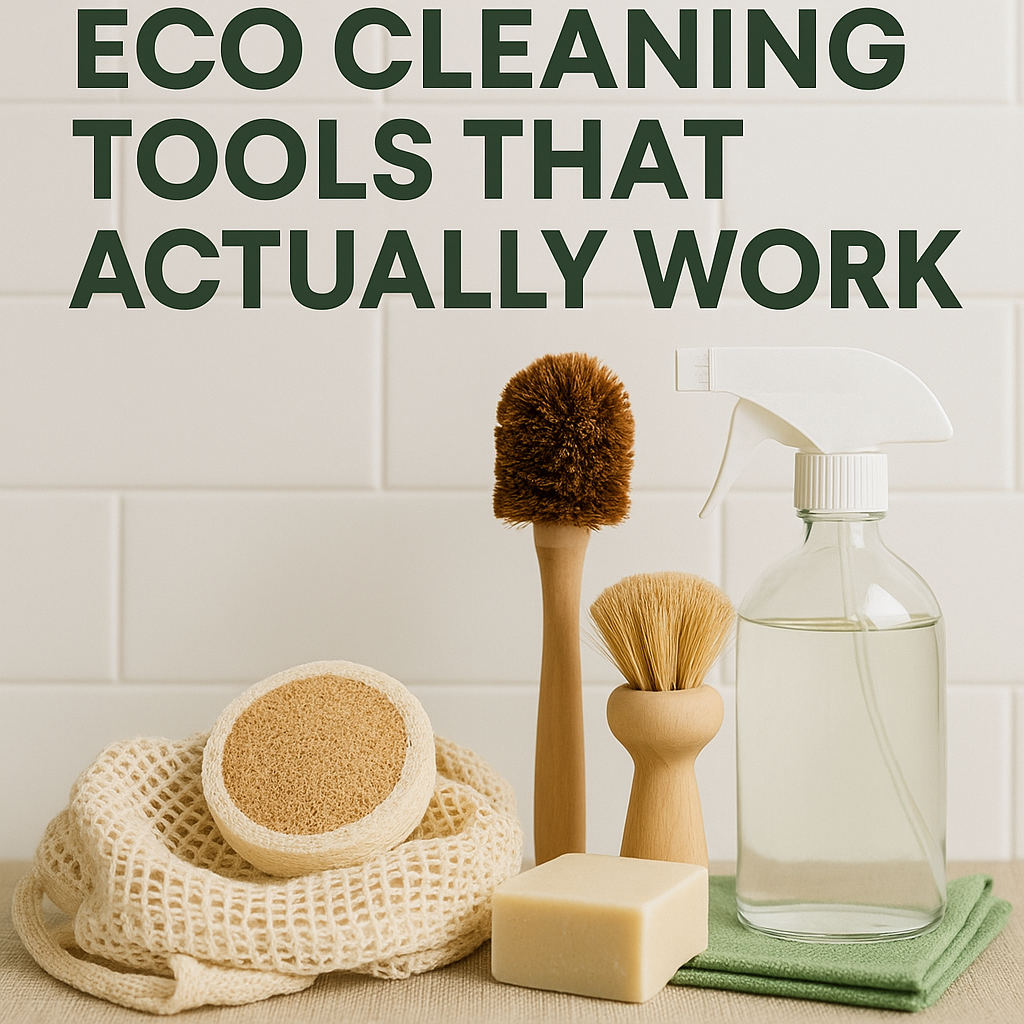
Eco Cleaning Tools That Actually Work
10/13/2025
Swap plastic sponges and wasteful paper towels for durable, sustainable tools that clean better and last longer.
Read More →