The Clean Cookware Guide: Healthier Materials for Everyday Cooking
10/11/2025
⏱ 7-minute read
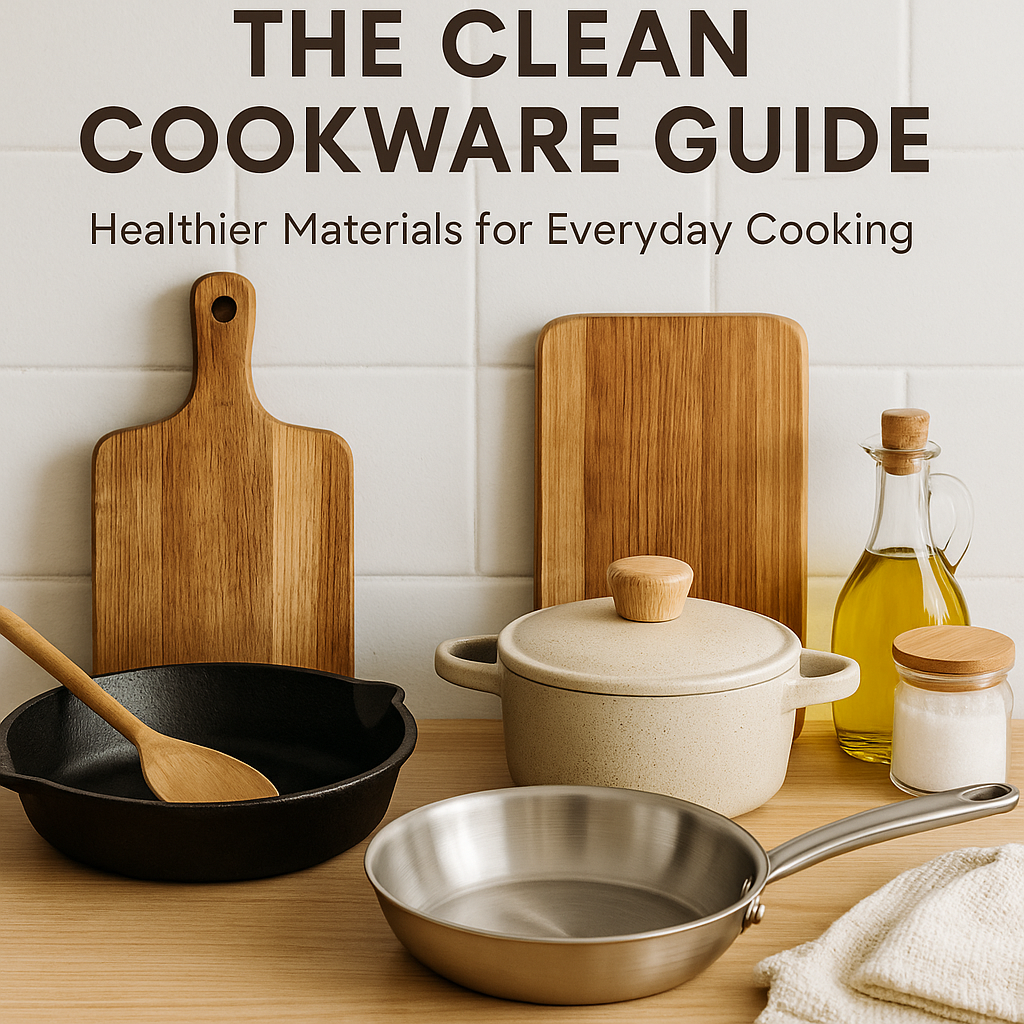
Your cookware isn’t just a tool — it’s the surface your food spends the most time touching. That means the materials you cook on can either protect your health or expose you to hidden toxins that build up over time. In this Clean Code guide, we’ll break down which cookware types are safest, which to avoid, and how to maintain them for years of healthy meals.
Why Cookware Materials Matter
Every pot, pan, and baking sheet is made of something — and that “something” can leach into your food, especially at high heat. Over time, exposure to cheap coatings, synthetic materials, or reactive metals can contribute to hormone disruption, heavy-metal buildup, and other health concerns. The goal is simple: choose cookware that’s durable, inert, and easy to maintain without mystery coatings.
When considering cookware materials, it's essential to be aware of the thermal conductivity, reactivity with different food types, and the potential for leaching substances. Thermal conductivity affects how evenly your food is cooked, while reactivity involves the chemical interactions between the cookware and the food. Look for materials that offer stability and minimal reactivity for a safer cooking experience.
🔩 Stainless Steel: Durable, Reliable, and Non-Reactive
Stainless steel is one of the best overall cookware materials. It’s stable under high heat, non-reactive with acidic foods, and built to last decades. Look for 18/10 or 304-grade stainless, which balances chromium for corrosion resistance and nickel for strength. Multi-ply or “clad” pans, like those from HexClad, distribute heat evenly and eliminate hot spots. This means fewer burnt spots and more evenly cooked meals.
- Pros: Extremely durable, oven-safe, dishwasher-friendly, non-toxic.
- Cons: Not naturally nonstick — requires preheating and oil for best results.
- Best use: Everyday searing, sautéing, and deglazing sauces.
Buying Tips: When purchasing, ensure the cookware is labeled as 'stainless steel with multi-ply or copper core' to enjoy the best cooking experience. A thicker base ensures even heat distribution and reduces the risk of warping over time. The weight of the pan should feel balanced in your hand, indicating a solid construction.
🍳 Cast Iron: The Original Non-Toxic Nonstick
Cast iron cookware is beloved for its heat retention and seasoning — a natural layer of polymerized oil that creates a slick, protective surface. Unlike synthetic coatings, this layer actually gets better with use. Traditional brands like Lodge offer affordable, lifetime pieces.
- Pros: Naturally nonstick when seasoned, chemical-free, nearly indestructible.
- Cons: Heavy, can rust if neglected, and reacts with acidic foods until well seasoned.
- Best use: Searing, baking, roasting, and high-heat stovetop cooking.
Seasoning Guide: Proper seasoning is key. Start by cleaning your cast iron with warm water and a mild brush. Dry thoroughly, then rub a thin layer of vegetable oil over the entire surface. Heat the pan upside down in the oven at 375°F for about an hour to create a protective coat. Repeat this process occasionally to maintain optimal performance.
🥘 Enameled Cast Iron: Easy Cleaning, Same Strength
If you love cast iron but hate maintenance, enameled cast iron offers the best of both worlds. The enamel coating prevents rust and allows you to cook acidic foods like tomato sauce safely. Choose brands that use lead-free, high-quality enamel glazes. Avoid cheap versions with “unknown origin” labels — these can still contain trace contaminants in the glaze.
Checking Quality: When choosing enameled cast iron, examine the weight. A heavy piece usually indicates good material quality. Ensure the enamel is chip-free and offers a smooth surface. Skipping this check could lead to enamel flakes contaminating your food. Always follow the manufacturer's guidance for compatibility with stovetops, as some can only withstand low heat.
🍲 Glass Cookware: Pure and Transparent
Glass is one of the most inert materials available. It doesn’t react with food or leach chemicals — ever. It’s excellent for baking, storing, and reheating meals. The only downside? It’s fragile and doesn’t conduct heat evenly, so it’s best for oven use, not stovetops. Still, glass casserole dishes and storage containers are an unbeatable staple for a clean kitchen.
Tips for Use: Use glass cookware primarily in the oven or microwave. Avoid drastic temperature changes to prevent cracking — let the glass cool naturally. Despite its fragility, the inert nature of glass ensures more flavor retention in your food without any unwanted chemical additives.
🥄 Ceramic and Stoneware: Natural but Not Always Perfect
Ceramic cookware can be a safe, beautiful choice — if made properly. True ceramic (not ceramic-coated metal) is toxin-free, naturally nonstick, and aesthetically pleasing. The key is verifying that glazes are lead- and cadmium-free. Some imported brands still use heavy metals in pigments, so always check certifications or opt for US- or EU-regulated brands.
Buying Considerations: Authenticity is crucial. Check for marks that indicate '100% ceramic' or certifications from recognized health and safety organizations. Stoneware is excellent at heat retention and distributing it evenly during cooking, making it a favorite for pies, casseroles, and lasagnas. Keep in mind that ceramic and stoneware often require hand washing to maintain their luster and function.
🚫 What to Avoid: Teflon and PFAS-Coated Pans
Traditional nonstick coatings like Teflon (PTFE) or PFAS-based surfaces break down over time, releasing harmful gases at high heat. These chemicals have been linked to endocrine disruption, reproductive harm, and environmental contamination. Even “PFOA-free” doesn’t always mean safe — it often just swaps one PFAS chemical for another. If you need nonstick, go with seasoned cast iron or carbon steel instead.
Identifying Safe Nonstick Options: If your cooking style absolutely requires nonstick surfaces, seek out pans explicitly marked 'PFAS- and PFOA- free,' but delve deeper into customer reviews about their longevity and genuine nonstick performance.
🔬 The Science of Heat and Reactivity
Why does this matter? Because certain metals interact with acidic foods. Aluminum, for example, can react with tomato sauce or lemon juice, releasing small amounts into your meal. Stainless steel and cast iron form protective layers that prevent this. The less your cookware “reacts,” the cleaner your meal — both nutritionally and chemically.
Testing Your Cookware: For peace of mind, simple tests can be done. For aluminum, avoid using it directly with high acidity foods or line it with parchment for baking. Check for any 'pitting' or discoloration that could indicate reactivity has begun.
💧 Cleaning and Care for Longevity
Proper maintenance extends your cookware’s life and minimizes waste. Use gentle scrubbing pads, avoid harsh detergents, and season cast iron regularly. Store lids off to prevent moisture buildup. For stainless steel, a baking soda paste can remove discoloration without scratching the surface.
Quick Cleaning Guide:
- Stainless Steel: Use warm, soapy water right after cooking, and polish with a bit of vinegar for added shine.
- Cast Iron: Clean with a stiff brush and hot water while the pan is still warm. Avoid soap unless necessary.
- Glass and Ceramic: Hand wash to preserve coating and prevent scratching. Let them air dry completely.
🌿 Building a Clean Cookware Collection
Start small. You don’t need to overhaul your kitchen overnight. Begin with one stainless skillet, one cast iron pan, and one glass baking dish. These three items cover 90% of daily cooking needs. Add pieces gradually as your budget allows. Quality beats quantity — always.
Essential Checklist for New Buyers:
- Budget for longevity, aiming to replace less often.
- Research brands known for both quality and ethical production.
- Don’t forget to recycle or properly dispose of old, toxic cookware.
Common Mistakes to Avoid
When transitioning to cleaner cookware, avoid a few common pitfalls that can derail your efforts and investment. Never rush seasoning, especially with cast iron, as it leads to flaking and uneven cooking surfaces. Avoid high dishwasher heat on enamel coatings, which can cause chipping and color fade. Lastly, skip abrasive materials that scratch or erode the protective coatings, compromising safety and performance.
Final Thoughts
Choosing clean cookware isn’t about fear — it’s about control. When you know what your pans are made of, you can cook with confidence, free of unnecessary chemicals and coatings. Stainless steel, cast iron, and glass are the backbone of a safe, long-lasting kitchen. Treat them well, and they’ll serve generations — just as healthy cooking should.
Small upgrades in your cookware can create big upgrades in your health. Start with one swap, cook mindfully, and enjoy food that’s as clean as the life you’re building.
As an Amazon Associate, The Clean Code earns from qualifying purchases.
You May Also Like
10 Non-Toxic Cleaning Hacks for a Healthier Home
10/9/2025
Switch your home to safe and simple alternatives with these easy DIY cleaning tricks.
Read More →
Eco Cleaning Tools That Actually Work
10/13/2025
Swap plastic sponges and wasteful paper towels for durable, sustainable tools that clean better and last longer.
Read More →
Clean Air at Home: Reducing Toxins and Freshening Naturally
10/15/2025
Indoor air can be 2–5x more polluted than outdoors. Here’s how to freshen your space naturally without synthetic sprays.
Read More →