Clean Air at Home: Reducing Toxins and Freshening Naturally
10/15/2025
⏱ 6-minute read
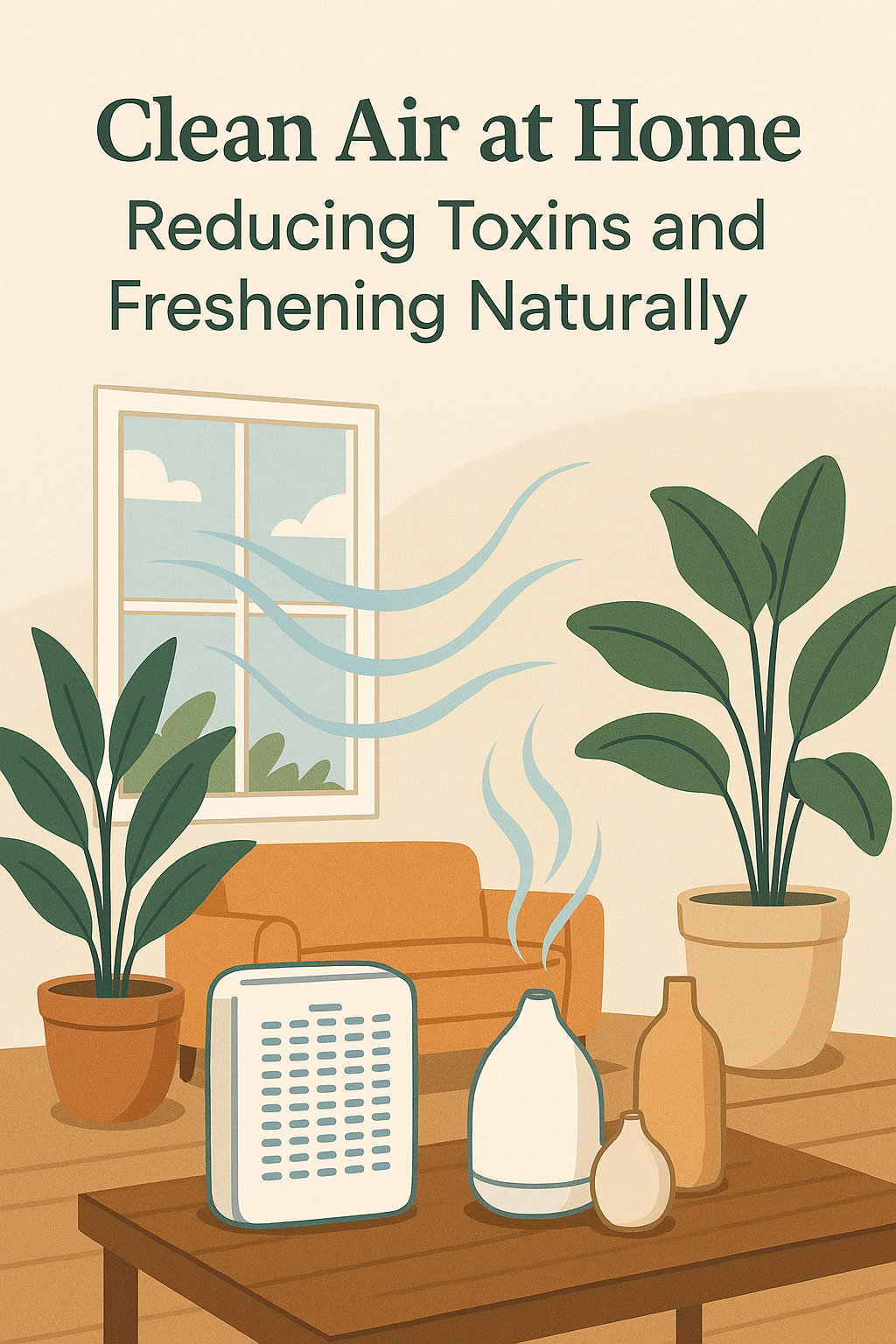
We often think of “pollution” as something that happens outside — car exhaust, smog, and factory smoke. But the truth is, the air inside your home can be 2–5 times more polluted than the air outside. The biggest culprits? Synthetic fragrances, off-gassing furniture, cooking fumes, and cleaning chemicals that release volatile organic compounds (VOCs) into your breathing space.
Luckily, there are simple, natural ways to freshen your air without filling your home with toxins. With a few key swaps, you can create a calm, clean environment where every breath actually feels good for you.
🌫️ The Hidden Sources of Indoor Toxins
Air fresheners, candles, cleaning sprays, and even new furniture often release VOCs — volatile organic compounds — that can linger indoors for days or even weeks. These chemicals contribute to “sick building syndrome,” headaches, fatigue, and allergies.
- Scented candles: Most are made from paraffin wax (a petroleum byproduct) that emits benzene and toluene when burned. Opt for unscented candles or those made from natural materials.
- Plug-in air fresheners: Contain synthetic fragrances and phthalates that can disrupt hormones. Consider using a natural air purifier or an essential oil diffuser instead.
- Household cleaners: Spray cleaners, disinfectants, and detergents often include ammonia, chlorine, or synthetic surfactants that irritate lungs. Switch to plant-based or homemade cleaners when possible.
- New furniture & flooring: MDF, particleboard, and vinyl can off-gas formaldehyde and plasticizers for months after installation. Proper ventilation and choosing solid wood furniture can help mitigate these effects.
🌿 Natural Ways to Freshen the Air
Clean air doesn’t come from covering up odors — it comes from eliminating the sources and replacing them with natural alternatives. Here’s how to do it effectively.
1. Open Windows Daily
Fresh air exchange is the simplest and most effective way to reduce indoor pollutants. Open multiple windows for 10–15 minutes in the morning to create cross-ventilation. Even in winter, short bursts of fresh air can reset your home’s air quality dramatically. Consider placing a fan in a window to facilitate air movement and remove stagnant air.
2. Use Essential Oil Diffusers
Instead of masking odors with synthetic sprays, use a natural essential oil diffuser. A few drops of lavender, lemon, or eucalyptus can purify and uplift without harmful chemicals. Diffusers release plant-based aroma molecules that break down odor compounds instead of layering over them.
For best results, use distilled water and run your diffuser for 20–30 minutes at a time. Natural oils like lemon, rosemary, and clove can even reduce airborne bacteria. When purchasing essential oils, look for therapeutic-grade to ensure purity and efficacy.
3. Spray Natural Air Mists
DIY your own spray using a reusable glass spray bottle. Combine 1 cup distilled water, 1 tablespoon witch hazel, and 10–15 drops of essential oils. This blend neutralizes odors and freshens fabrics naturally — no artificial fragrances required.
Try this simple blend for a clean, balanced scent:
- 6 drops lemon
- 5 drops lavender
- 3 drops eucalyptus
Shake before each use, mist lightly into the air or onto upholstery, and enjoy a breathable, chemical-free freshness. Adjust the essential oil drop count to your preference, keeping in mind the potency of each oil when blending.
4. Add Air-Purifying Plants
Nature has its own filtration system. Houseplants like peace lilies, spider plants, and snake plants absorb toxins like formaldehyde and benzene while releasing clean oxygen. A few well-placed plants in your kitchen, living room, or bedroom can noticeably improve your air quality.
For the best effect, group several medium-sized plants near light sources — they’ll act like a natural air filter that doubles as décor. Ensure plants are watered and maintained to prevent mold or fungus, which can counteract their air-purifying benefits.
5. Choose Beeswax or Soy Candles
If you love candlelight, switch to 100% beeswax or soy candles scented only with essential oils. Beeswax candles actually emit negative ions that bind with pollutants in the air, helping them fall out of circulation. They burn cleaner, slower, and smell naturally sweet without chemical residues.
When buying, verify that the candle is 100% beeswax or soy, as some candles may be labeled 'blended,' mixing petroleum-based wax with beeswax or soy.
6. Keep It Clean — Naturally
Dust, pet dander, and VOCs cling to fabrics and surfaces. Regularly wipe with a damp cloth and vacuum using a HEPA filter to trap particles instead of redistributing them. For all-purpose cleaning, use non-toxic solutions from our DIY cleaning guide that rely on vinegar, baking soda, and hydrogen peroxide instead of synthetic sprays.
Focus on high-traffic areas and textiles like curtains, upholstery, and carpets, which can harbor allergens if left unchecked.
🪴 Bonus: The Power of Fresh Air Habits
Improving indoor air quality isn’t a one-time project — it’s a daily habit. Here’s how to make it automatic:
- Crack open windows during showers or cooking to control humidity and disperse fumes.
- Run your range hood to remove cooking fumes and smoke efficiently. Consider upgrading to a hood with a higher capture efficiency for better results.
- Change HVAC filters every 3 months to maintain optimal airflow and remove dust buildup. Use filters with a high MERV rating for better dust and allergen capture.
- Avoid aerosol sprays and synthetic “odor eliminators.” Identify and remove the source of odors instead.
- Burn candles sparingly and never alongside synthetic air fresheners to prevent air conflict and potential compounding of VOCs.
🙋♀️ FAQ
How often should I replace air-purifying plants?
Air-purifying plants generally don’t need to be replaced if they are healthy and thriving. Provide proper care by ensuring they receive enough light and water, and trim them if needed to encourage growth.
Can I use any essential oil in a diffuser?
While many essential oils are safe for diffusion, some, like peppermint and eucalyptus, can be overwhelming or irritating in higher concentrations. Always start with fewer drops and adjust as needed. Check compatibility, especially if you have pets.
🌸 Final Thoughts
Clean air is the foundation of a clean home. The fewer chemicals and synthetic scents you introduce, the lighter your environment — and your breathing — will feel. Nature already gives us everything we need to purify, refresh, and restore balance.
Start with small steps: replace one synthetic air freshener with a diffuser or DIY spray. Over time, these swaps transform your home from chemically “fresh” to naturally fresh — the way clean air should be.
As an Amazon Associate, The Clean Code earns from qualifying purchases.
You May Also Like
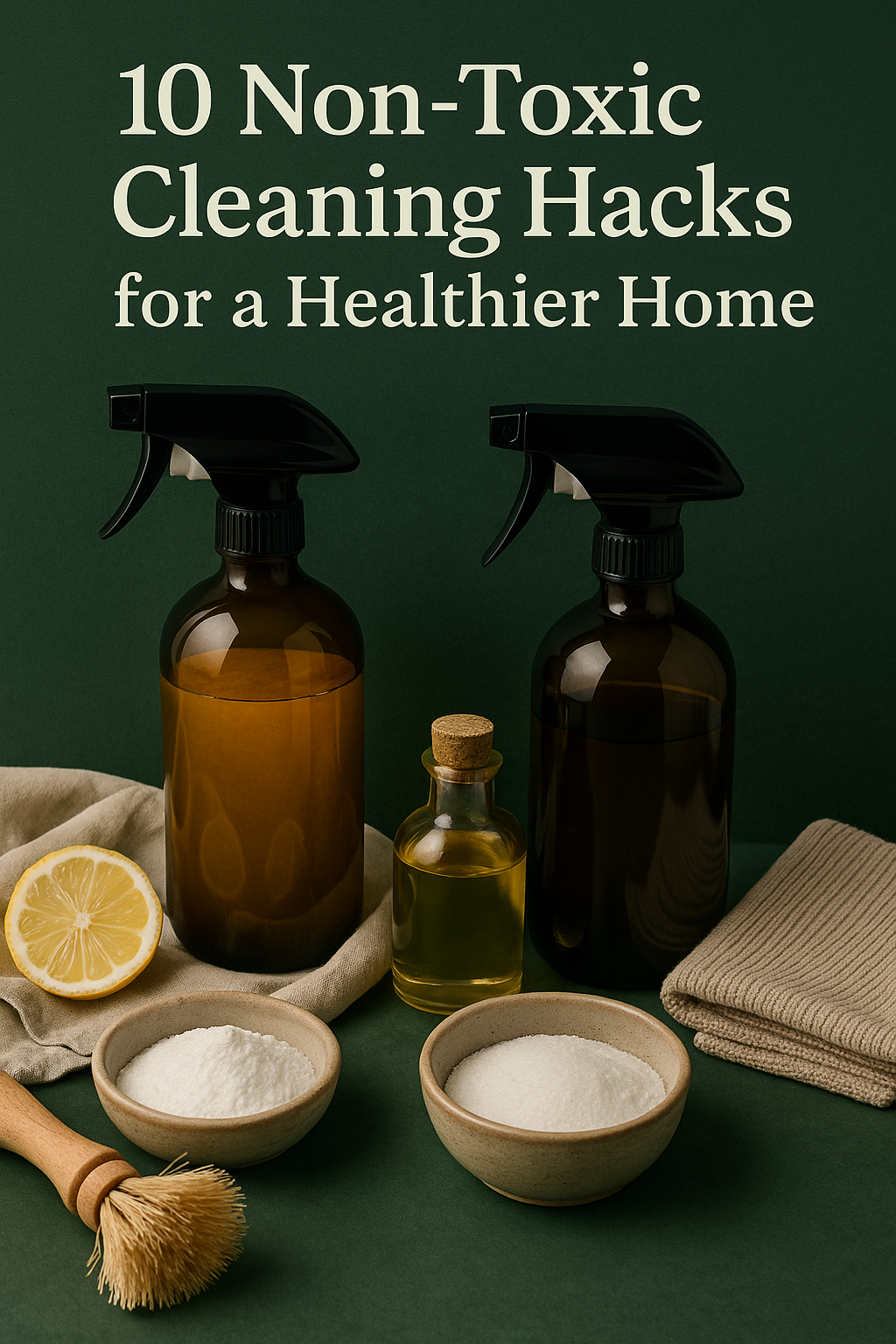
10 Non-Toxic Cleaning Hacks for a Healthier Home
10/9/2025
Switch your home to safe and simple alternatives with these easy DIY cleaning tricks.
Read More →
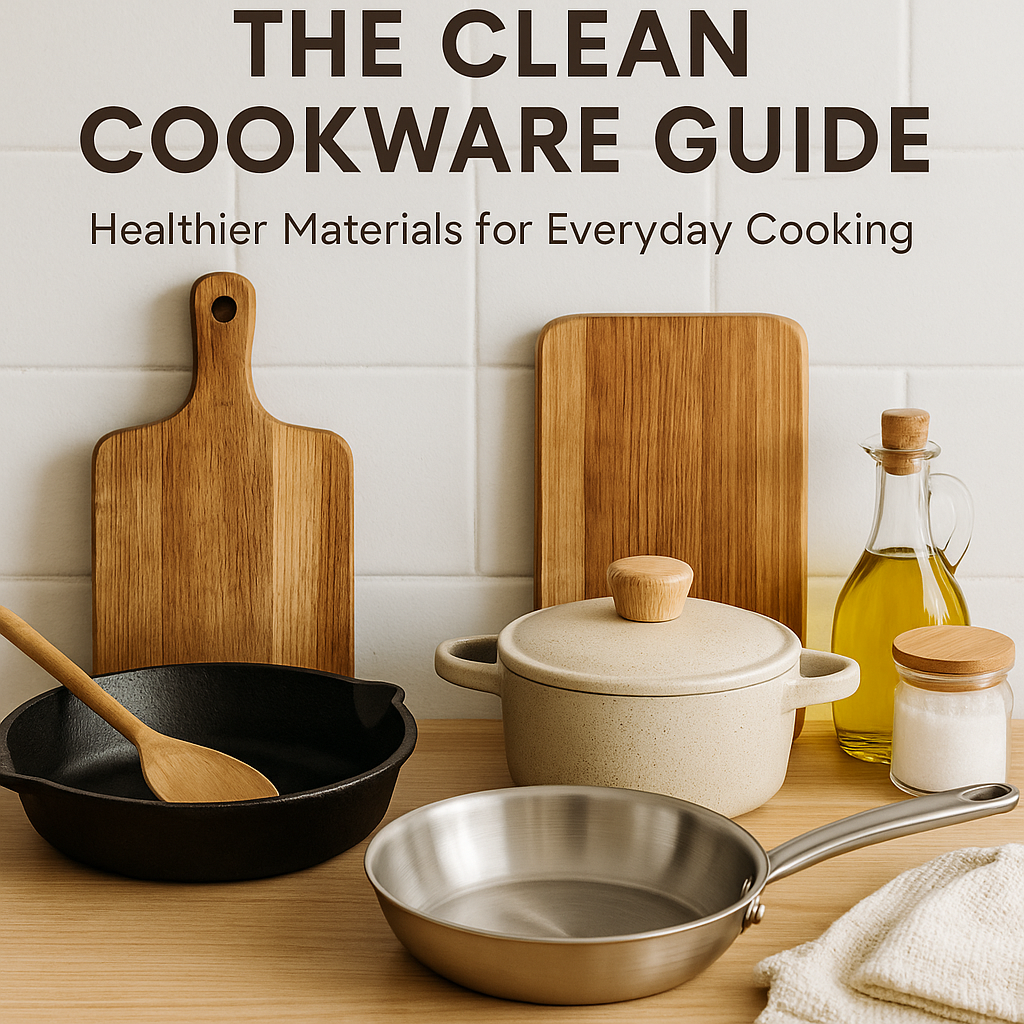
The Clean Cookware Guide: Healthier Materials for Everyday Cooking
10/11/2025
Discover which cookware materials are safest for your health and how to build a toxin-free kitchen.
Read More →
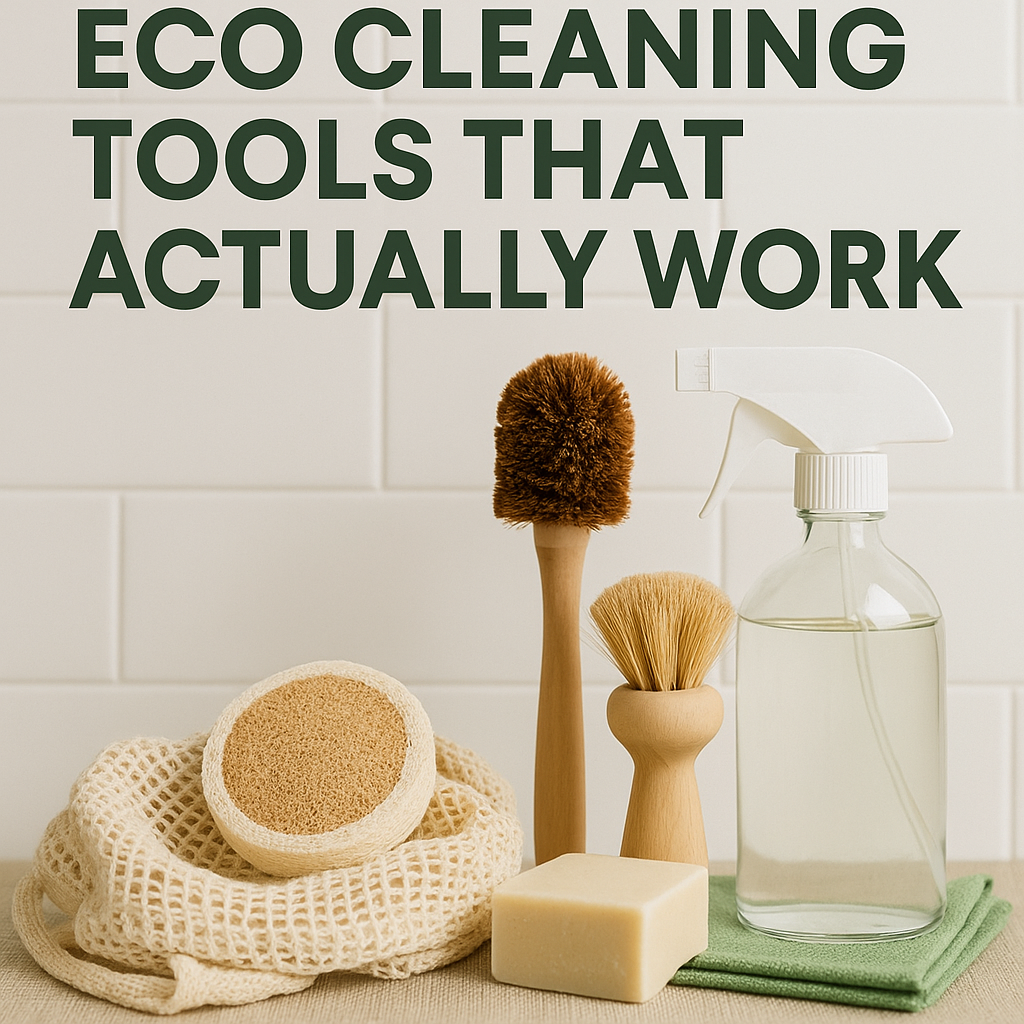
Eco Cleaning Tools That Actually Work
10/13/2025
Swap plastic sponges and wasteful paper towels for durable, sustainable tools that clean better and last longer.
Read More →