Allergy-Friendly Bedding Solutions: Non-Toxic Materials for a Healthier Sleep
8/24/2026
⏱ 3-minute read

For those of us who struggle with allergies or simply aim for a healthier night’s sleep, addressing the environment within our bedrooms can make a significant difference. Specifically, one crucial component to tackle is your bedding choice. Allergy-friendly bedding solutions are designed not only to minimize exposure to allergens, such as dust mites, mold, and pet dander, but also to eschew harmful chemicals that exacerbate allergies or asthma.
Understanding Allergy-Friendly Bedding
Allergy-friendly bedding serves a dual purpose: enhancing respiratory health and offering a more restful sleep environment. This type of bedding is intentionally crafted to be free from irritants, thereby reducing symptoms such as sneezing, coughing, and skin irritation that can disrupt your rest.
Key Features of Allergy-Friendly Bedding
When selecting bedding to reduce allergens, focus on materials that are non-toxic and possess hypoallergenic qualities. It's crucial that these materials prevent the accumulation of allergens, thanks to their tightly woven constructions.
Recommended Non-Toxic and Eco-Friendly Materials
- Organic Cotton: Free from pesticides, this material is gentle on the skin and provides excellent breathability.
- Bamboo: Naturally antimicrobial, bamboo bedding manages moisture effectively and keeps dust mites at bay.
- Tencel/Lyocell: Created from sustainably sourced wood pulp, these fibers are not only biodegradable but also limit the absorption of allergens.
- Linen: Known for its breathability, linen resists mildew and dust mites effectively, becoming softer after every wash.
- Hemp: Offering a robust, mildew-resistant option, hemp requires minimal treatment in its cultivation.
Protective Measures and Tips
To further protect your sleeping environment:
- Use Dust Mite Covers: These covers, made of tightly woven fabric, envelop your mattresses and pillows to block allergens.
- Prioritize Regular Cleaning: Washing bedding in hot water and using natural, fragrance-free detergents can significantly deter allergen buildup.
- Control Humidity: Establishing humidity levels between 30-50% diminishes the potential for dust mite and mold growth.
- Ventilate: Regular ventilation of bedroom spaces and bedding helps minimize moisture, ensuring fresh airflow.
- Choose Eco-Conscious Brands: Look for brands that are serious about sustainability, fair practices, and transparency in their processes.
Health and Safety Considerations
When ensuring the safety and efficacy of your bedding, certifications such as GOTS, OEKO-TEX, or GREENGUARD offer peace of mind. Also, home allergen tests help identify particular triggers, allowing you to adjust your environment accordingly.
Practical Advice for Eco-Friendly Home Living
Making sustainable choices in your bedding is not only a step toward personal health but also an eco-conscious decision. Invest in durable products, perhaps consider repurposing those old linens, and steer clear of chemical-heavy materials to reduce your environmental footprint.
By embracing allergy-friendly, non-toxic bedding solutions, you have the power to transform your sleep and contribute to a healthier planet. Remember, the steps you take now can significantly enhance both your personal health and global environmental stability.
Sleep is not just a routine; it's your daily gift to yourself. Taking one step toward eliminating toxins from your sleeping space is a leap toward a better, healthier world.
As an Amazon Associate, The Clean Code earns from qualifying purchases.
Featured Product

Pure Bamboo Full Sheets, Genuine 100% Organic Viscose Derived from Bamboo Bed Sheet Set, Luxuriously Soft & Cooling, Double Stitching, 2 Year Quality Promise (Full, Ivory)
Top-rated eco-friendly product for Allergy-Friendly Bedding Solutions: Non-Toxic Materials for a Healthier Sleep. Available on Amazon.
View on Amazon →You May Also Like
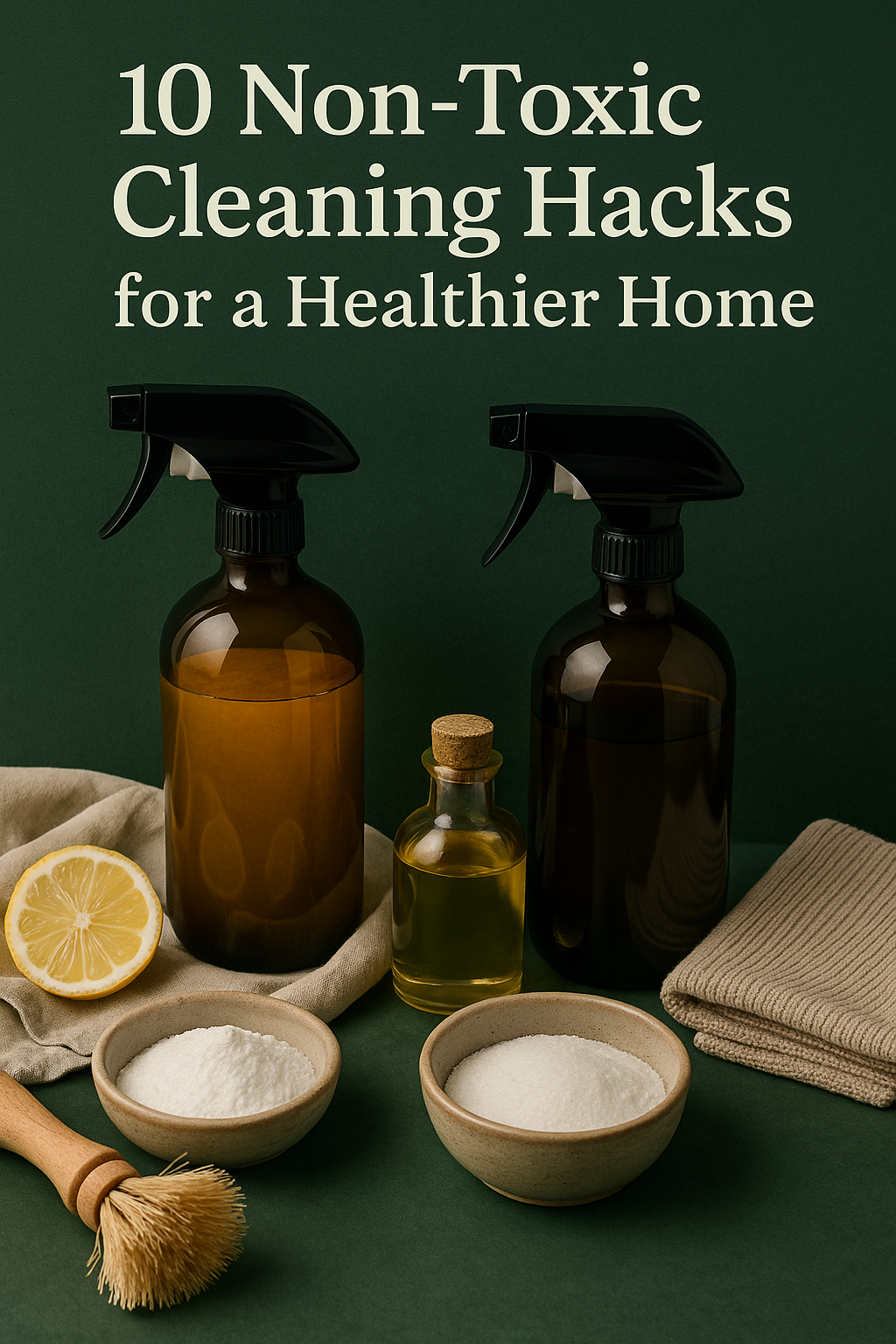
10 Non-Toxic Cleaning Hacks for a Healthier Home
10/9/2025
Switch your home to safe and simple alternatives with these easy DIY cleaning tricks.
Read More →
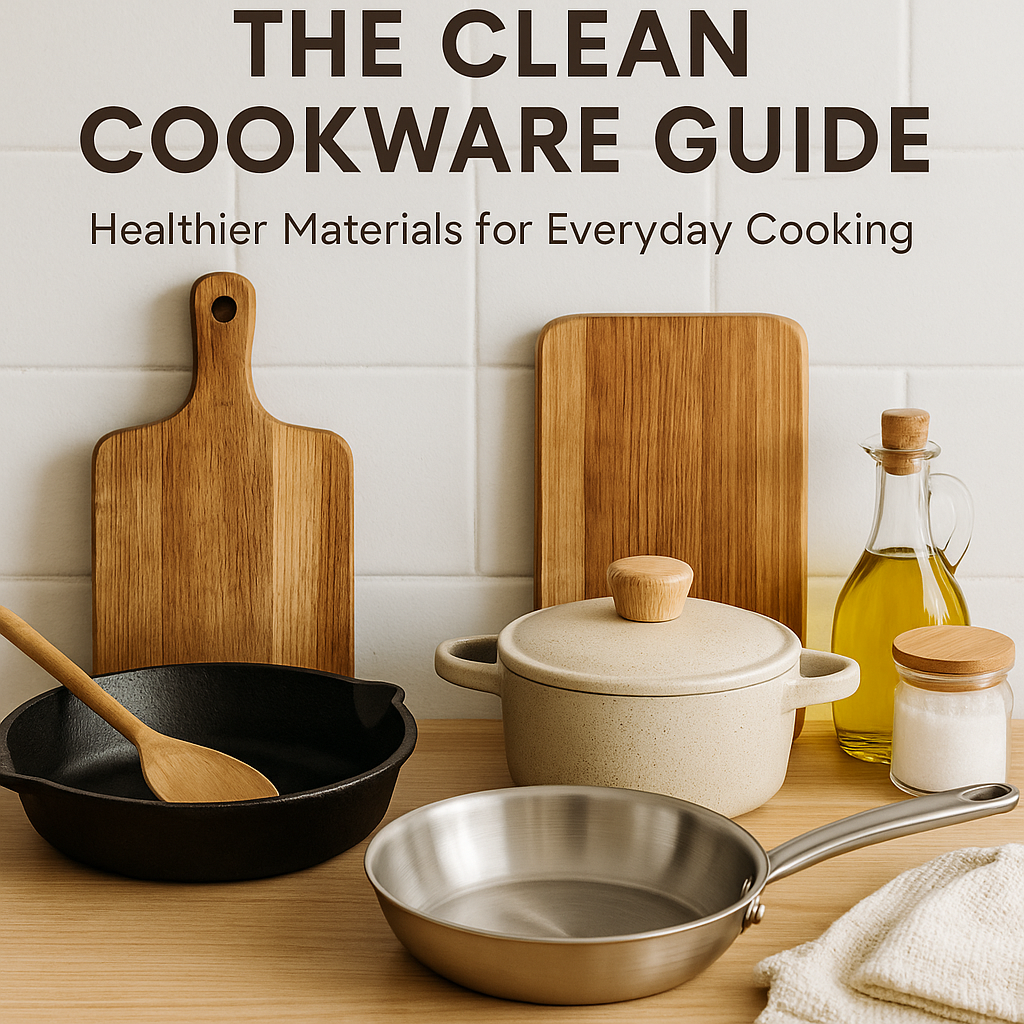
The Clean Cookware Guide: Healthier Materials for Everyday Cooking
10/11/2025
Discover which cookware materials are safest for your health and how to build a toxin-free kitchen.
Read More →
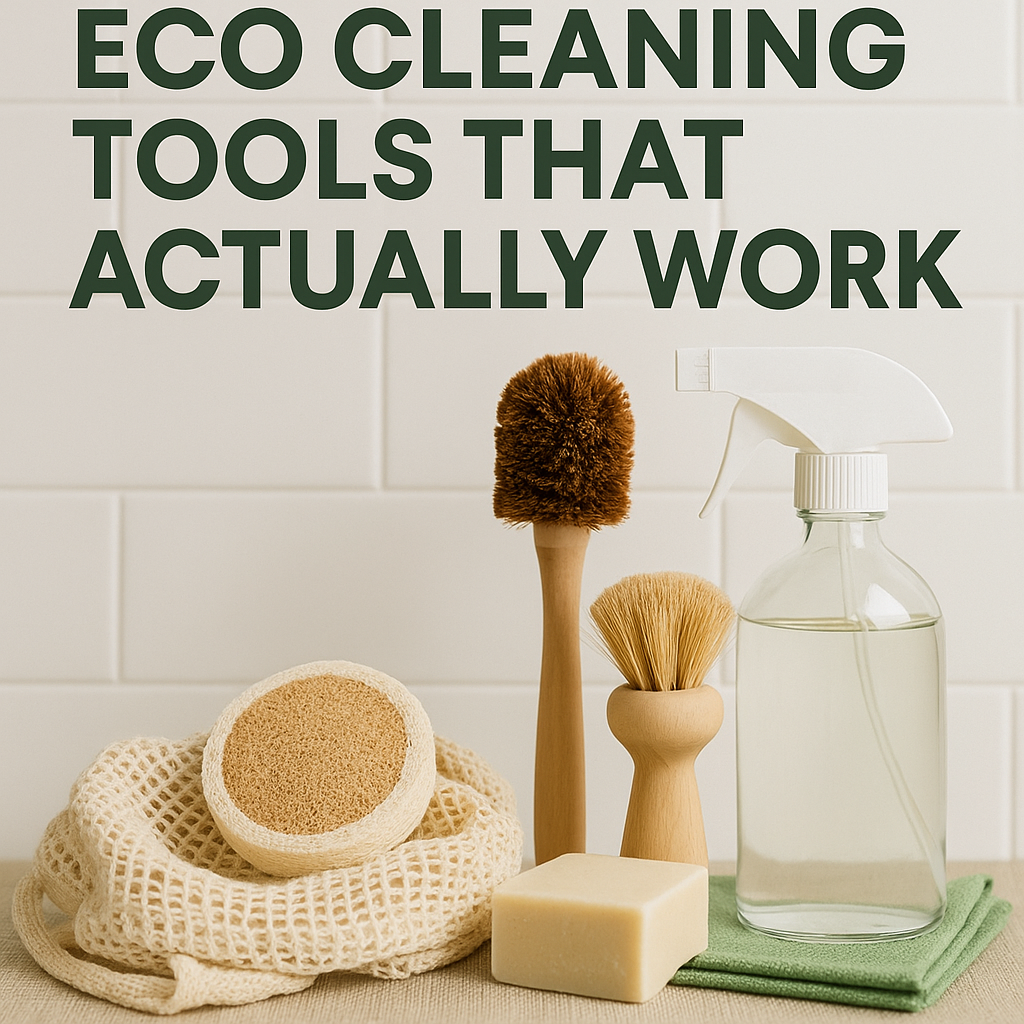
Eco Cleaning Tools That Actually Work
10/13/2025
Swap plastic sponges and wasteful paper towels for durable, sustainable tools that clean better and last longer.
Read More →