Eco-Friendly Home Renovations on a Budget: Cost-Effective Sustainable Upgrades
5/11/2026
⏱ 5-minute read
Introduction to Sustainable Home Renovations
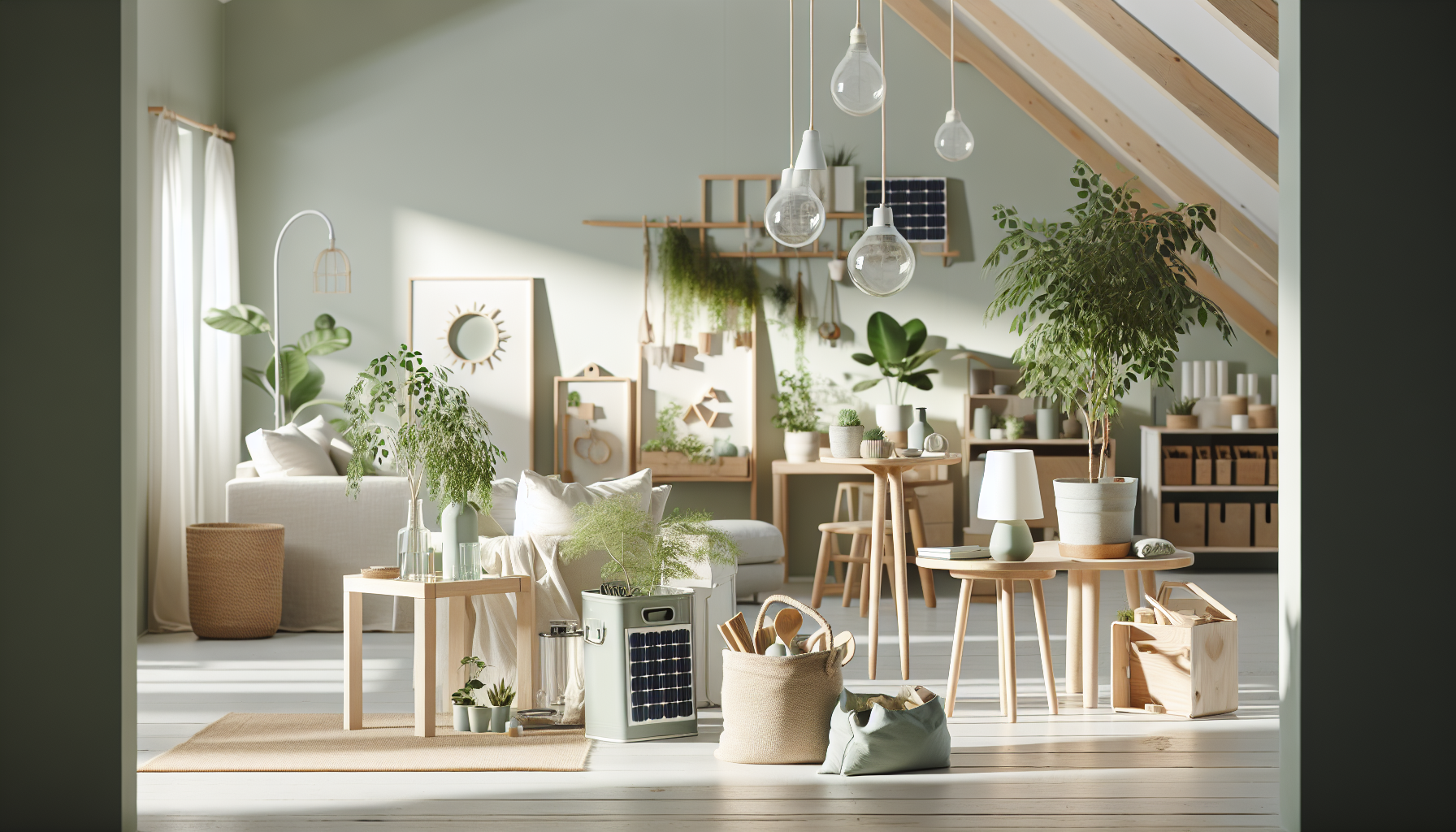
Renovating your home to be more eco-friendly doesn't have to be a costly endeavor. By focusing on significant but affordable upgrades, you can enhance your living space's sustainability without overshooting your budget. This guide will help you make strategic decisions to implement energy-efficient, low-cost eco-upgrades.
Energy Efficiency
Boosting your home's energy efficiency is one of the most impactful and budget-friendly upgrades you can make. Start by switching to LED lighting, which uses up to 75% less energy and lasts longer compared to traditional bulbs. This simple step can significantly reduce your energy consumption.
When selecting LED bulbs, look for options with a high lumens-to-watts ratio, which indicates their efficiency. Consider dimmable LEDs for more versatile lighting controls, allowing for further energy savings.
Another effective upgrade is installing smart thermostats. These devices allow you to control heating and cooling remotely, automatically adjust settings based on your schedule, and even learn your temperature preferences over time.
Quick-start Energy Efficiency Checklist:
- Replace all incandescent bulbs with LED versions.
- Install a programmable or smart thermostat.
- Review and replace older appliances with ENERGY STAR-rated models.
Don't forget to assess your major appliances. Look for ENERGY STAR-rated products, which can save you significant amounts on electricity and water compared to older models. For example, a new energy-efficient refrigerator could save you about $300 over five years.
Improving Insulation and Sealing Air Leaks
Proper insulation is crucial for maintaining a stable indoor temperature. Start by evaluating where your home loses the most heat by performing an energy audit, which can be professionally done or through a DIY home energy assessment. Focus on attic, wall, and floor insulation.
For attic insulation, consider materials like blown-in cellulose, which is made from recycled paper and offers excellent thermal resistance. In walls and floors, eco-friendly options such as cotton batt insulation, made from recycled cotton textiles, are effective and non-toxic.
Common Mistakes:
- Skipping a thorough energy audit before starting.
- Not matching insulation R-value to the specific climate needs.
- Ignoring air leaks in small, hidden areas like electrical outlets.
Don't overlook sealing air leaks, which are often the hidden culprits of poor energy efficiency. Use caulk for stationary components like window and door frames, and weatherstripping for mobile connections, such as windows and door wings. These small investments can help cut your energy costs by up to 20%.
Water Conservation Techniques
Conserving water is both environmentally and financially beneficial. Start by replacing old fixtures with low-flow models. These include low-flow showerheads and faucets, which maintain adequate water pressure while using significantly less water.
When selecting low-flow fixtures, opt for models with the WaterSense label, which ensures the product meets EPA standards for water efficiency and performance.
Water Conservation Checklist:
- Install low-flow showerheads and faucets.
- Replace traditional toilets with dual-flush or low-flow versions.
- Implement rainwater harvesting for garden irrigation.
Additionally, practice xeriscaping, a landscaping method that requires minimal irrigation, using drought-resistant plants suited to your local climate. This not only conserves water but also reduces the need for maintenance.
Choosing Sustainable Materials
Opting for sustainable materials is a crucial part of eco-friendly renovations. Reclaimed wood is an excellent choice for flooring and accents, offering both a rustic look and a sustainably-sourced product. Look for suppliers who certify the origin of their reclaimed materials to ensure authenticity.
For walls and cabinetry, recycled metal and repurposed bricks can provide an industrial aesthetic and high durability. These materials often require less processing than new products, reducing their environmental impact.
Material Selection Tips:
- Source materials locally to reduce transportation emissions.
- Ensure paints and finishes are low-VOC to maintain indoor air quality.
- Choose products with verified eco-certifications.
When painting, always opt for low-VOC or no-VOC paints to minimize the release of volatile organic compounds, which can significantly impact indoor air quality.
Exploring Renewable Energy Options
Adopting renewable energy technologies can seem costly initially, but they offer significant long-term savings. Install solar panels or solar water heaters to harness solar energy. Start by assessing your solar potential through tools like the PVWatts Calculator, which helps estimate the energy production and cost savings of solar energy.
Benefits of Solar Installation:
- Reduces electricity bills substantially over time.
- Increases home value.
- Potential eligibility for federal and state tax incentives.
Ensure professional evaluation and installation to optimize efficiency and compliance with local regulations.
Health and Safety Considerations
Renovations offer a chance to improve your home's health standards. Prioritize good ventilation throughout the project, which not only aids drying times but also maintains indoor air quality.
Consider investing in an efficient air filtration system to trap allergens and impurities, keeping indoor environments healthy. When selecting furniture, opt for those made with non-toxic materials that avoid the use of harmful finishes, adhesives, and flame retardants.
DIY Projects and Phased Approaches
The DIY approach can greatly reduce overall renovation costs. Projects like installing insulation, weatherstripping, or replacing fixtures are manageable with basic tools and online tutorials.
Phasing your renovation over months or even years helps distribute costs and allows for better planning and resource allocation. This also enables taking advantage of sales, rebates, and government incentives as they arise.
DIY and Phasing Tips:
- Start with a comprehensive plan and timeline.
- Begin with projects that offer the best return on investment.
- Utilize online resources and local workshops for DIY skill-building.
Taking Advantage of Incentives and Bulk Purchases
Government incentives can significantly offset the cost of eco-friendly renovations. Be sure to research federal, state, and local programs that offer rebates and tax credits for energy efficiency improvements like solar panels and energy-efficient appliances.
Buying materials in bulk is a strategy to reduce costs. It ensures you have enough resources for future projects and avoids price hikes due to supply shortages or increased demand during peak renovation seasons.
Incentive and Bulk Purchase Tips:
- Monitor government websites for incentive program updates.
- Negotiate with suppliers when purchasing in bulk for discounts.
Remember, every small step counts on your journey to a sustainable home. By implementing these cost-effective upgrades, you're not only contributing to a healthier planet but also creating a more nurturing environment for your household.
As an Amazon Associate, The Clean Code earns from qualifying purchases.
Featured Product

Eco-Friendly Cleaning: Money Saving Solutions for a Clean, Green, All-Natural, Non-Toxic, Eco-Friendly Home (eco-friendly, sustainability, homesteading, ... natural cleaning, green home, non-toxic)
Top-rated eco-friendly product for Eco-Friendly Home Renovations on a Budget: Cost-Effective Sustainable Upgrades. Available on Amazon.
View on Amazon →You May Also Like
10 Non-Toxic Cleaning Hacks for a Healthier Home
10/9/2025
Switch your home to safe and simple alternatives with these easy DIY cleaning tricks.
Read More →

The Clean Cookware Guide: Healthier Materials for Everyday Cooking
10/11/2025
Discover which cookware materials are safest for your health and how to build a toxin-free kitchen.
Read More →
Eco Cleaning Tools That Actually Work
10/13/2025
Swap plastic sponges and wasteful paper towels for durable, sustainable tools that clean better and last longer.
Read More →