How to Ditch Disposable Tableware with Stylish, Sustainable Alternatives
5/11/2026
⏱ 6-minute read
Understanding the Benefits
Transitioning from disposable tableware to sustainable alternatives is a pivotal decision for anyone committed to an eco-friendly lifestyle. Disposable tableware, typically made from plastics and Styrofoam, has long plagued our environment due primarily to its non-biodegradable nature. Making the switch not only reduces landfill waste but positively impacts your carbon footprint. The vast amount of single-use plastics that end up in our oceans and landfills can take centuries to decompose, posing harm to marine life and ecosystems. By choosing reusable or compostable options, you actively contribute to reducing this environmental burden.
Beyond environmental perks, consider the cost-effectiveness of this transition. Though the initial investment in durable tableware might seem higher, it ultimately saves money by eliminating the need for constant repurchasing of disposable goods. Over time, these savings become significant, especially as high-quality sustainable tableware is designed to last for many years with proper care.
Let's not overlook the health considerations. Many plastics can leach harmful chemicals into food, especially when exposed to heat. Opting for alternatives like glass and stainless steel negates this risk, fostering healthier dining practices. Knowing your family is eating from safe materials supports peace of mind and overall wellness.
Choosing Sustainable Alternatives
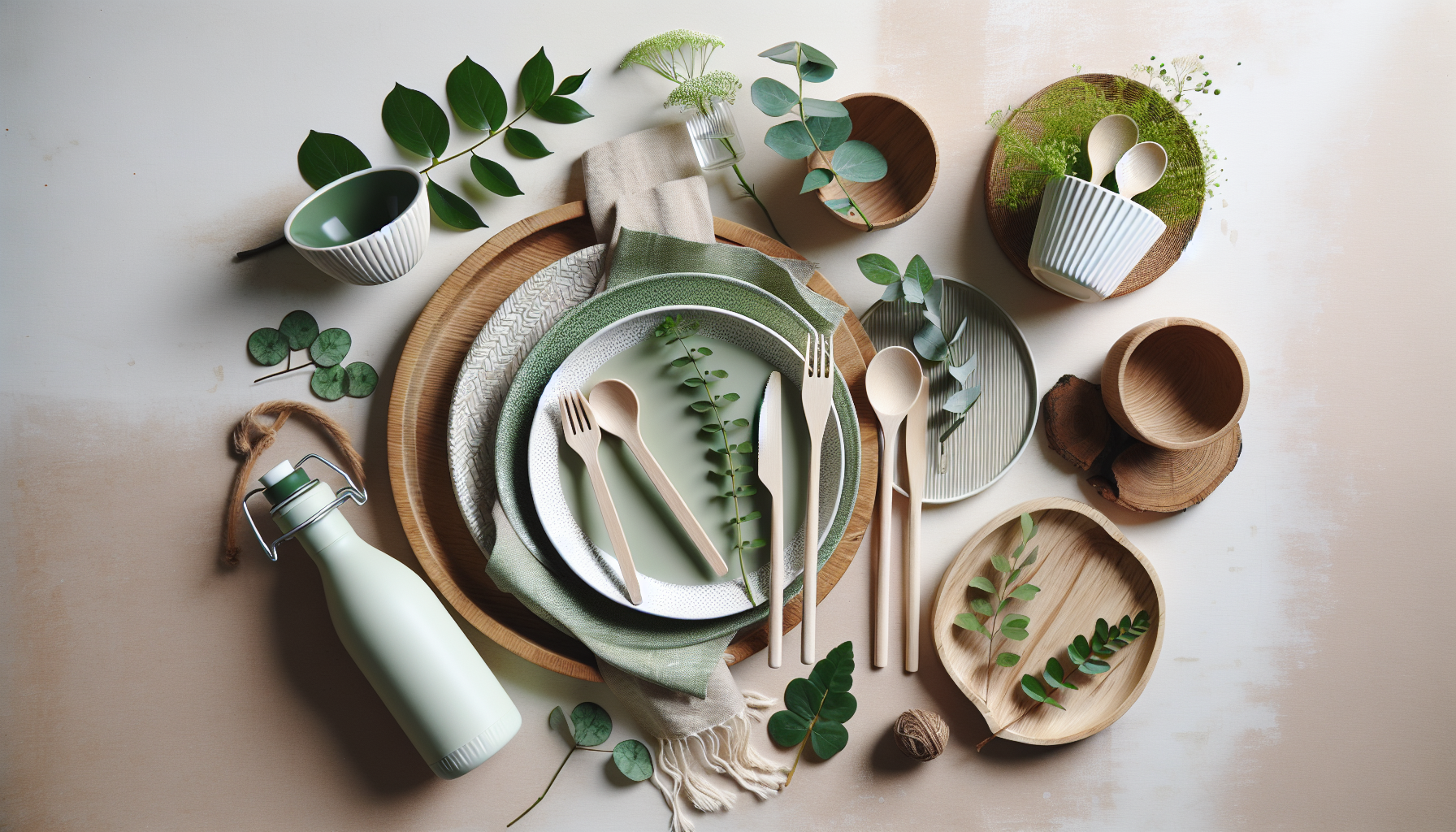
Opting for sustainable tableware is about selecting materials that marry functionality with eco-friendliness. When shopping for these items, consider the following key materials:
- Glass: Known for its durability and ability to be recycled endlessly, glass offers a versatile solution that is both attractive and non-reactive. Look for tempered glass which is more resistant to breakage and suitable for both hot and cold dishes.
- Stainless Steel: Valued for its robustness and impeccable temperature retention, stainless steel is ideal for both hot and cold servings. Choose higher-grade stainless steel like 18/10 for the best results, as it’s less prone to rust and more hygienic.
- Bamboo: With its rapid growth and biodegradability, bamboo appeals to those seeking a unique, lightweight tableware option. Make sure it’s sourced sustainably, certified organic, and treated with food-grade finishes to ensure durability.
- Ceramic: Combining style with durability, ceramic pieces add a touch of elegance suitable for both casual and formal settings. Lead-free glazing is a crucial feature to look out for, ensuring the safety of serving surfaces.
- Biodegradable Options: Perfect for one-time events, options crafted from palm leaves or sugarcane provide eco-friendly disposal. Confirm that any claims of biodegradability are certified by a third party to ensure authenticity.
When purchasing, assess the lifecycle of these items—will they genuinely offer long-term utility? Research brands or certifications that align with sustainable production and ethical labor practices for the most eco-friendly benefit.
Practical Tips for Transition
Starting small can make the transition more manageable and less overwhelming. Consider these steps to ease into sustainable living:
- Begin by replacing items that endure the most frequent use—think cups, plates, and utensils. These are usually the first to wear out and have the most significant impact when swapped for reusable options.
- Explore community sharing ventures, such as local co-ops, to borrow instead of owning multiple sets, enhancing both cost-efficiency and community ties. This can be a fun way to try out different styles before committing to a larger purchase.
- Second-hand shopping is a treasure trove for unique and budget-friendly finds. Thrift stores and online marketplaces like eBay or Facebook Marketplace often have gently used items ready for a new home. This not only reduces waste but also saves on brand-new manufacturing emissions.
- Proper care is key to longevity. Most sustainable utensils are dishwasher-safe, though consulting manufacturer instructions ensures you follow optimal care procedures. Air-drying in a well-ventilated space can prevent mildew in bamboo items, while stainless steel might require occasional polishing to avoid rust.
Gradually phase out your disposable inventory by using existing supplies for low-risk, non-food purposes, such as organizing small items or crafting.
Health and Safety Considerations
Ensuring the health and safety of your household is paramount when transitioning to sustainable tableware. Here are some vital steps:
- Select non-toxic brands that guarantee freedom from BPA, phthalates, and other harmful chemicals. These components, often found in plastics, can impact endocrine and reproductive health when leached into foods.
- Enforce rigorous hygiene practices by regularly sanitizing your tableware, especially after hosting gatherings. Use vinegar or lemon solutions for non-chemical sanitation, suitable for most materials, including bamboo and stainless steel. Avoid abrasive cleaners that can damage protective coatings.
- Check for any recalls or safety advisories on products, ensuring the options you’ve selected haven’t been linked to safety issues.
Cultural and Social Aspects
When hosting, seize the opportunity to educate guests about your eco-friendly choices. Use your gathering as a platform to discuss the environmental impact and health benefits of your sustainable tableware options. Introducing something like a compostable paper plates set can demonstrate an easy transition and provide immediate conversation starters, showcasing innovation in eco-friendly dining.
Consider gifting sustainable tableware to encourage others to embrace environmentally-friendly habits. It's a practical gesture with educational value, perfect for housewarmings or as wedding gifts that promote sustainable living. Personalized bamboo cutlery sets or intricately designed ceramic cups add a thoughtful touch that friends and family will appreciate.
Common Mistakes
Even with the best intentions, common pitfalls can arise when selecting sustainable tableware. Here's what to avoid:
- Assuming durability implies suitability for all purposes. Not all glass or ceramic withstands extreme temperature changes, which could lead to breakage. Always check product specifications.
- Overestimating eco-friendliness claims. Terms like "biodegradable" and "compostable" can be misleading. Ensure items meet recognized standards such as the BPI Certification for compostability.
- Purchasing excessive multiples. Transitioning should reduce consumption, not increase it. Start with essentials and incrementally expand as needed.
FAQ
What if I still need disposables for a large event?
Choose certified compostable options and arrange for proper disposal. Many local waste facilities are now equipped to handle compostable items, but verify beforehand.
How do I dispose of old tableware sustainably?
Donate still-usable items to local shelters or community centers. Damaged goods can often be recycled at specialized facilities.
Embrace the change towards sustainable living, one plate at a time. Every mindful choice creates a ripple effect, paving the path toward a healthier planet for generations to come. Remember, it's not just about what we take off the shelves, but the legacy we leave behind.
As an Amazon Associate, The Clean Code earns from qualifying purchases.
Featured Product

Compostable Paper Plates Set, 250PCS Disposable Heavy-Duty Sugarcane Plate and Eco-Friendly Utensil Biodegradable Dinnerware Plates, Extra Long Forks & Knives & Spoons for Party
Top-rated eco-friendly product for How to Ditch Disposable Tableware with Stylish, Sustainable Alternatives. Available on Amazon.
View on Amazon →You May Also Like
10 Non-Toxic Cleaning Hacks for a Healthier Home
10/9/2025
Switch your home to safe and simple alternatives with these easy DIY cleaning tricks.
Read More →
The Clean Cookware Guide: Healthier Materials for Everyday Cooking
10/11/2025
Discover which cookware materials are safest for your health and how to build a toxin-free kitchen.
Read More →
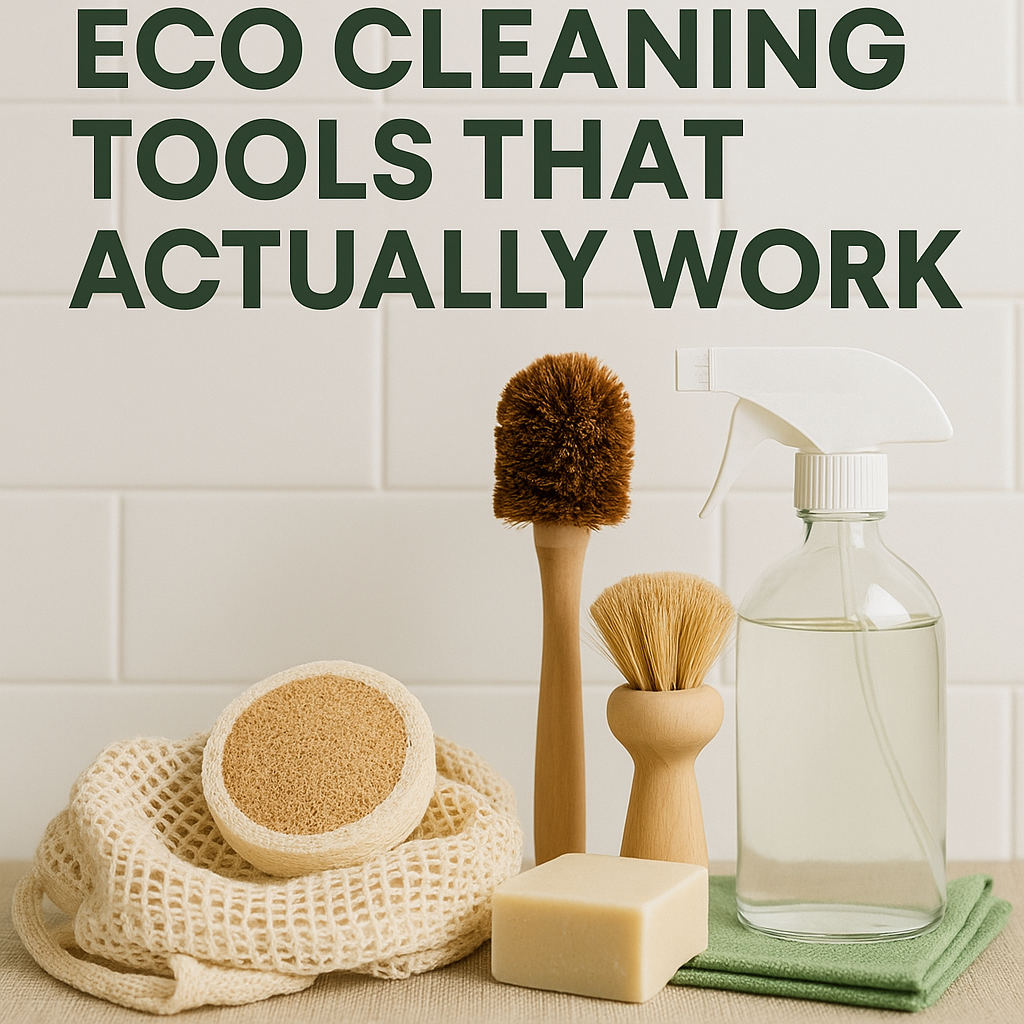
Eco Cleaning Tools That Actually Work
10/13/2025
Swap plastic sponges and wasteful paper towels for durable, sustainable tools that clean better and last longer.
Read More →