
Innovative Ways to Reduce Kitchen Waste with DIY Composting Solutions
5/8/2026
⏱ 6-minute read
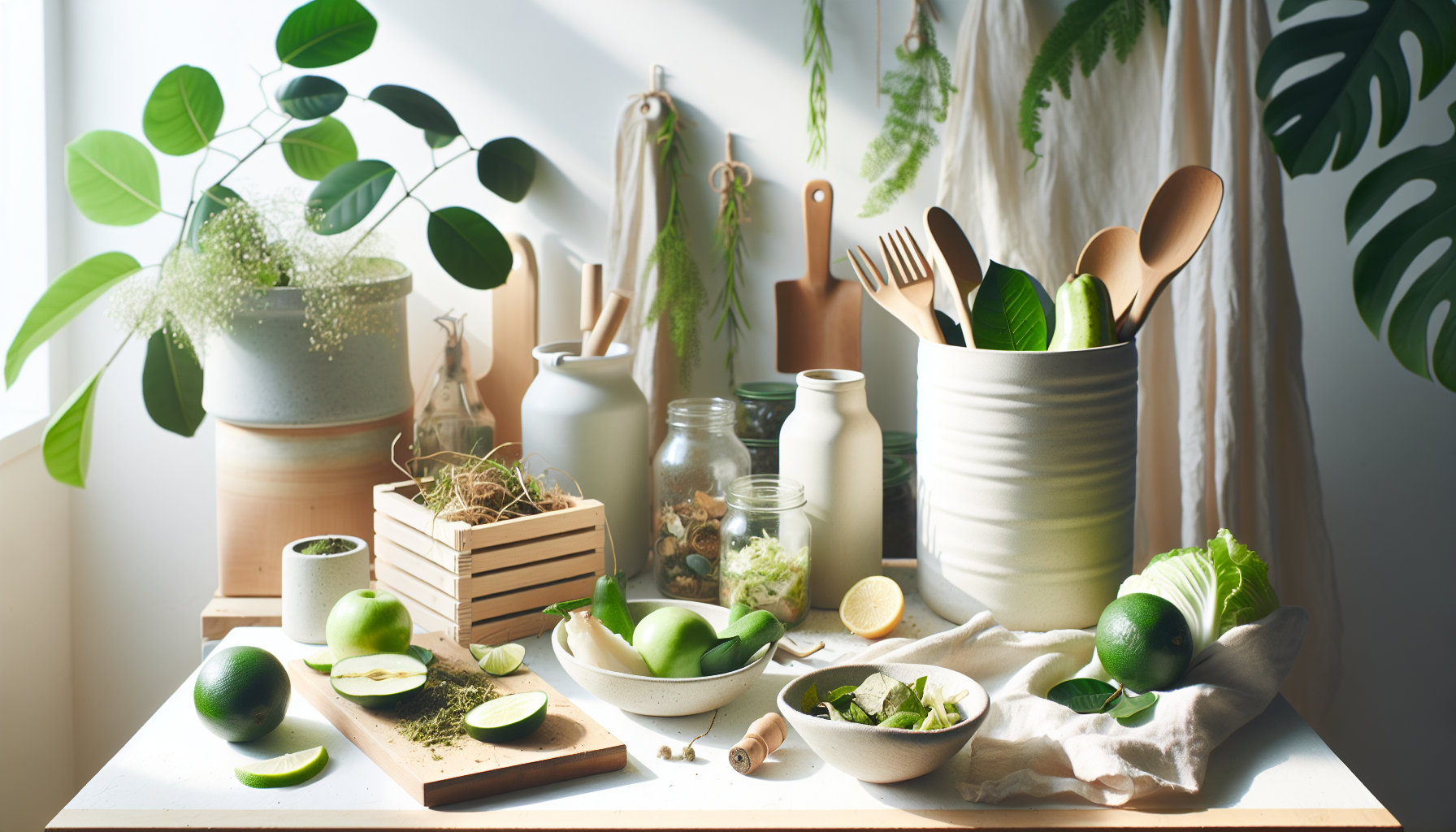
In our quest for a more sustainable lifestyle, reducing kitchen waste stands as a critical effort toward eco-friendly living. A central strategy to achieve this is through composting — the transformation of organic waste into nutrient-rich soil. Here, we examine innovative DIY composting methods, providing practical tips and guidelines that not only minimize waste but also foster environmental health.
Understanding Composting Basics
At its core, composting is a natural process where organic materials decompose to form humus, a nutrient-rich component of soil. Achieving effective composting requires understanding the balance of 'greens' (nitrogen-rich materials such as vegetable scraps and coffee grounds) and 'browns' (carbon sources like dried leaves and cardboard). This balance fuels the decomposition process, resulting in a valuable soil amendment. A typical mix is two-thirds browns to one-third greens by volume. Monitoring this ratio helps ensure a smooth and odor-free decomposition process.
Key conditions also include moisture and aeration. The compost pile should be moist, similar to a wrung-out sponge, and periodically turned to introduce air. This enhances microbial activity, leading to faster decomposition. If you notice your compost pile is not decomposing, it could be too dry or lack sufficient aeration. Regular checks allow for timely adjustments.
DIY Composting Solutions
Vermicomposting
Vermicomposting uses worms, typically red wigglers, to convert kitchen scraps into rich compost. Benefits include a rapid decomposition process and minimal odors, plus the generation of nutrient-dense worm castings. To start, select a ventilated container; an opaque one is ideal to simulate the worms' natural, dark environment. Layer the bottom with a bedding of shredded paper or coconut coir, and moisten it slightly.
Introduce your worms to the bedding before gradually adding kitchen scraps. It's important not to overload the system; begin with small amounts and adjust as the worms acclimate. Keep the setup away from direct sunlight and extreme temperatures — ideally between 59°F and 77°F. This maintains your worms' health and maximizes their efficiency. Remember that overfeeding or excess moisture can lead to foul odors.
Check regularly for the right moisture level: if the contents are too wet, add more dry bedding; if too dry, sprinkle a bit of water. After a few weeks, worm castings will accumulate and can be harvested, taken as a sign of success in your vermicomposting efforts. For best results, wigglers require a constant pH; avoid adding acidic items like citrus peels in large quantities.
Bokashi Composting
Bokashi composting relies on a fermentation process facilitated by Bokashi bran, which hosts beneficial microbes. This method processes a wider range of organic materials, including dairy and meat, and is particularly suitable for compact spaces. The method involves layering food waste with Bokashi bran in an airtight container, pressing down to eliminate any air pockets, which is crucial for preventing mold growth.
Each time food is added, sprinkle Bokashi bran on top and press down. The fermentation process typically takes two weeks, turning scraps into pre-compost. It is vital to drain the liquid by-product regularly; this 'Bokashi tea' can be diluted and used as a nutrient-rich fertilizer for plants. Ensure the container maintains an airtight seal to avoid odors and pest infestations.
Upon completion, the fermented material can be buried directly into the soil or added to a traditional compost pile for further breakdown. Consider this method if pest control is a concern, as the airtight system effectively mitigates this issue.
Indoor Composters with Aeration
For urban dwellers with limited space, indoor composters equipped with mechanical or electric aeration offer a neat solution. These compact units are designed to accelerate decomposition while minimizing odor. When choosing an indoor composter, look for features like adjustable temperature settings and intuitive controls to suit your composting needs.
The general process involves adding waste, initiating the machine as per the manufacturer's instructions, and allowing the composting cycle to run. Regular maintenance, such as emptying the bin and cleaning the unit, is essential to function. Periodic checks on the aeration system ensure it achieves optimal performance.
These units effectively handle a variety of organic materials, but still avoid introducing non-compostable items. Some advanced models even offer digital interfaces, allowing users to monitor progress through their home network or smartphone, lending an extra layer of convenience.
Practical Tips for Successful Composting
- Choose the Right Location: Opt for a spot that is easy to access with sufficient ventilation, especially for outdoor setups. Indoor setups should be placed in an area not subject to extreme temperatures.
- Size Appropriately: Align the compost solution to the volume of kitchen scraps you typically produce. For average households, a container of 5 gallons is an effective start.
- Layer Wisely: Maintain a balanced mix of greens and browns to optimize decomposition and avoid foul odors. In particular, browns help to manage moisture levels and odors.
- Avoid Certain Materials: Steer clear of non-compostables like plastics, metals, oils, and diseased plants. These can introduce contaminants and hazards.
Health and Safety Considerations
To ensure a healthy composting environment, it’s important to adhere to safety guidelines.
- Pathogen Prevention: Hot composting benefits from temperatures of 130°F to 160°F, effectively neutralizing pathogens. Thermometers designed for composting help to monitor this range.
- Pest Control: Protect the compost from pests by using secure containers. Certain pests are attracted to odors from meat and dairy, so utilize systems designed to handle these materials, such as Bokashi.
- Handling Caution: Individuals sensitive to mold should limit direct contact with compost, and wearing gloves when handling compost materials can minimize skin reactions.
Regular monitoring and adopting best practices ensure that your composting setup is both efficient and safe. Understanding and applying these guidelines create a tailor-fit compost solution.
Common Composting Mistakes
Whether new to composting or seasoned, it's easy to encounter common pitfalls that can inhibit progress.
- Overloading the System: Adding too much material at once can overwhelm composting systems, especially when trying to balance browns and greens. Start by adding moderate amounts and gradually increase as the system becomes more efficient.
- Neglecting Aeration: Failing to turn your pile regularly can lead to anaerobic conditions, causing odor problems and slowing decomposition. Even mechanical composters benefit from some manual turning to boost air flow.
- Ignoring Temperature Changes: Outdoor composters are affected by seasonal changes. Insulating bins in winter and providing shade in summer can maintain more consistent conditions, aiding the decomposition process.
- Unsuitable Location: Composters placed in areas without drainage may experience soggy conditions, so select locations with soil drainage or elevate the setup to avoid waterlogging.
Environmental and Personal Benefits
Undertaking DIY composting practices contributes significantly to both environmental and personal wellness.
- Reduce Landfill Waste: Turning kitchen waste into compost decreases landfill contribution and mitigates methane emissions.
- Enhance Soil Health: Compost enriches garden soil, leading to healthier plants and more abundant harvests, improving your food supply chain.
- Maintain Cost-Effectiveness: It reduces the need for commercial fertilizers and soil amendments, offering both ecological and economic advantages.
Embarking on a composting journey not only reduces your environmental footprint but turns kitchen waste into valuable resources. By leveraging these innovative solutions, you’re providing healthier options for your garden and fostering a sustainable future for all. Let’s cultivate a better world, one kitchen scrap at a time.
As an Amazon Associate, The Clean Code earns from qualifying purchases.
Featured Product

EKO Kitchen Compost Bin, 7L / 1.85 Gal Stainless Steel with Removable Inner Bucket and Deodorizer Compartment, 2-in-1 Countertop Compost Bin with Lid, Food Waste Caddy for Kitchen (MMT & Black Finish)
Top-rated eco-friendly product for Innovative Ways to Reduce Kitchen Waste with DIY Composting Solutions. Available on Amazon.
View on Amazon →You May Also Like
10 Non-Toxic Cleaning Hacks for a Healthier Home
10/9/2025
Switch your home to safe and simple alternatives with these easy DIY cleaning tricks.
Read More →
The Clean Cookware Guide: Healthier Materials for Everyday Cooking
10/11/2025
Discover which cookware materials are safest for your health and how to build a toxin-free kitchen.
Read More →
Eco Cleaning Tools That Actually Work
10/13/2025
Swap plastic sponges and wasteful paper towels for durable, sustainable tools that clean better and last longer.
Read More →