How to Make Your Own Natural Fabric Softeners at Home
5/11/2026
⏱ 7-minute read
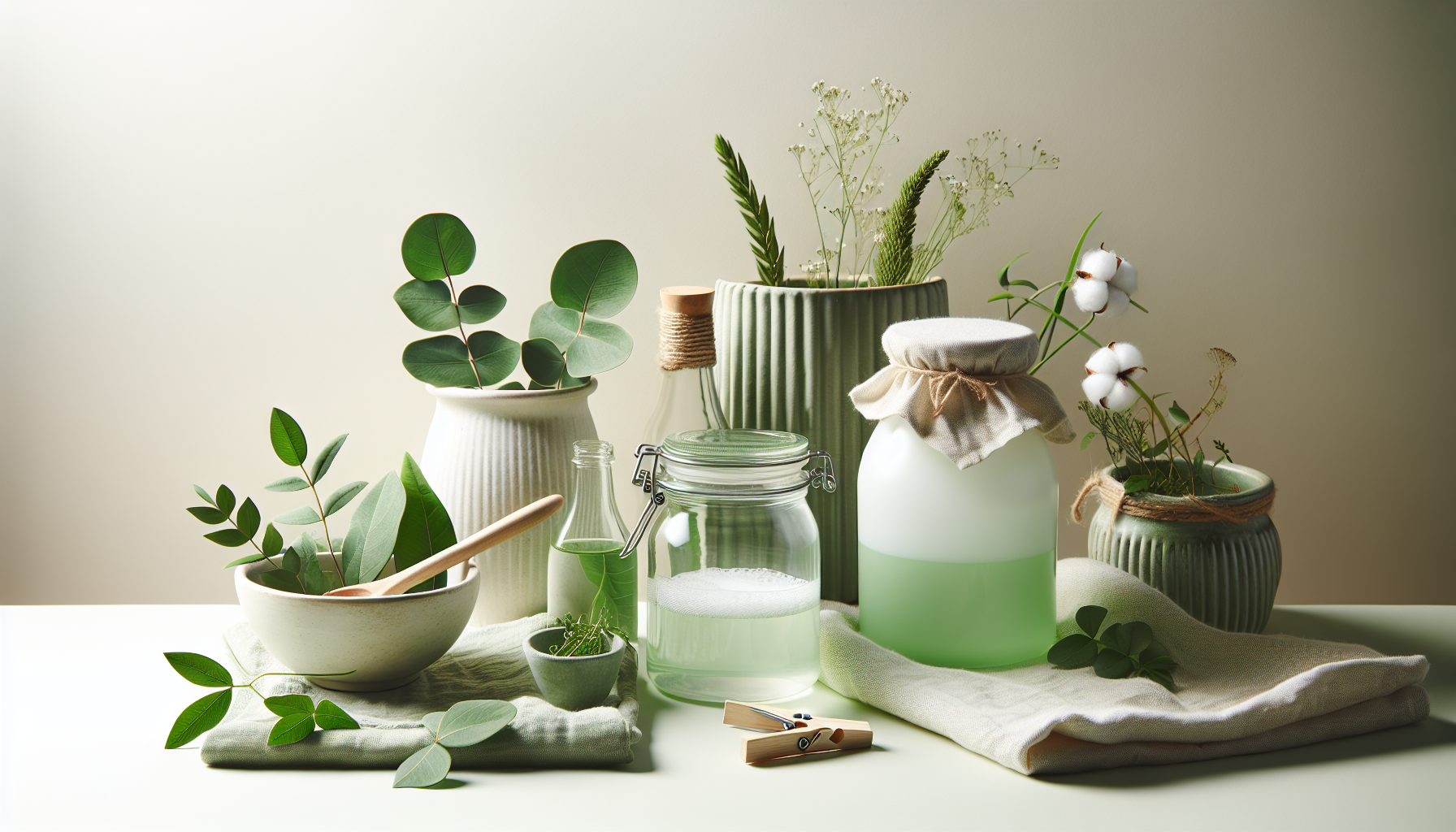
Many commercial fabric softeners contain synthetic chemicals and artificial fragrances that not only affect the environment but can also irritate sensitive skin. Making your own natural fabric softeners at home is a straightforward, eco-friendly, and cost-effective alternative.
Why Choose Natural Fabric Softeners?
Switching to DIY fabric softeners provides multiple benefits. They minimize your exposure to potentially harmful synthetic substances, reduce plastic waste, and offer the flexibility to tailor scents and ingredients based on personal preferences. Additionally, they're often made from ingredients you likely already have, making them simple to integrate into your laundry routine.
Commercial softeners often rely on petroleum-based liquids and fragrances that can leave residue on clothes and in machines, potentially damaging them over time. DIY alternatives, however, utilize natural components, ensuring that fabrics maintain their quality while remaining safe for your health and the planet.
When choosing natural fabric softeners, the focus lies on ingredients. High-quality ingredients extend beyond those typically used in your household. For instance, organic white vinegar provides a purer alternative with minimal impurities, and it’s entirely biodegradable. The same level of care should apply to essential oils; sourcing from reputable providers ensures you are utilizing oils that are both pure and potent, giving you the desired aroma without unwanted chemicals.
Basic Ingredients
- Vinegar: White vinegar is a must-have in natural cleaning for its ability to soften clothes, reduce static, and neutralize odors. It's safe for use in any washing machine, including High-Efficiency models. Look for the highest quality white vinegar you can find, as it's less likely to contain contaminants that could affect performance.
- Baking Soda: Acts as a deodorizer and fabric softener, enhancing detergent efficacy. Note: Avoid using with vinegar simultaneously in the wash to prevent neutralization. Opt for a fresh box of baking soda, as it loses potency over time.
- Essential Oils: Provide natural scents. Lavender, lemon, or tea tree oil work well; however, ensure they are safe for contact with skin. High-quality, pure essential oils are crucial for the best results, and you should always patch-test new blends for skin sensitivity.
- Epsom Salt or Sea Salt: Used with baking soda and essential oils, these salts soften fabrics and may help preserve colors. Only use non-iodized salts to prevent any unwanted fabric discoloration or residue.
When sourcing these ingredients, consider buying in bulk from eco-friendly retailers, which reduces packaging waste and can also be more cost-effective.
Simple Recipes for Natural Fabric Softeners
Vinegar Fabric Softener
Combine 1 cup of white vinegar with 10-20 drops of your preferred essential oil in a glass bottle. During the rinse cycle, add 1/4 to 1/2 cup to your load. This method is particularly well-suited for softening laundry without leaving any scent, if you choose to skip the essential oils, or to impart a mild, pleasant aroma when oils are included.
- Step-by-Step: Pour the vinegar and essential oil mixture into a container. Store in a cool, dark place. Shake well before each use to ensure the oils are thoroughly mixed with the vinegar. Use a funnel for precision pouring, which prevents spills and wastage.
When using this mix, be mindful of hard water, as it may require adjustments in vinegar quantity to achieve the desired softness.
Baking Soda and Vinegar Combo
Add 1/2 cup of baking soda during the wash cycle, followed by 1/2 cup of vinegar in the rinse cycle, for maximum softening and odor-fighting. This powerful combination harnesses the strengths of both ingredients to tackle difficult odors and built-up detergent residue.
- Step-by-Step: At the start of the wash cycle, sprinkle baking soda directly into the drum with your clothes. During the rinse cycle, add the vinegar solution. Avoid mixing directly to prevent neutralization. This method is ideal for heavy laundry loads particularly prone to odors.
Salt-based Softener
Mix 2 cups of Epsom salt with 1/2 cup of baking soda and 20-30 drops of essential oil. Use 2-3 tablespoons for each load. This mixture is stored well and ideal for those who prefer a fabric softener that enhances cloth texture and color maintenance.
- Step-by-Step: In a mixing bowl, thoroughly combine Epsom salt and baking soda. Drop in essential oils, stirring constantly. Store in an airtight container and use sparingly with each wash. Reduce essential oil quantity for more delicate fabrics to prevent potential staining from heavier oils.
Health and Safety Tips
- Skin Sensitivity: Always test new essential oils on a small fabric swatch to prevent potential allergic reactions. This is crucial if you or anyone in your household has sensitive skin.
- Appliance Care: Ensure solutions are well-diluted to avoid buildup in machines. Regular checks can prevent wear over time. Monitor for any signs of damage or changes in machine function as a precaution.
- Storage: Keep homemade softeners in air-tight containers in a cool, dry place to maintain efficacy, especially those with essential oils, as they can degrade from exposure to light and air.
Be aware of any changes in your washing machine’s performance, as ongoing clogs or residue build-ups can be a tell-tale sign that an adjustment in your softener's formula is necessary.
Common Mistakes
- Overuse of Ingredients: Too much of any ingredient can leave residues or reduce the effectiveness of your wash. Follow recommended amounts and adjust based on your machine type and load size.
- Mismatched Ingredients: Pair ingredients correctly. Keep baking soda and vinegar separate within the wash cycle phase to prevent neutralization.
- Ignoring Essential Oil Safety: Not all essential oils are suitable for all fabrics. Some potent oils can stain or affect fabric integrity, so patch-test and use sparingly.
- Improper Storage: Failing to store ingredients or completed solutions in appropriate conditions can lead to reduced efficacy. Make the extra effort to use quality containers, ideally glass, to maintain freshness.
FAQ
What fabrics are suitable for natural softeners?
Most fabrics tolerate natural softeners well, including cotton, linen, and synthetic blends. Delicate fabrics like wool and silk require cautious amounts and should be tested first, as they can absorb oils differently, requiring a more diluted solution.
Can I adjust the scent strength of my fabric softeners?
Yes, you can customize the scent by altering the quantity of essential oils in your recipes. Start small and adjust as necessary to avoid overpowering scents that might transfer onto clothing. Take note that some essential oils, like peppermint, have a more intense fragrance and require less to achieve the desired result.
Do natural fabric softeners work well in all washing machines?
They are compatible with both standard and HE machines. However, it’s essential to monitor your machine for any potential residue buildup and clean it regularly to ensure long-term efficacy.
Opting for homemade softeners reduces dependence on plastic packaging and synthetic chemicals, making them kinder to our planet. Ingredients such as vinegar and essential oils are biodegradable, contributing positively to the environment. By investing in reusable glass containers for storage, you further minimize your environmental footprint.
Practical Tips
- Play with essential oil combinations to discover your favorite scent, considering the therapeutic effects of each oil, such as lavender for relaxation or lemon for a refreshing aroma. Note that oils such as chamomile may cost more due to their production methods but often bring unique soothing properties.
- Shake the container before each use to ensure thorough mixing of ingredients, especially if the softeners contain oils which can separate over time. Using a transparent container can help you see when it’s time for a shake.
For more ideas on homemade products, the The Big Book of Homemade Products for Your Skin, Health and Home is an invaluable resource, filled with eco-friendly solutions.
Creating your own fabric softeners not only benefits your laundry routines but also serves as a step towards a more sustainable lifestyle, one load at a time.
As an Amazon Associate, The Clean Code earns from qualifying purchases.
Featured Product

The Big Book of Homemade Products for Your Skin, Health and Home: Easy, All-Natural DIY Projects Using Herbs, Flowers and Other Plants
Top-rated eco-friendly product for How to Make Your Own Natural Fabric Softeners at Home. Available on Amazon.
View on Amazon →You May Also Like
10 Non-Toxic Cleaning Hacks for a Healthier Home
10/9/2025
Switch your home to safe and simple alternatives with these easy DIY cleaning tricks.
Read More →
The Clean Cookware Guide: Healthier Materials for Everyday Cooking
10/11/2025
Discover which cookware materials are safest for your health and how to build a toxin-free kitchen.
Read More →
Eco Cleaning Tools That Actually Work
10/13/2025
Swap plastic sponges and wasteful paper towels for durable, sustainable tools that clean better and last longer.
Read More →