Eco-Friendly Aquarium Setup: Non-Toxic Materials for Healthy Fishkeeping
9/28/2026
⏱ 3-minute read
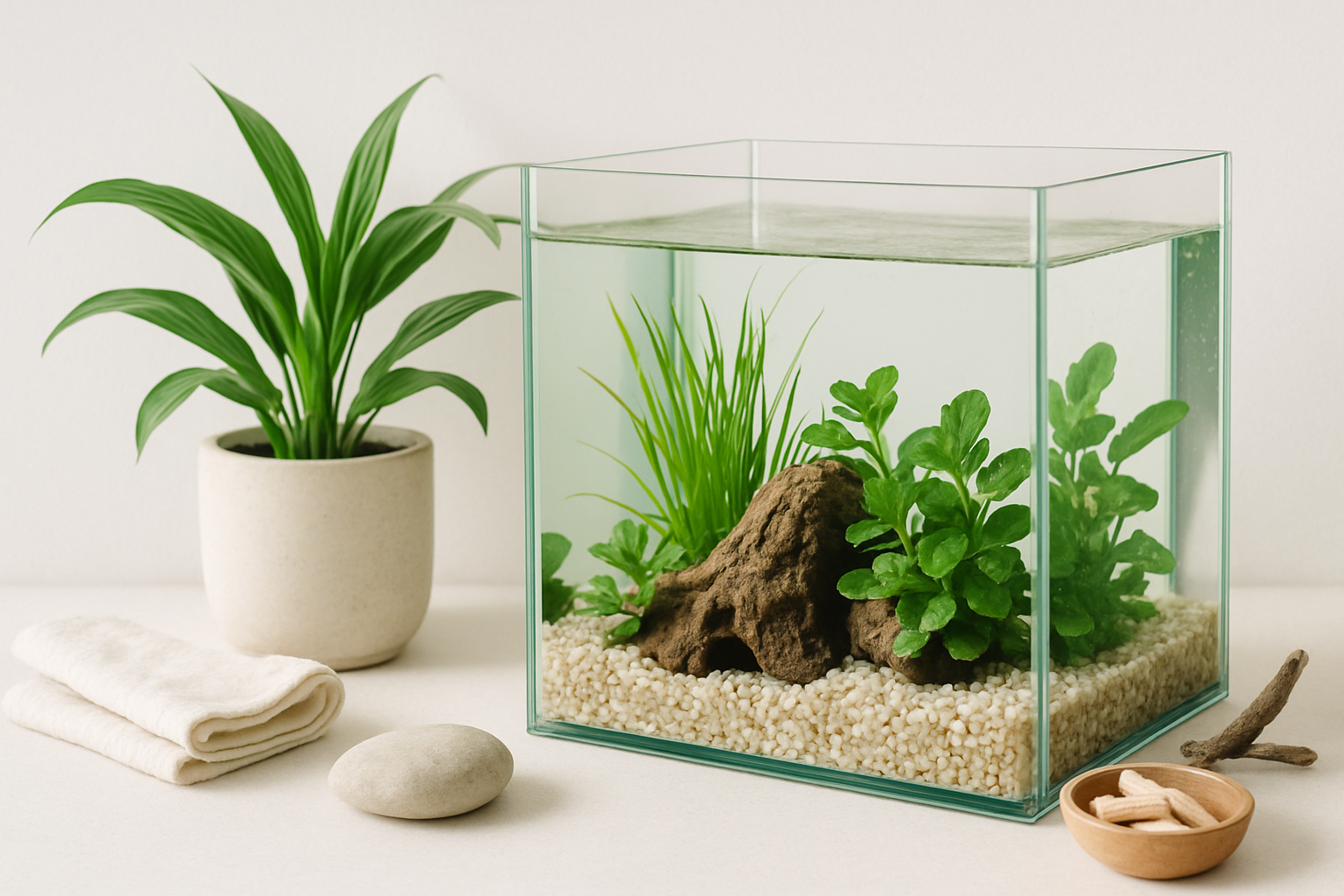
Creating an eco-friendly aquarium setup involves careful selection of materials and practices that benefit both your aquatic environment and the planet. From choosing the right tank materials to maintaining ecological balance through natural methods, this guide will help you build a sustainable aqua habitat.
Non-Toxic Materials
Choosing the right materials is crucial for a toxin-free aquarium. When selecting your aquarium tank, opt for glass over acrylic. Glass is not only more durable and easier to recycle, but it is also less prone to scratches, ensuring a longer-lasting, clearer view of your aquatic life.
The importance of non-toxic sealants cannot be overstated. Always use aquarium-safe silicone to ensure a leak-proof seal that is harmless to fish. When it comes to substrates, natural sand and gravel should be your go-to options. Avoid those that are dyed or chemically treated as they can leach harmful substances into the water.
Consider bentonite clay substrates for added mineral benefits without chemical risks. For decorations, use natural rocks and driftwood, ensuring they are untreated and locally sourced. Boiling or soaking them beforehand can help eliminate any unwanted organisms.
Adding live plants not only enhances your aquarium's aesthetic but also boosts water quality by producing oxygen. Choose species that thrive without chemical fertilizers to maintain the natural balance.
Filtration and Maintenance
An efficient filtration system is key for an eco-friendly aquarium. Sponge filters are ideal, using less energy and requiring little maintenance. Moreover, incorporating various aquatic plants can help naturally filter harmful toxins like nitrates and ammonia.
Regular water changes are essential to ensure a clean aquatic environment. Stick to a sustainable schedule, changing 10-15% of the water weekly. Use dechlorinated water or natural conditioners rather than chemical-heavy options.
Energy Efficiency
Lighting and heating significantly impact your aquarium's energy consumption. Invest in LED lighting, which is energy-efficient and supports plant growth through the right light spectrum. Similarly, use smart heaters that offer precise control without excessive energy usage.
Food and Feeding
Feeding your fish sustainably also contributes to an eco-friendly setup. Purchase fish food from sources committed to maintaining marine biodiversity and packaged in biodegradable materials. Avoid overfeeding to prevent waste accumulation and water quality decline.
Fish and Biodiversity
Responsible species selection enhances your tank's ecosystem. Choose hardy and locally bred species to prevent the negative impact of wild capture on ecosystems. Keeping species with compatible biotypes will foster a balanced underwater environment.
Implement quarantine procedures for new fish and plants to prevent disease and protect existing inhabitants. Use non-toxic testing kits to regularly monitor water pH and chemical levels for a safe habitat.
Ethical Considerations
Supporting brands committed to sustainable practices ensures that your eco-friendly aquarium impacts both local and global ecosystems positively. Engage in practices like tank breeding and creating habitats for endangered species. Your choices can contribute to preserving biodiversity and ecosystem health.
By carefully selecting materials and mindful practices, you contribute to both the health of your aquatic friends and the well-being of our planet. A sustainable aquarium is a beautiful testament to eco-friendly living.
As an Amazon Associate, The Clean Code earns from qualifying purchases.
Featured Product

Aqua Natural Substrate, Sugar White Sand, 10lb
Top-rated eco-friendly product for Eco-Friendly Aquarium Setup: Non-Toxic Materials for Healthy Fishkeeping. Available on Amazon.
View on Amazon →You May Also Like
10 Non-Toxic Cleaning Hacks for a Healthier Home
10/9/2025
Switch your home to safe and simple alternatives with these easy DIY cleaning tricks.
Read More →

The Clean Cookware Guide: Healthier Materials for Everyday Cooking
10/11/2025
Discover which cookware materials are safest for your health and how to build a toxin-free kitchen.
Read More →
Eco Cleaning Tools That Actually Work
10/13/2025
Swap plastic sponges and wasteful paper towels for durable, sustainable tools that clean better and last longer.
Read More →