Eco-Friendly Fireplaces: Sustainable Heating Options for Your Home
5/3/2026
⏱ 3-minute read
Introduction to Eco-Friendly Fireplaces
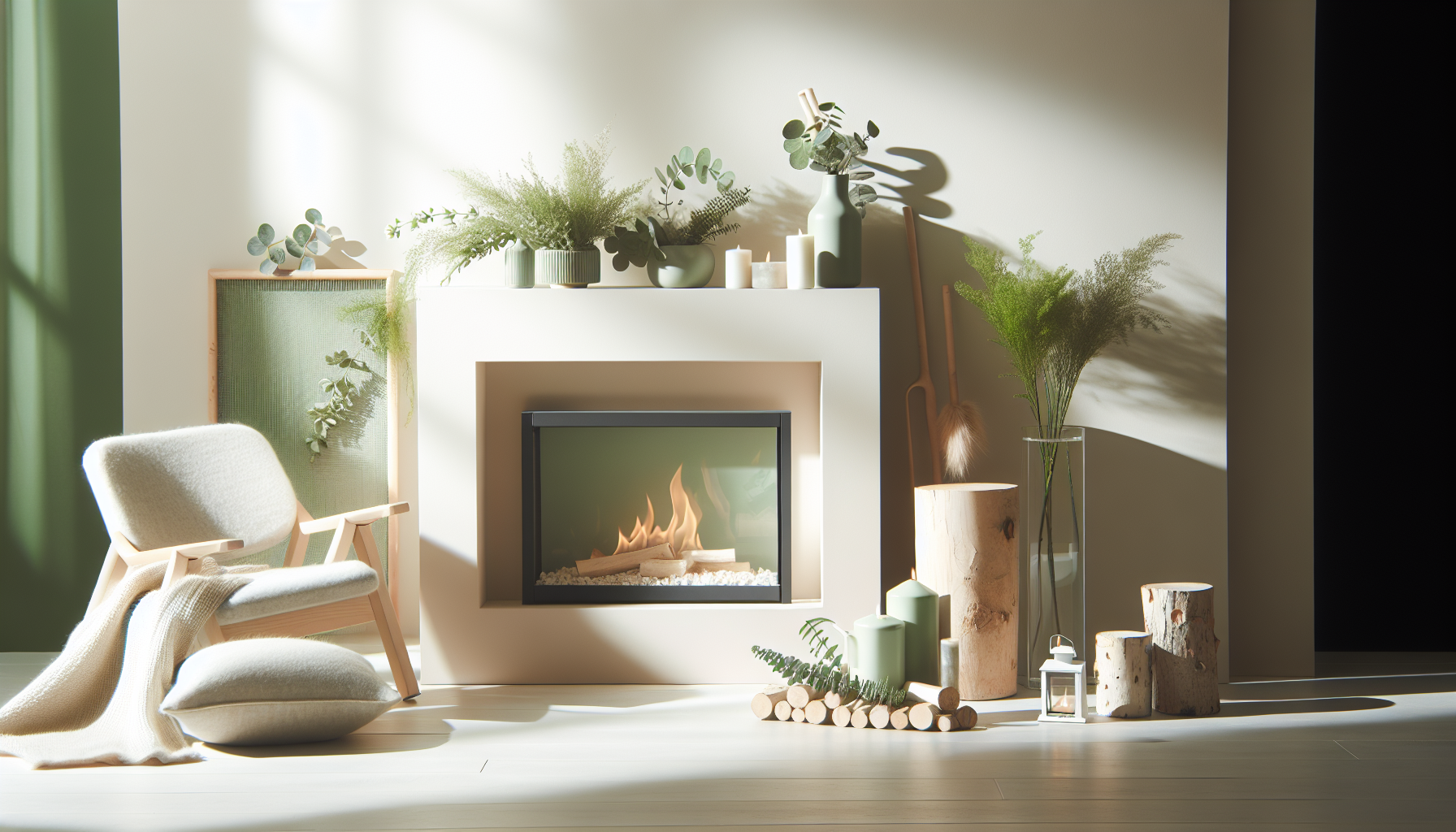
Eco-friendly fireplaces offer a sustainable alternative to traditional heating methods, combining aesthetic appeal with reduced environmental impact. This guide explores several types of eco-friendly fireplaces, helping you choose the best option for your home while promoting green living.
Ethanol Fireplaces
Pros: Ethanol fireplaces are fueled by bioethanol, a renewable resource that releases minimal emissions, resulting in no smoke and cleaner indoor air. They're perfect for Pine Mountain 4-Hour Firelogs users looking for eco-friendly alternatives to traditional logs.
Cons: Despite their clean burning properties, they offer limited heat output, making them ideal for aesthetic purposes rather than primary heating sources.
Electric Fireplaces
Pros: Electric fireplaces efficiently convert electricity into heat, with no emissions at the point of use. They can be eco-friendly, particularly when powered by renewable energy sources.
Cons: Their reliance on electricity can be a drawback during outages unless supported by solar or alternative energy systems.
Pellet Stoves
Pros: Pellet stoves burn compressed wood or biomass pellets, offering a cleaner burn with less smoke and ash. Automated feed systems enhance their efficiency, making them a strong contender for sustainable heating.
Cons: Dependence on electricity for operation and the need to source pellets can be limitations in certain areas.
High-Efficiency Wood Stoves
Pros: Modern high-efficiency wood stoves are designed for complete combustion, producing fewer emissions. Look for models certified by the EPA to ensure quality and environmental friendliness.
Cons: They still emit some levels of pollutants and require sustainable wood sources and regular maintenance to operate at top efficiency.
Health and Safety Considerations
Ventilation: Proper ventilation is critical to maintaining indoor air quality, especially when using wood or pellet stoves, which could emit particulates.
Installation: Always seek professional installation to ensure both safety and optimal performance.
Regular Maintenance: Regular cleaning prevents dangerous buildups of creosote or other blockages, which ensures the fireplace runs efficiently and safely.
Practical Tips for Sustainable Use
Insulation: Improve your home's insulation to enhance the efficiency of your fireplace.
Sustainable Fuel Sources: Opt for sustainably harvested wood and certified pellets to diminish environmental impact.
Programmable Thermostats: Use these with electric fireplaces to optimize heating and reduce unnecessary energy use.
Carbon Monoxide Alarms: These are essential, especially with combustion-based fireplaces, to protect against CO poisoning.
Financial and Environmental Benefits
Eco-friendly fireplaces can significantly reduce heating costs and environmental impact. While the initial investment might be high, the reduction in long-term utility costs and carbon footprint can be substantial, particularly when pairing electric options with renewable energy.
As an Amazon Associate, The Clean Code earns from qualifying purchases.
Featured Product

Pine Mountain 4-Hour Firelogs
Pine Mountain 4-Hour Firelogs are an eco-friendly alternative to traditional wood logs, made from recycled materials, producing 80% less carbon monoxide and significantly less creosote. They're perfect for a sustainable, clean-burning fire that provides warmth without compromising on ecological responsibility.
View on Amazon →You May Also Like
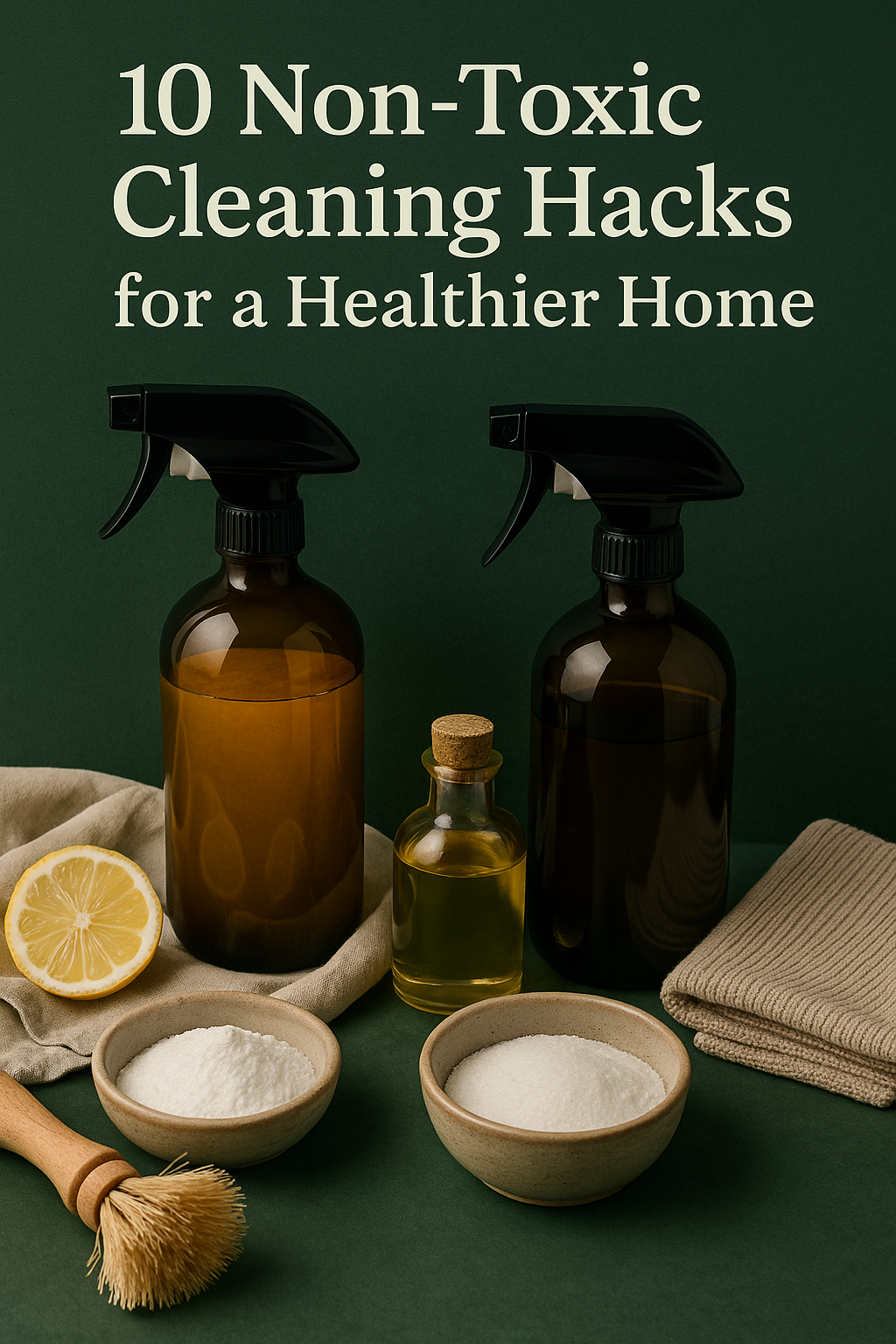
10 Non-Toxic Cleaning Hacks for a Healthier Home
10/9/2025
Switch your home to safe and simple alternatives with these easy DIY cleaning tricks.
Read More →

The Clean Cookware Guide: Healthier Materials for Everyday Cooking
10/11/2025
Discover which cookware materials are safest for your health and how to build a toxin-free kitchen.
Read More →
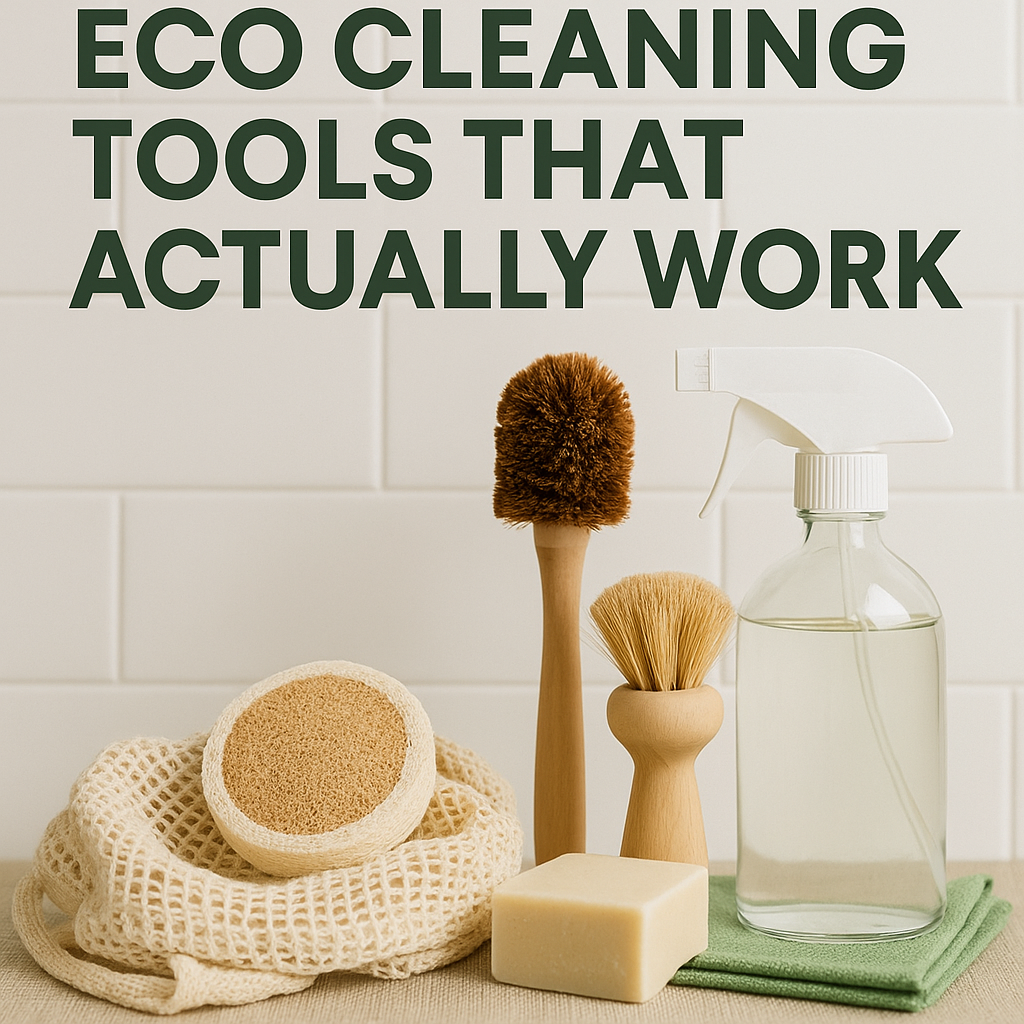
Eco Cleaning Tools That Actually Work
10/13/2025
Swap plastic sponges and wasteful paper towels for durable, sustainable tools that clean better and last longer.
Read More →