
Eco-Friendly Ground Covers: Sustainable Landscaping Ideas
5/25/2026
⏱ 5-minute read

In the quest for sustainable and eco-friendly landscaping, ground covers have emerged as an excellent alternative to traditional lawns. These plants not only provide a lush and attractive landscape but also offer a myriad of environmental benefits.
Advantages of Using Eco-Friendly Ground Covers
One of the most compelling reasons to switch to eco-friendly ground covers is water conservation. Unlike conventional grass lawns that require frequent watering, ground covers often thrive with much less water. This becomes especially crucial in drought-prone areas where conserving water is not just beneficial but necessary. Opting for these resilient plants helps in significantly reducing your water bills and minimizes water waste, offering an environmentally sound choice in landscaping.
Another significant benefit is biodiversity. Ground covers create habitats for various types of pollinators, including bees, butterflies, and other beneficial insects. By fostering these ecosystems, you're not just beautifying your space but also contributing to the health of local flora and fauna. The increase in biodiversity also supports predator species that can naturally control pests, reducing the need for chemical pesticides.
Furthermore, these covers improve soil health by preventing erosion and adding organic matter as they decompose. Ground covers like clover, which fix nitrogen in the soil, naturally enrich it further. This means less chemical fertilizer use and healthier plant growth overall. The dense foliage of ground covers also helps retain soil moisture, preventing the topsoil from drying out, cracking, or being blown away by the wind.
Types of Eco-Friendly Ground Covers
- Clover (Trifolium spp.): Known for its capability to fix nitrogen, clover is a self-sustaining option requiring minimal mowing. It thrives in a variety of soil types and can tolerate moderate foot traffic, making it ideal for play areas and pathways.
- Creeping Thyme (Thymus serpyllum): Its drought resistance and ability to attract pollinators make it a fragrant and visually pleasing choice. It prefers sunny locations and will release a pleasant aroma when stepped on, perfect for aromatic gardens.
- Sedum (Sedum spp.): Suitable for sunny locations with poor soil, this succulent is extremely drought-tolerant. Sedum varieties offer a range of colors and textures, adding visual interest to rock gardens and dry, gravelly areas.
- Native Grasses: Choosing local grass species helps maintain natural ecosystems and reduces upkeep. Look for bunch grasses or low-growing varieties to create flowing, low-maintenance landscapes that blend seamlessly with the surrounding environment.
- Ground Ferns: Perfect for shaded environments, ferns offer lush greenery with little maintenance. They thrive in moist, shady corners and require significantly less water than a traditional lawn.
Implementing Eco-Friendly Ground Covers
The first step in implementing eco-friendly ground covers is to assess the site. Understanding the amount of sunlight, shade, and soil type is essential for selecting the right plants. Observe your landscape throughout the day to determine where sunlight hits the longest and where shade persists. This assessment will guide you in matching the proper plant with the suitable microenvironment in your yard.
It's advisable to select native species wherever possible. Native plants are naturally adapted to the local climate and soil conditions, meaning they typically require less care and resources. When buying these plants, inquire about their growth habits, water requirements, and compatibility with your existing landscape. This knowledge helps avoid planting species that might become invasive or struggle to thrive.
Proper soil preparation is crucial. Conduct a soil test to check pH and texture, and amend the soil as needed with organic matter. Use compost or well-composted manure to improve soil structure, adding nutrients and increasing the ground's capacity to retain water. Rake or till the soil lightly to remove any weeds or debris that may compete with your ground covers for nutrients.
Once the ground is prepared, arrange and lay the ground cover plants according to their spacing needs. Pay attention to their growth habits to prevent overcrowding, allowing each plant to reach its full potential.
Health and Safety Considerations
When selecting ground covers, consider allergen-free options if pollen allergies are a concern. Species like clover are often hypoallergenic and safe for families with allergies. For a household with allergy sufferers, choosing plants with low pollen production can make outdoor spaces more enjoyable during peak allergy seasons.
It is also essential to choose non-toxic plants, especially if your yard is accessible to pets or children. Some plants can be harmful if ingested, so proper research is advised. Always verify with horticultural references or local experts to ensure the safety of the selected ground covers.
Common Mistakes to Avoid
Avoid planting inappropriate species for your climate or soil type, as this will lead to poor growth and increased maintenance. Researching plant needs and consulting local garden centers can prevent such mismatches.
Another common mistake is neglecting proper spacing during planting. Overcrowding can lead to poor air circulation, increased disease pressure, and disappointing results. Follow guidelines on spacing to allow healthy growth and avoid these pitfalls.
FAQs
- How do I handle invasive ground covers? Aim to choose non-invasive, native species and monitor your plants regularly. Trim edges and remove runners or rhizomes that exceed your designated area.
- Can ground covers replace an entire lawn? Absolutely, provided you select suitable species for sun and shade areas, and follow appropriate planting procedures. Over time, you can replace sections or entire lawns with more sustainable options.
Achieving Sustainable Home Living
Transitioning to eco-friendly ground covers can be started on a small scale, gradually expanding as you see fit. Explore innovative ground cover solutions to make your landscape both beautiful and sustainable.
Integrating ground covers with other sustainable practices like rainwater harvesting and composting can further enhance your eco-living lifestyle. Capture roof run-off in rain barrels to use for watering during dry spells, or create compost from kitchen scraps to enrich your soil without chemical fertilizers.
By sharing your sustainable landscaping successes with neighbors, you can inspire community-wide change, contributing to broader environmental benefits. Organizing local workshops or demonstrations on sustainable practices brings attention to these benefits and encourages collective environmental stewardship.
Remember, every small step towards sustainability creates ripples leading to significant environmental impact. Let your green initiatives today inspire generations to come.
As an Amazon Associate, The Clean Code earns from qualifying purchases.
Featured Product

Covering Ground: Unexpected Ideas for Landscaping with Colorful, Low-Maintenance Ground Covers
Top-rated eco-friendly product for Eco-Friendly Ground Covers: Sustainable Landscaping Ideas. Available on Amazon.
View on Amazon →You May Also Like

10 Non-Toxic Cleaning Hacks for a Healthier Home
10/9/2025
Switch your home to safe and simple alternatives with these easy DIY cleaning tricks.
Read More →

The Clean Cookware Guide: Healthier Materials for Everyday Cooking
10/11/2025
Discover which cookware materials are safest for your health and how to build a toxin-free kitchen.
Read More →
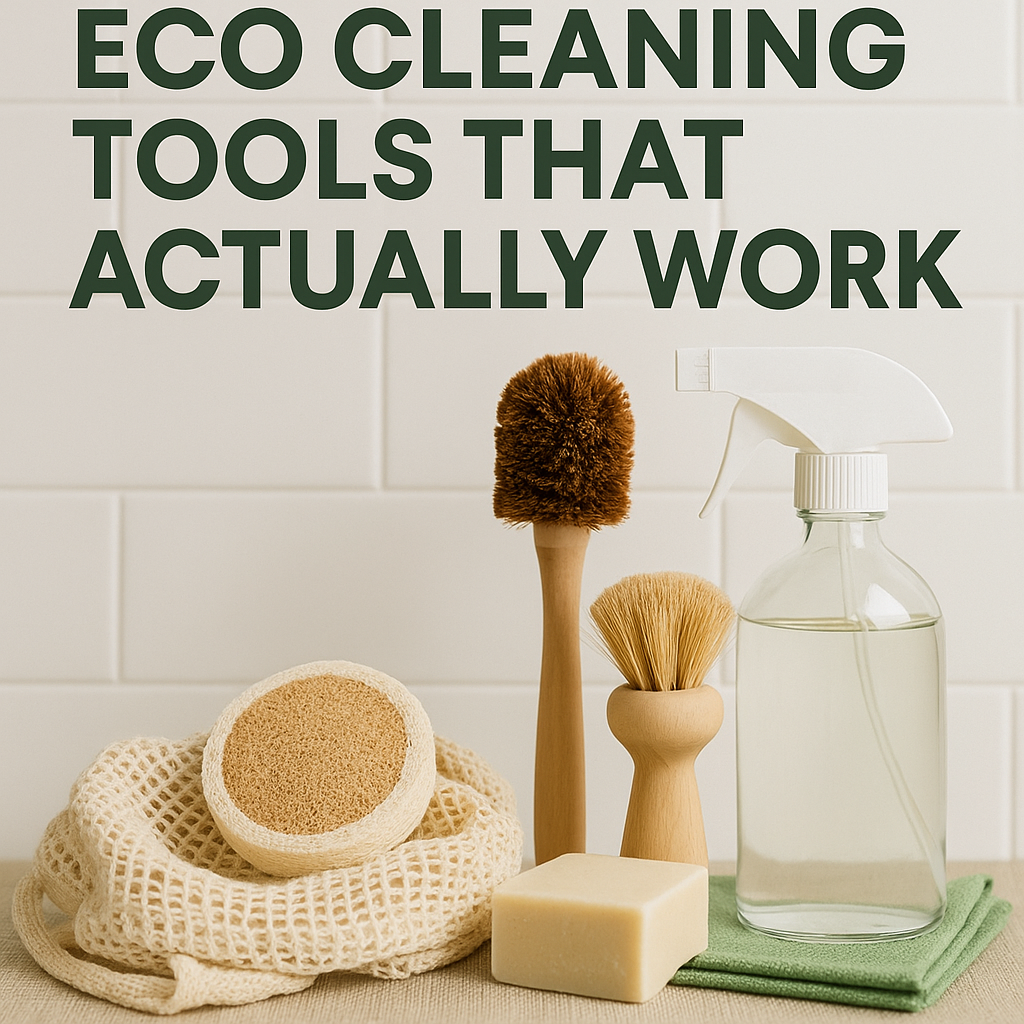
Eco Cleaning Tools That Actually Work
10/13/2025
Swap plastic sponges and wasteful paper towels for durable, sustainable tools that clean better and last longer.
Read More →