
Zero Waste Build: Creating an Eco-Friendly Home Construction Plan
5/4/2026
⏱ 2-minute read
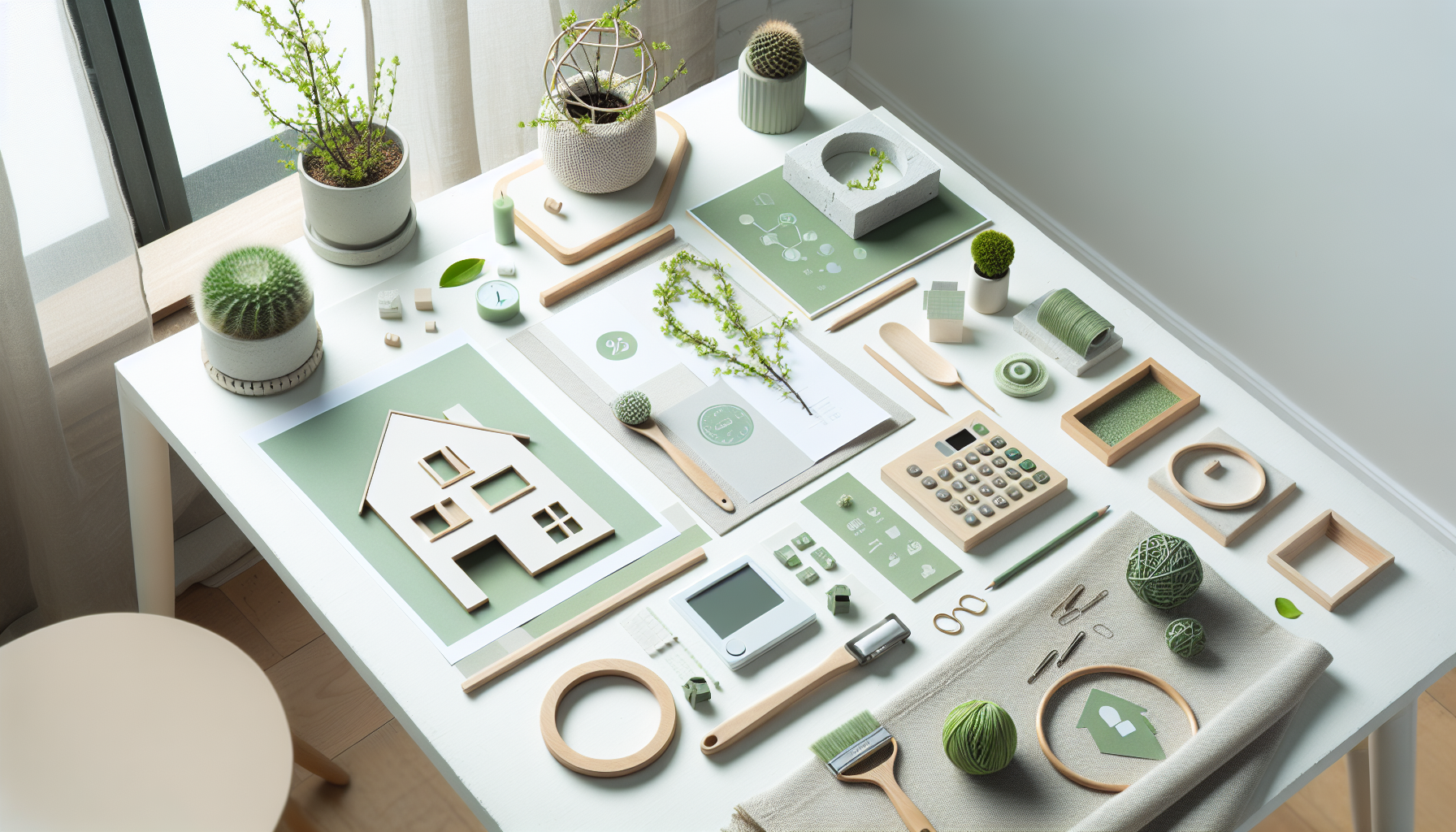
Building a home is a significant endeavor, but with the right approach, it can also be a sustainable one. Embracing a zero waste build involves planning and constructing homes with minimal environmental impact through clever design, material selection, and construction techniques.
Sustainable Design Principles
A zero waste home starts with sustainable design. This means adopting a circular economy approach, ensuring that materials can be reused, recycled, or composted at the end of their life. Efficient resource use is also critical—designing spaces that maximize natural light and ventilation can significantly reduce the need for artificial lighting and HVAC systems.
Choosing the Right Materials
The choice of materials plays a pivotal role in minimizing a home's environmental footprint. Opt for recycled and reclaimed materials like recycled steel and reclaimed wood, which lessen the demand for resource extraction. Incorporating eco-friendly options such as bamboo, cork, and straw bales ensures a non-toxic building environment.
Innovative Construction Techniques
Construction techniques are evolving to support eco-friendly building. Prefabrication and modular construction reduce on-site waste and provide precision, which minimizes material excess. These methods allow for easier assembly and potential disassembly for future use or recycling.
Ensuring Health and Safety
Creating a healthy living environment is crucial. Focus on improving indoor air quality by selecting low-VOC products for paints and finishes. Additionally, ensuring natural ventilation can help reduce indoor pollutants. Being mindful of the materials used in furnishings, such as avoiding chemicals like formaldehyde, enhances inhabitants' health.
Practical Steps for Zero Waste Building
On-site waste management can significantly affect sustainability outcomes. Implement composting systems for organic waste and organize robust recycling programs for metals and glass. Energy efficiency is another practical focus; installing solar power systems reduces reliance on non-renewable energy sources. Consider high-performance insulation to maintain energy efficiency year-round.
Water conservation measures also complement eco-friendly building. Rainwater harvesting systems and efficient plumbing, such as low-flow fixtures, can substantially minimize water use.
Long-Term Sustainability
Beyond construction, sustainable landscaping and adaptive home design contribute to long-lasting eco-friendliness. Utilize native plants to minimize water needs and bolster local biodiversity. Installing green roofs can further enhance insulation, manage stormwater, and support wildlife habitats.
Moreover, designing homes for adaptive reuse ensures they can accommodate changing needs over time, reducing the necessity for new construction.
By integrating these practices into your construction plan, you create not only a home but a legacy of sustainability. Every step towards a zero waste build paves the way for a healthier planet and a more harmonious living environment.
As an Amazon Associate, The Clean Code earns from qualifying purchases.
Featured Product

Sustainably Sourced Bamboo Construction Blocks
These bamboo construction blocks are made from sustainably sourced bamboo, providing an eco-friendly and toxin-free option for home projects. Embrace sustainable building practices by utilizing these durable and versatile blocks.
View on Amazon →You May Also Like

10 Non-Toxic Cleaning Hacks for a Healthier Home
10/9/2025
Switch your home to safe and simple alternatives with these easy DIY cleaning tricks.
Read More →

The Clean Cookware Guide: Healthier Materials for Everyday Cooking
10/11/2025
Discover which cookware materials are safest for your health and how to build a toxin-free kitchen.
Read More →
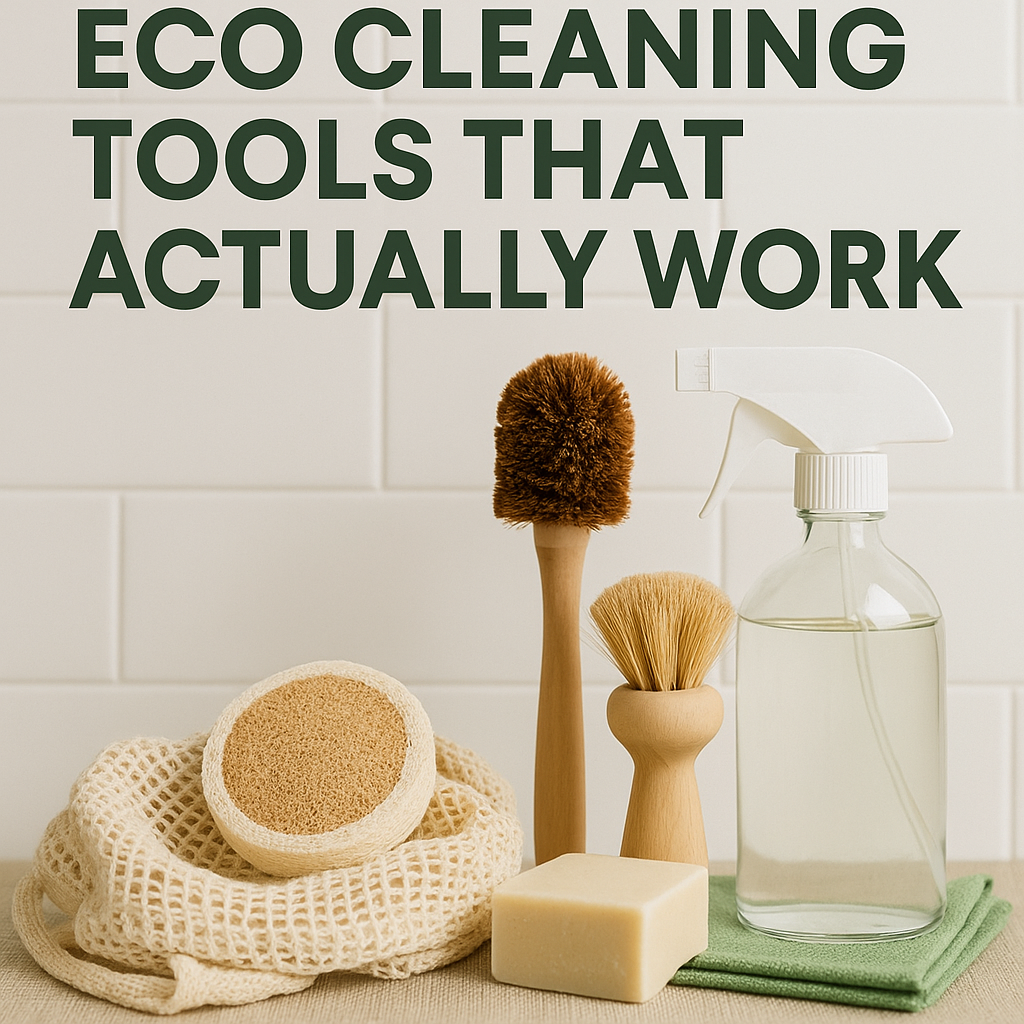
Eco Cleaning Tools That Actually Work
10/13/2025
Swap plastic sponges and wasteful paper towels for durable, sustainable tools that clean better and last longer.
Read More →