The Ultimate Guide to Eco-Friendly Home Insulation
5/5/2026
⏱ 3-minute read
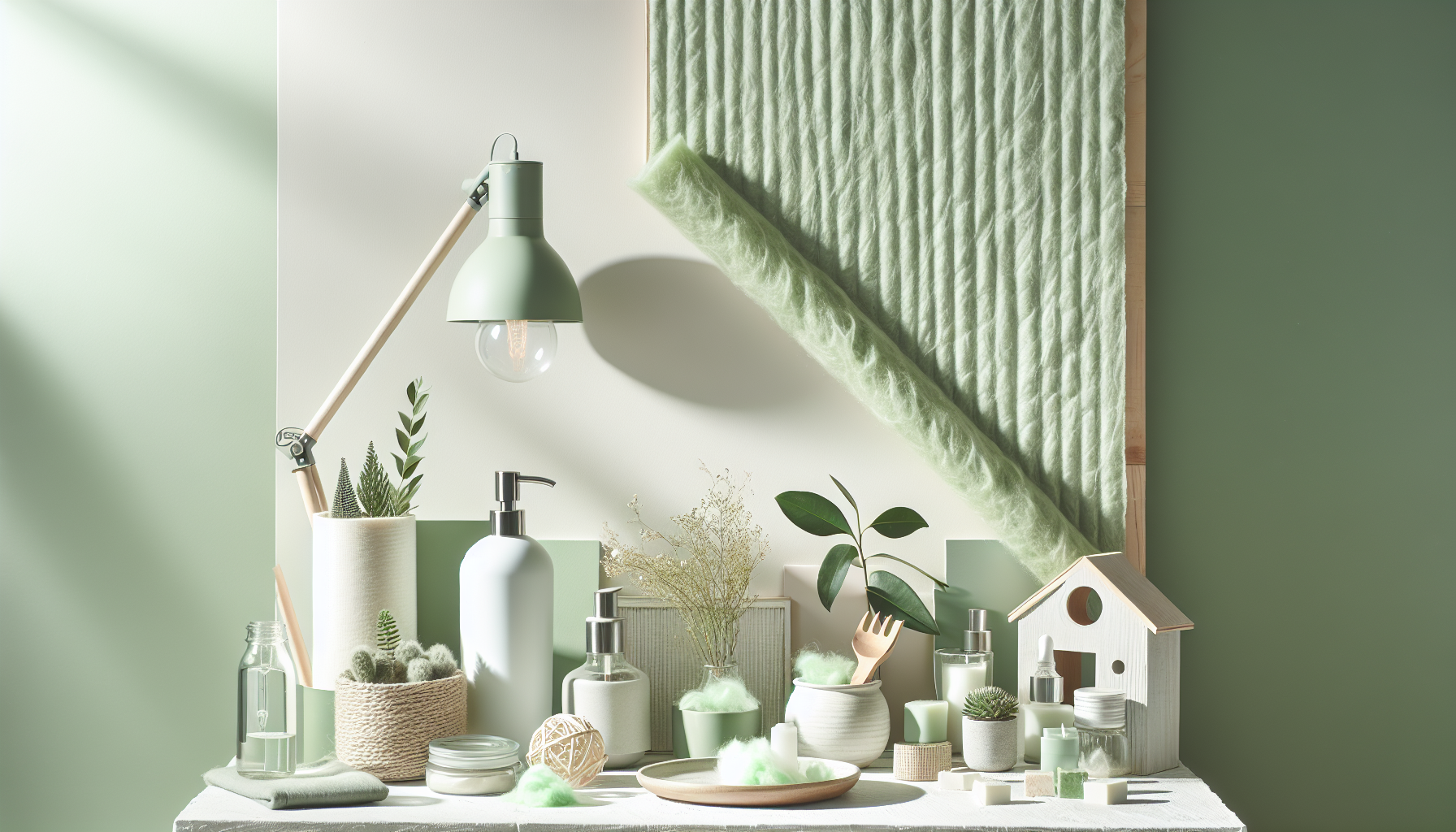
Eco-friendly home insulation is not just a trend; it's an essential step towards a sustainable future. This approach aids in reducing energy consumption, minimizing carbon footprints, and improving indoor air quality. By opting for sustainable insulation materials, homeowners contribute to environmental preservation while enhancing their home's comfort and efficiency.
Key Eco-Friendly Insulation Materials
Several sustainable materials can be used effectively for home insulation:
- Cellulose Insulation: Made from recycled paper products, primarily newspapers, cellulose insulation offers excellent thermal performance and soundproofing capabilities. It is treated with non-toxic fire retardants to ensure safety.
- Wool Insulation: Sourced from sheep wool, this insulation is a renewable resource, naturally fire-resistant, and highly effective in moisture regulation. It is biodegradable and has low embodied energy.
- Cotton (Denim) Insulation: Composed of recycled cotton and denim fibers, this option is formaldehyde-free and other harmful chemicals, offering good thermal and acoustic insulation.
- Cork Insulation: Harvested from the bark of cork oak trees without harming them, cork provides strong thermal performance and excellent moisture resistance. Completely natural, it is recyclable and biodegradable.
- Hemp Insulation: Derived from the industrial hemp plant, this material offers good resistance to pests and mold due to its natural properties, with high thermal mass and sustainability owing to its rapid growth cycles.
- Straw Bale Insulation: Made from an agricultural byproduct, straw bale insulation is effective with a significantly low environmental impact and offers excellent thermal mass.
Benefits of Eco-Friendly Insulation
Choosing eco-friendly insulation materials provides several advantages:
- Energy Efficiency: These materials reduce the need for heating and cooling, leading to lower energy bills and decreased reliance on fossil fuels.
- Improved Air Quality: Non-toxic materials help reduce indoor pollutants and allergens, promoting healthier living environments.
- Sustainability: They decrease reliance on non-renewable resources and limit waste generation.
- Enhanced Comfort: Effective insulation improves indoor climate control and noise reduction, enhancing everyday comfort.
Health and Safety Considerations
It is vital to ensure that insulation materials are sourced responsibly and treated with safe, non-toxic substances. During installation, safety gear should be used to avoid inhalation or skin contact with fibers. Verify that chosen materials have necessary fire ratings and resistances for your safety and peace of mind.
Practical Tips for Implementation
- Assess Current Insulation Needs: Conduct an energy audit to identify areas of heat loss and determine optimal insulation needs.
- Choose the Right Material: Match the properties of the material with specific areas of your home. For instance, moisture-resistant materials are ideal for basements.
- Consider Installation Methods: Some eco-friendly insulations are DIY-friendly, while others may require professional installation.
- Look for Certifications: Prioritize materials with certifications like GREENGUARD or Cradle to Cradle, ensuring they meet environmental and health standards.
- Long-term Investment: Consider initial costs versus the long-term savings and environmental impact to make informed decisions.
Conclusion
Integrating eco-friendly insulation into your home is a sustainable choice that benefits both the environment and personal health. With a variety of materials available, homeowners can select options that align with their specific needs and values. Prioritizing eco-friendly insulation plays a critical role in fostering energy efficiency, reducing costs, and promoting a healthier living space. Looking for an eco-friendly option? Check out our recommended Frost King Natural Cotton Multi-Purpose Insulation.
Making changes in your home towards sustainability is a step forward to a brighter, greener future. Your choices today contribute to the well-being of our planet tomorrow.
As an Amazon Associate, The Clean Code earns from qualifying purchases.
Featured Product

Frost King Natural Cotton Multi-Purpose Insulation
This eco-friendly insulation is made from 85% recycled natural cotton fibers and offers excellent thermal and sound absorption. It's non-toxic, easy to handle, and perfect for DIY enthusiasts looking to enhance their home's energy efficiency while being kind to the environment.
View on Amazon →You May Also Like
10 Non-Toxic Cleaning Hacks for a Healthier Home
10/9/2025
Switch your home to safe and simple alternatives with these easy DIY cleaning tricks.
Read More →
The Clean Cookware Guide: Healthier Materials for Everyday Cooking
10/11/2025
Discover which cookware materials are safest for your health and how to build a toxin-free kitchen.
Read More →
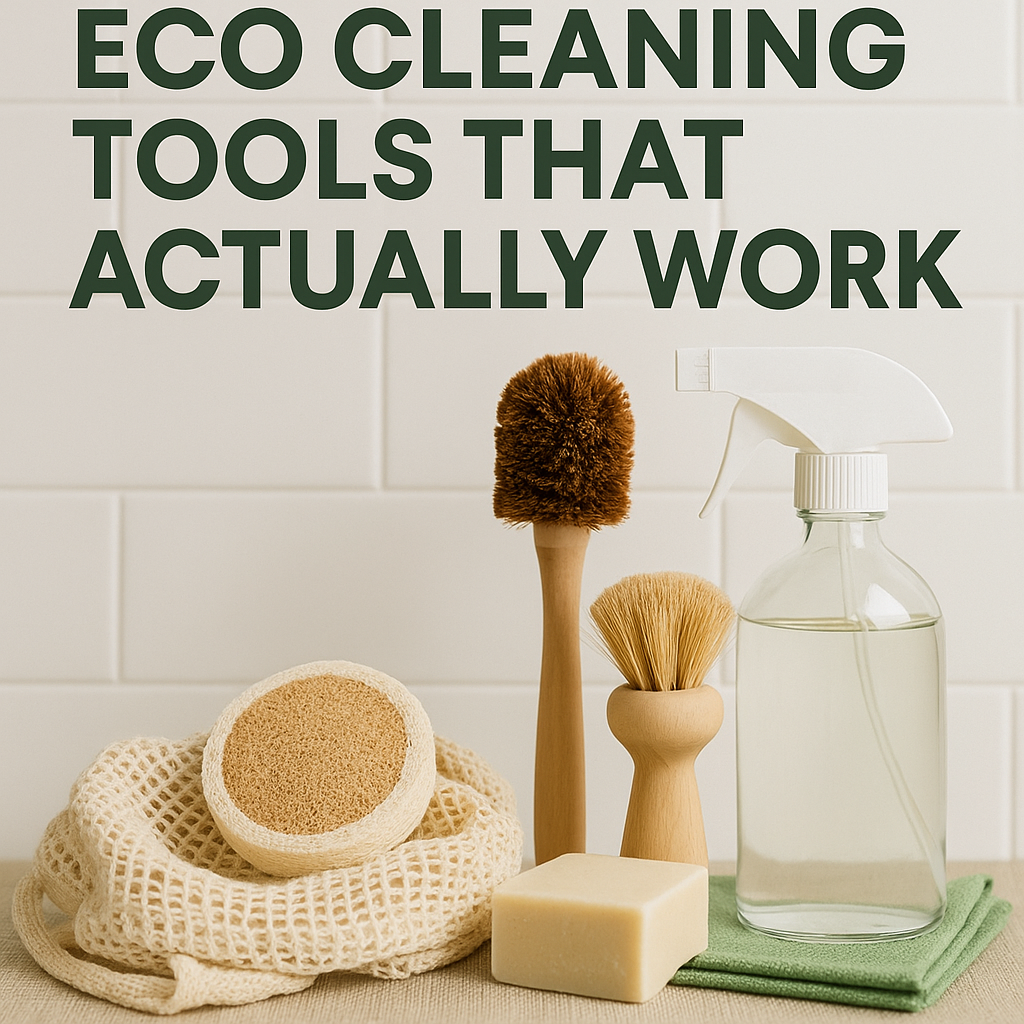
Eco Cleaning Tools That Actually Work
10/13/2025
Swap plastic sponges and wasteful paper towels for durable, sustainable tools that clean better and last longer.
Read More →