
Eco-Friendly Indoor Plant Care: Safe Practices Without Pesticides
5/8/2026
⏱ 6-minute read
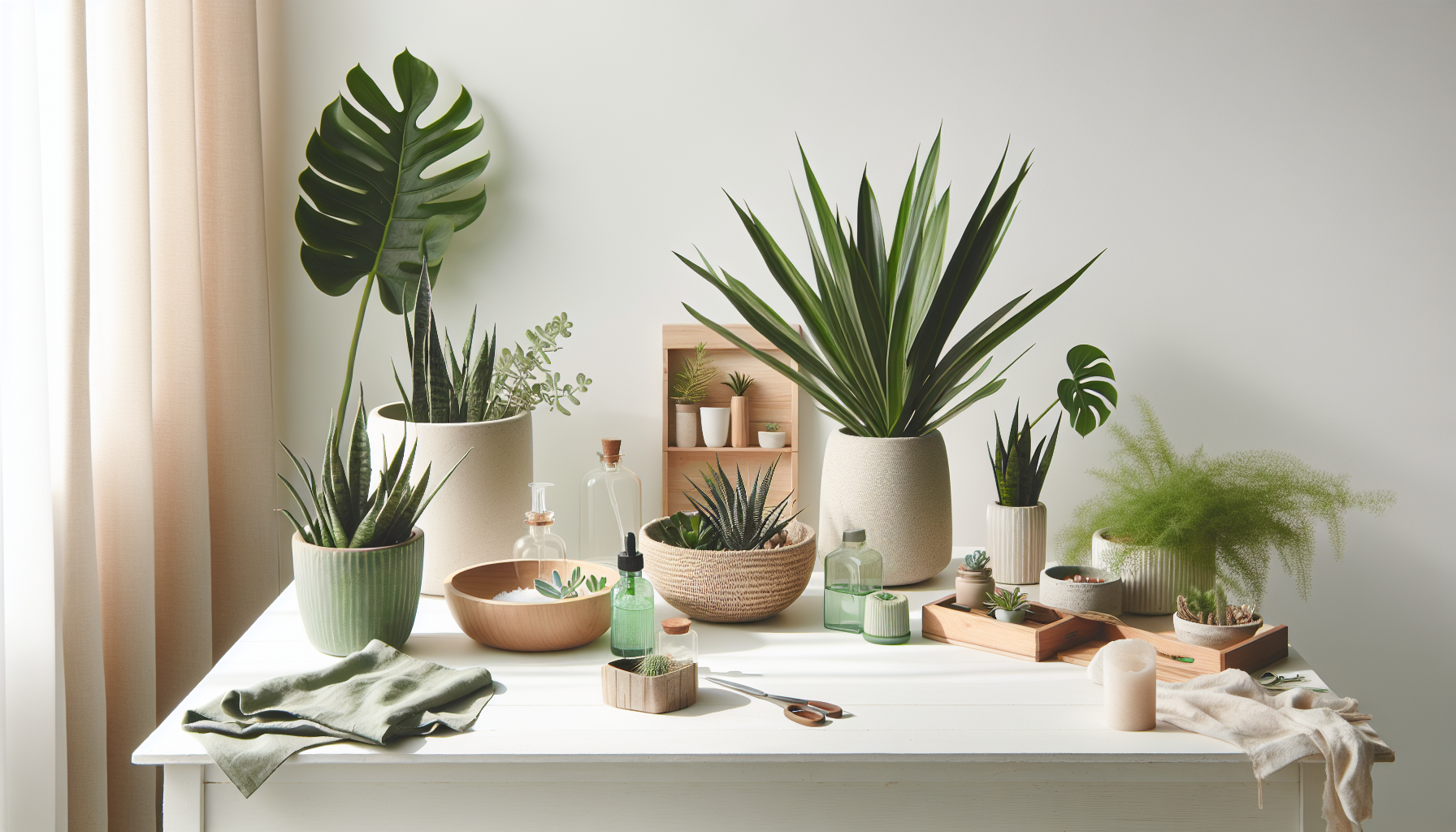
Maintaining a healthy indoor garden doesn't have to involve harsh chemicals. Eco-friendly indoor plant care aims to keep your green companions vibrant using methods that are safe for both humans and the environment. This involves understanding common pests, implementing preventative measures, and utilizing natural solutions for pest control.
Understanding Common Pests and Issues
Before diving into solutions, it's essential to know the usual suspects in indoor plant pest infestations. Common pests include aphids, spider mites, fungus gnats, and whiteflies. Each pest presents distinct challenges and requires specific attention.
- Aphids: These small insects can rapidly multiply, creating clusters on the underside of leaves where they feed on sap, causing leaves to curl and yellow.
- Spider mites: Difficult to see with the naked eye, spider mites leave behind fine webbing. Their feeding creates small yellow or brown spots on leaves.
- Fungus gnats: These small, fly-like bugs are attracted to moist soil and can be a sign of overwatering.
- Whiteflies: Similar to tiny white moths, they fly up in clouds when disturbed and cause wilting or leaf drop as they suck nutrients from plants.
Early identification is key to effective management, and by recognizing signs such as discolored leaves, webbing, stunted growth, and sticky residue, you can take swift action. Consider using a magnifying glass to inspect your plants regularly to catch any infestations early.
Preventative Measures
Healthy plants are your first line of defense against pests. To ensure they have the optimal environment, consider these key steps:
- Adequate Sunlight: Place plants near windows or light sources suitable for their specific needs. Use grow lights if natural light is insufficient.
- Proper Watering: Avoid overwatering by allowing the top inch of soil to dry out between waterings. Ensure pots have sufficient drainage.
- Nutrient-Rich Soil: Start with a high-quality, sterile potting mix, and consider mixing in perlite or vermiculite to improve drainage and airflow.
- Regular Maintenance: Inspect your plants frequently, remove dead leaves, and keep them clean by gently washing with water to reduce dust and potential pests.
- Air Circulation: Space plants apart to improve airflow and prevent the stagnant conditions that pests thrive in.
- Quarantine New Plants: Before introducing new plants to your collection, keep them separate for a few weeks to monitor for any pests or diseases.
Eco-Friendly Pest Control Methods
When pests do appear, use eco-friendly solutions that effectively manage them without harming the environment. Here’s how to utilize some common natural pesticides:
- Neem Oil: Derived from the neem tree, neem oil disrupts insect life cycles without harming beneficial insects when applied in small amounts. Mix with water following package instructions for an effective spray.
- Insecticidal Soap: Made from plant oils and fats, this is particularly effective against soft-bodied insects like aphids. Spray directly on affected areas, ensuring complete coverage.
- Diatomaceous Earth: This natural powder dehydrates insects. Dust a fine layer on top of the soil and around plant bases while wearing a mask to avoid inhalation.
- DIY Soap and Essential Oil Spray: Mix a few drops of mild dish soap with water and essential oils such as peppermint or rosemary. This acts as a deterrent and is especially fragrant, refreshing your indoor environment.
It's essential to rotate these methods to avoid pests developing resistance. Test any new treatment on a small part of the plant first to ensure there's no adverse reaction.
Promoting Beneficial Insects
Not all insects are harmful; some are naturally efficient pest controllers. Here’s how to introduce and maintain beneficial insects:
- Ladybugs: Great for controlling aphids. Release them in the evening, near infested plants, ensuring they have a source of food and moisture to keep them around.
- Predatory Mites: Perfect for spider mite control. Purchase from a reputable source and scatter them on affected plants. Ensure proper humidity levels to keep them healthy.
Consider Companion Planting: Utilize plants like marigolds and basil, which naturally deter pests and foster a diverse ecosystem. These plants can be potted alongside your main plants or placed strategically in the same room.
Safety and Health Considerations
While eco-friendly methods are safer, they require careful handling:
- Ventilation: Ensure adequate airflow when applying sprays to prevent mold and maintain air quality.
- Sensitivity Testing: Some people may react to essential oils or neem oil. Test any solution on a small patch of skin before widespread use.
- Pet Safety: Confirm plant treatments are non-toxic to pets. Consider areas inaccessible to pets if uncertain.
Tips for Sustainable Practices
Sustainability starts at home. Here are some eco-friendly practices to incorporate:
- DIY Fertilizers: Use kitchen scraps like banana peels for potassium or coffee grounds for nitrogen. Dry and crush these, then mix them with soil to enrich it.
- Compost Tea: Make by steeping compost in water for a few days. This liquid fertilizer boosts plant growth without the environmental impact of synthetic fertilizers.
- Recycling Containers: Utilize old jars or containers as plant pots. Ensure proper drainage by adding a layer of stones or drilling small holes in the base.
Common Mistakes in Eco-Friendly Plant Care
Sometimes intentions don't match outcomes. Here are common pitfalls to avoid:
- Overusing Natural Pesticides: Even natural solutions can harm plants if overapplied. Follow instructions diligently to avoid damage.
- Neglecting Balance: A healthy ecosystem includes some pests. Complete eradication isn't always necessary and can lead to more harm than good.
- Ignoring Soil Health: Consistent failure to enrich soil can lead to nutrient deficiencies. Regularly amend the soil as needed.
- Skipping Quarantine: New plants should be isolated to prevent introducing pests or diseases to your existing plants.
FAQ
- Q: How often should I apply neem oil?
A: Apply neem oil once every 7-14 days, but always based on the severity of the pest issue. - Q: How can I improve airflow in my indoor garden?
A: Space plants appropriately, use fans set on low, and avoid placing plants directly against walls to encourage circulation. - Q: What if my plant reacts poorly to an oil spray?
A: Rinse the plant with water immediately, and wait a few days before reapplying any treatment.
By nurturing your indoor plants through these safe, sustainable methods, you contribute to a healthier home and a better world. Your journey into eco-friendly plant care not only enhances your living space but also reflects a commitment to living in harmony with nature. Keep growing and thriving!
As an Amazon Associate, The Clean Code earns from qualifying purchases.
Featured Product

Neem Oil Spray for Plants
Bonide's Neem Oil Spray is a natural and eco-friendly solution for managing indoor plant pests. It's ready-to-use, derived from the seeds of the neem tree, and effective against a wide variety of common plant pests without harmful chemicals.
View on Amazon →You May Also Like
10 Non-Toxic Cleaning Hacks for a Healthier Home
10/9/2025
Switch your home to safe and simple alternatives with these easy DIY cleaning tricks.
Read More →

The Clean Cookware Guide: Healthier Materials for Everyday Cooking
10/11/2025
Discover which cookware materials are safest for your health and how to build a toxin-free kitchen.
Read More →
Eco Cleaning Tools That Actually Work
10/13/2025
Swap plastic sponges and wasteful paper towels for durable, sustainable tools that clean better and last longer.
Read More →