Green Gadgets: Eco-Friendly Kitchen Appliances for a Sustainable Lifestyle
5/11/2026
⏱ 6-minute read

In an age where environmental consciousness is increasingly pivotal, eco-friendly kitchen appliances offer a practical path towards sustainability. These green gadgets not only lessen energy consumption and carbon footprints but also nurture a healthier living space. Here's your guide to incorporating these innovative technologies into your kitchen.
Energy Efficiency
A crucial aspect of eco-friendly appliances is energy efficiency. When shopping for new gadgets, look for the ENERGY STAR label, which certifies that the appliance meets stringent energy guidelines. Items carrying this mark typically consume significantly less electricity than conventional counterparts, ultimately saving you money on utility bills while easing pressure on our planet’s energy reserves.
To maximize energy savings, consider these steps:
- Identify the biggest energy users: Refrigerators, ovens, and dishwashers are typically the most energy-intensive appliances. Prioritize energy-efficient upgrades in these areas first.
- Compare energy labels: Check the yellow EnergyGuide label on appliances for estimated yearly energy cost and consumption, allowing you to make informed choices.
- Consider size: Bigger isn't always better. Choose an appliance size that fits your household’s needs; larger appliances use more energy which may be unnecessary for smaller families.
Water Conservation
Water conservation is equally essential. Modern dishwashers and faucets now offer water-saving modes that use minimal water without sacrificing performance. Seek products with the WaterSense label, an assurance of efficient water use and high performance. Implementing these can substantially decrease your household's water footprint.
Adopt these practices to further enhance water conservation:
- Regularly maintain appliances: Descale and clean dishwashers and faucets to prevent build-up that can waste water.
- Utilize eco settings: Many newer models offer eco-settings that optimize water and energy use.
- Fix leaks promptly: A leaky faucet can waste gallons of water over time, so don't delay repairs.
Sustainable Materials
Opt for appliances constructed from recycled or eco-friendly materials such as stainless steel or bamboo. Avoid items containing harmful compounds like BPA or phthalates, which can leach into food from plastic components.
Here's how to make thoughtful decisions about materials:
- Research before purchase: Understand what materials make up potential purchases. Ensure they align with your eco-values.
- Focus on quality: High-quality stainless steel, glass, and bamboo are both durable and recyclable, reducing long-term environmental impact.
- Avoid toxic components: Always check for certifications like BPA-free or phthalate-free, especially in items that come into contact with food.
Durability and Longevity
When selecting eco-friendly gadgets, focus on quality and durability. Investing in products that last reduces the need for frequent replacements, curtailing waste.
To ensure you choose durable products:
- Check reviews and warranties: Consumer reviews and extended warranties are good indicators of a product's longevity.
- Invest in maintenance kits: Proper maintenance can significantly extend the life of appliances.
- Consider repairability: Choose brands known for providing replacement parts and customer service to make repairs straightforward.
Practical Tips for Eco-Friendly Kitchens
Transitioning to a greener kitchen requires strategic upgrades. Begin by replacing the most energy-intensive appliances like refrigerators, ovens, and dishwashers. Regular maintenance, such as cleaning refrigerator coils and ensuring door seals are intact, can optimize appliance efficiency.
Here's how to kick-start your transition:
- Create a priority list: Identify which appliances are due for an upgrade based on energy consumption and start there.
- Schedule regular check-ups: Set reminders to maintain your appliances, ensuring they operate efficiently.
- Educate your household: Share tips and guides with household members to encourage collective efforts in maintaining eco-friendly habits.
Smart Technology
Another innovative avenue is smart technology. Consider appliances that can be remotely controlled or offer efficiency reminders. These features lead to better energy management.
Here's how to effectively integrate smart technology:
- Select the right device: Look for appliances with energy usage tracking, allowing you to monitor and adjust usage remotely.
- Optimize through schedules: Use programmable settings or phone apps to run appliances during off-peak energy times.
- Stay updated: Regular software updates can enhance the functionality and security of smart gadgets over time.
Health and Safety Considerations
Non-toxic options enhance indoor air quality by reducing exposure to harmful emissions. Induction cooktops, which use magnetic fields to heat food, are ideal as they are safer and more energy-efficient than traditional stoves. They notably reduce gas emissions and hasten cooking times.
Consider these safety tips:
- Focus on ventilation: Proper ventilation through range hoods or fans reduces indoor pollutants substantially.
- Read safety seals: Look for safety ratings and labels that guarantee the appliance meets standards for low emissions.
- Choose induction wisely: If opting for an induction cooktop, ensure your cookware is compatible to maximize efficiency.
Improved Air Quality
Invest in range hoods and air purifiers to accompany your eco-friendly appliances, removing pollutants and ensuring fresher air in your kitchen.
Here's how to keep your air quality high:
- Choose high-CADR purifiers: Clean Air Delivery Rate (CADR) indicates how quickly an air purifier can clean the air.
- Replace filters regularly: HEPA filters need regular replacement to maintain efficiency and air quality standards.
- Reduce indoor pollution sources: Store cleaning chemicals safely and ensure good ventilation during their use.
Additional Sustainable Practices
Integrate composting within your kitchen to diminish food waste while nurturing your garden’s soil health. Switch to LED lighting for kitchen illumination tasks; they use less energy and boast extended lifespans compared to incandescent bulbs.
Add these practices to your routine:
- Create a compost station: Place a small, odor-blocking compost bin within reach to make composting a convenient, daily habit.
- Install smart lighting: Set up smart LED bulbs that can be scheduled or adjusted for optimal use and energy savings.
- Use natural cleaning products: Swap chemical-laden cleaners for homemade or store-bought natural cleaning solutions to keep your kitchen air fresh and healthy.
Common Mistakes
Avoid these common pitfalls when creating an eco-friendly kitchen:
- Overlooking maintenance: Neglecting regular maintenance can lead to inefficiencies and increased energy use.
- Inefficient usage habits: Leaving appliances on unnecessary standby modes or failing to fully load dishwashers can waste energy and resources.
- Ignoring the small things: Failing to address leaks or overlooking small usages can cumulatively lead to substantial environmental impacts.
Quick-Start Checklist
- Identify and prioritize key appliances for replacement or upgrade.
- Look for Energy Star and WaterSense labels on appliances.
- Research materials and avoid harmful chemicals.
- Implement a regular maintenance schedule.
- Consider smart technology for better energy management.
- Enhance kitchen air quality with purifiers and range hoods.
- Adopt additional sustainable practices like composting and using LED lighting.
Final Thoughts
Transitioning to an eco-friendly kitchen is a journey involving thoughtful selection and gradual investment in technology that supports sustainability. By electing for green gadgets, you can significantly reduce your environmental impact while savoring the benefits of a healthier, more efficient living space. Embrace this evolution, one appliance at a time, and be a catalyst for the change you wish to witness in the world.
Every step towards sustainability counts, no matter how small. Let your kitchen be the starting point for creating a greener planet and a conscious lifestyle.
As an Amazon Associate, The Clean Code earns from qualifying purchases.
Featured Product

EKOH Swedish DishCloths 12 Pack, Reusable Paper Towels for Kitchen, Eco-Friendly Cellulose Sponge, Microfiber Alternative Dish Cloth, Kitchen Essentials, Apple Lime Green
Top-rated eco-friendly product for Green Gadgets: Eco-Friendly Kitchen Appliances for a Sustainable Lifestyle. Available on Amazon.
View on Amazon →You May Also Like

10 Non-Toxic Cleaning Hacks for a Healthier Home
10/9/2025
Switch your home to safe and simple alternatives with these easy DIY cleaning tricks.
Read More →
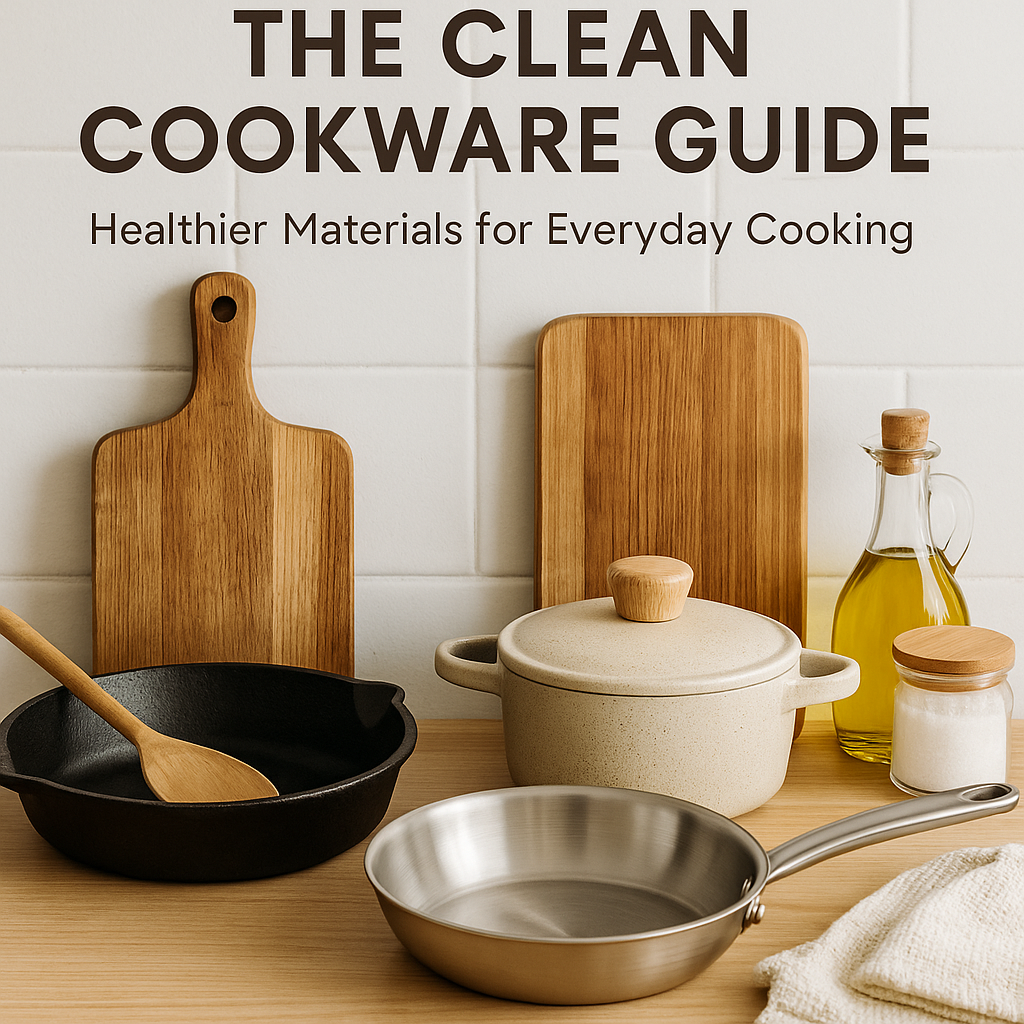
The Clean Cookware Guide: Healthier Materials for Everyday Cooking
10/11/2025
Discover which cookware materials are safest for your health and how to build a toxin-free kitchen.
Read More →
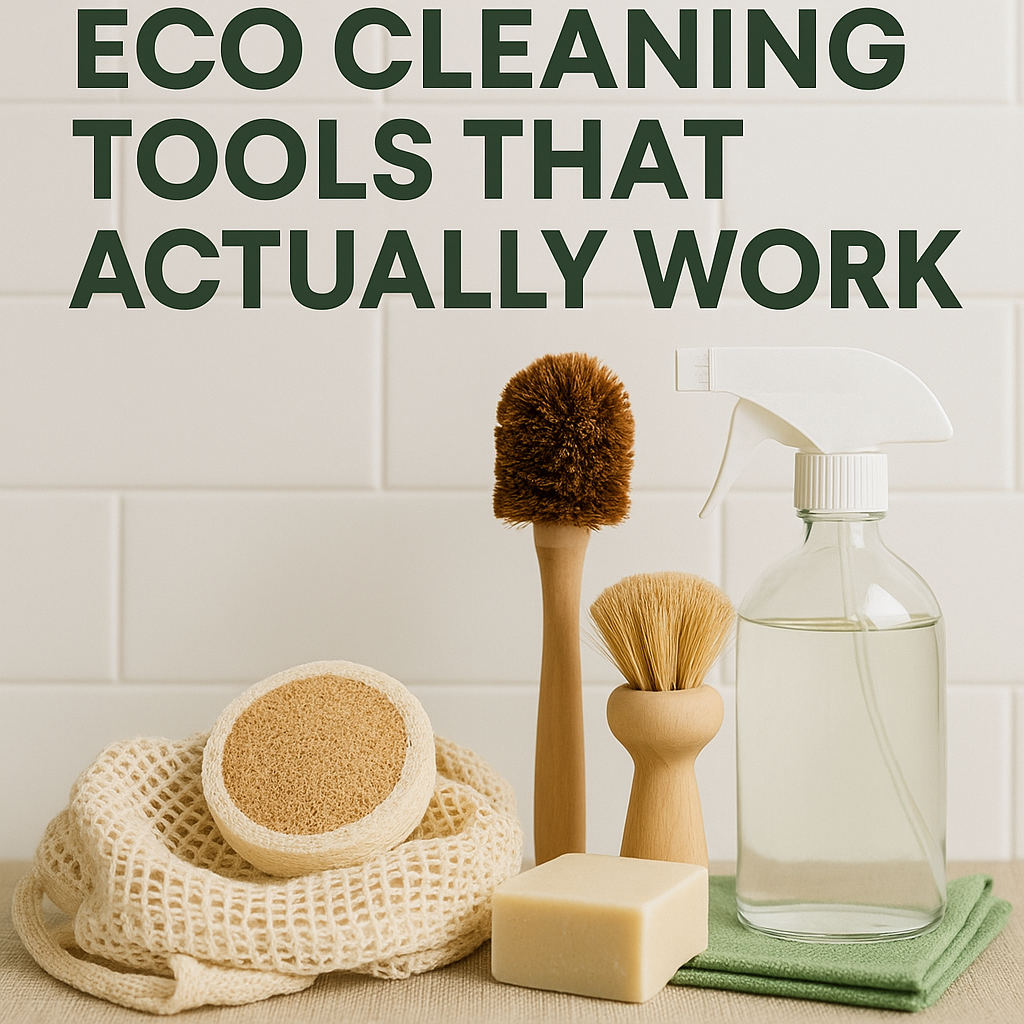
Eco Cleaning Tools That Actually Work
10/13/2025
Swap plastic sponges and wasteful paper towels for durable, sustainable tools that clean better and last longer.
Read More →