
Eco-Friendly Outdoor Lighting: Illuminate Your Garden Sustainably
5/3/2026
⏱ 5-minute read
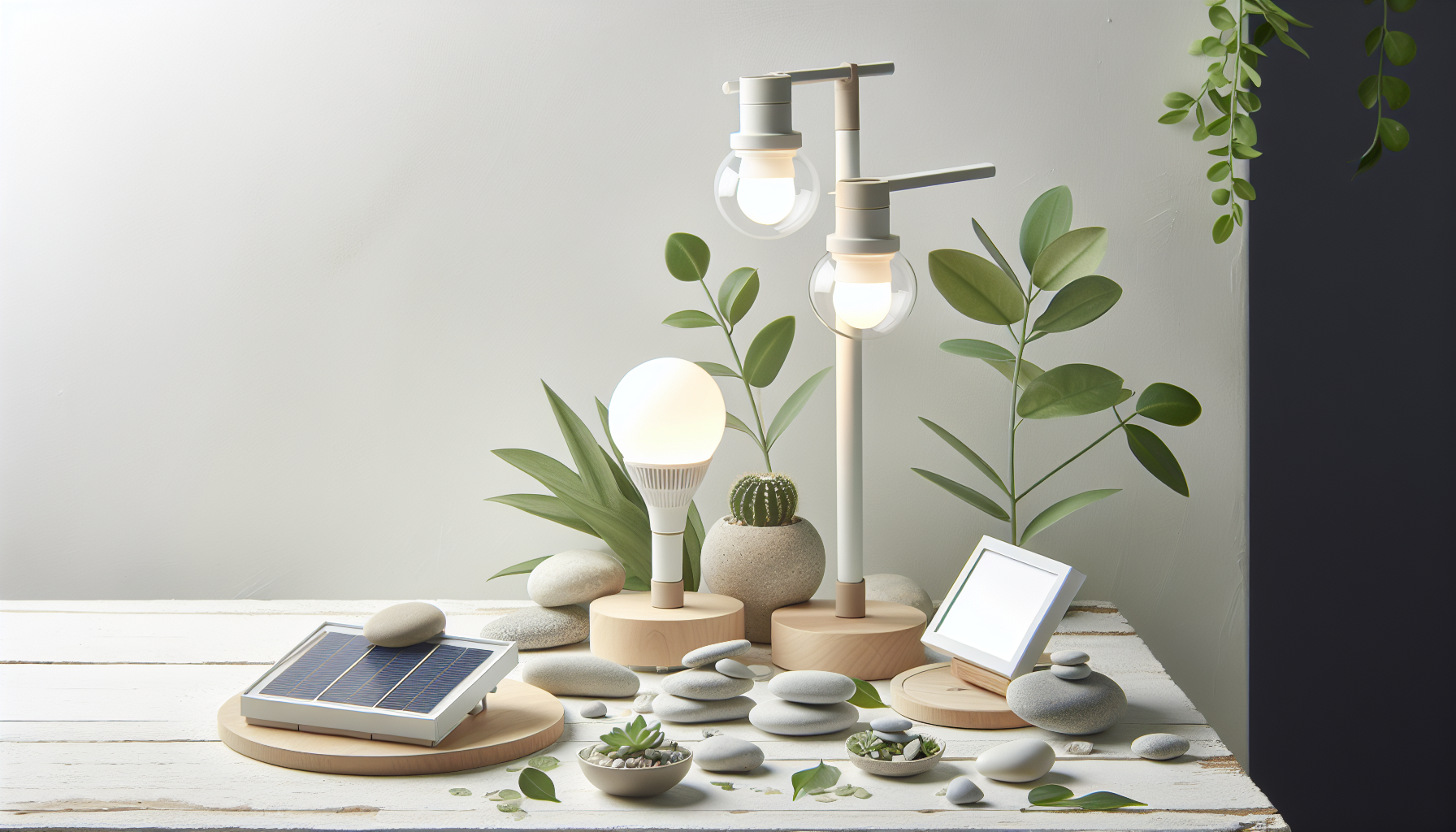
Creating an inviting and sustainably illuminated garden is a wonderful way to enhance your outdoor living space while reducing your ecological footprint. By adopting eco-friendly outdoor lighting, you can enjoy beautiful gardens at night without relying heavily on non-renewable energy sources. Here, we examine the best sustainable lighting options, installation tips, and maintenance practices.
Energy-Efficient Lighting Options
The cornerstone of sustainable outdoor lighting is energy efficiency. Here are some top options:
- LED Lights: Known for their energy efficiency, LEDs consume up to 80% less energy compared to traditional incandescent bulbs. They also boast a longer lifespan, meaning fewer replacements and less waste over time. Look for LED lights with Energy Star certification or a suitable equivalent in your region. These certifications ensure the lights meet standards for energy efficiency and performance. LED lights are available in a variety of colors and brightness levels, allowing you to customize your garden's ambiance.
- Solar-Powered Lights: These lights are a hassle-free solution, using solar energy collected during the day to illuminate your garden at night. The key to successful solar lighting is ensuring the solar panels receive adequate sunlight, so placement is crucial. Before purchasing, check the light's efficiency in terms of lumens per watt and ensure the battery capacity is sufficient to last through long nights.
- Low-Voltage Lighting: Operating on lower voltages than standard systems, these lights are not only safe but also efficient, providing enough illumination with reduced energy use. Ensure you have a compatible transformer that matches the total wattage of your lights. These systems are ideal for task-specific lighting, such as highlighting plants or architectural features.
Design and Installation Tips
Effective design and strategic placement are crucial in minimizing energy use while maximizing aesthetics. Consider the following tips:
- Strategic Placement: Focus lighting on pathways, entryways, and important landscape features to reduce the number of fixtures needed, thus cutting down on unnecessary energy consumption. Use a flashlight to experiment with different placements on a trial basis before committing to installations.
- Timers and Motion Sensors: These features ensure lights are only on when needed, further conserving energy and extending the life of your fixtures. Programmable timers can be set to match your usual schedule, avoiding unnecessary operation. Motion sensors are especially useful for safety lighting near entryways or dark corners.
- Dark Sky Compliant Fixtures: Opt for fixtures that minimize light pollution by directing light downward, enhancing the ambiance without disturbing the night sky or local wildlife. Check for lighting fixtures that are certified as dark sky-friendly, which are designed to reduce light trespass and skyglow.
Quick-Start Checklist for Installation
- Survey your garden to decide which areas need illumination.
- Test the proposed lighting plan during evening hours with temporary lights.
- Purchase the appropriate type and number of fixtures.
- Ensure electrical connections are secure and safe where applicable.
- Regularly maintain and check all equipment for maximum efficiency.
Materials and Durability
Choosing the right materials is essential for durability and sustainability:
- Look for fixtures made from weather-resistant materials like stainless steel, bronze, or recycled components to ensure longevity. Aluminum and powder-coated finishes are also durable options, resisting rust and weather damage.
- Consider fixtures with replaceable parts to further extend their lifecycle and reduce waste. These parts might include LED chips or rechargeable batteries, which can be easily swapped out when necessary.
- Check for environmental certifications on materials that guarantee the sustainability and ethical production of the fixture materials.
Health and Safety Considerations
It's vital to consider the impact of lighting on both human health and the environment. Here's how:
- Light Pollution Reduction: Excessive lighting can disrupt ecosystems, particularly nocturnal wildlife. Directed, lower-intensity lighting can mitigate these effects. Implementing shields or hoods over lights can help focus the beam where needed, sparing the night sky from unnecessary light.
- Human Health: Opt for 'warm' light LEDs to reduce blue light exposure, which can impact sleep patterns and overall health. The ideal range is around 2700K, which resembles the warmth of traditional incandescent bulbs and is less disruptive to circadian rhythms.
Frequently Asked Questions About Outdoor Lighting
How can I ensure my solar lights work efficiently year-round?
Ensure the solar panel is positioned in an area that receives full, unobstructed sunlight throughout the year. Clean the solar panels regularly to remove dust and debris, which can block sunlight absorption. In winter or cloudy climates, consider mixed-use systems that can charge through both solar and electrical power.
What is the typical lifespan of LED outdoor lights?
High-quality LED lights can last 25,000 to 50,000 hours on average, translating to several years of use depending on operation duration. Factor in quality and manufacturer warranties when making a purchase to ensure the longevity of your investment.
Practical Maintenance
Ensuring your lights remain efficient requires regular maintenance:
- Clean solar panels on solar lights regularly to maintain their efficiency. Use a soft cloth and mild detergent to keep the panels free of dirt, which can prevent them from charging fully.
- Adjust timers and sensors seasonally to ensure your lighting aligns with changing day lengths. This adjustment prevents lights from operating unnecessarily during extended daylight hours in summer and maximizes their availability during longer winter nights.
- Inspect all fixtures for signs of wear, damage, or loose connections. Address these issues promptly to prevent further damage or energy inefficiency.
Eco-Friendly Accents
Consider incorporating sustainable accents to your lighting strategy:
- Use lights with rechargeable batteries to minimize battery waste. When replacements are necessary, choose batteries that are recyclable and have a longer lifespan to further enhance sustainability.
- Integrate lighting into a garden design plan featuring native plants and structures to support local biodiversity. Choose plants that thrive under low-intensity illumination, promoting ecological harmony.
- Employ creative lighting solutions like lanterns or glow-in-the-dark paint for pathways, which reduce reliance on electricity and add unique aesthetic charm.
By integrating energy-efficient technologies and thoughtful design principles, you can cultivate an outdoor space that is as environmentally responsible as it is enchanting. Explore options such as Aogist Solar Ground Lights to enhance your garden sustainably and beautifully. Innovate with purpose and illuminate your space while preserving natural resources.
Every small step toward sustainability can lead to brighter communities and a healthier planet. Let your garden shine under a conscious, eco-friendly glow.
As an Amazon Associate, The Clean Code earns from qualifying purchases.
Featured Product

Aogist Solar Ground Lights
Illuminate your garden sustainably with Aogist Solar Ground Lights, which harness solar energy to provide a bright, eco-friendly glow without any wiring or electricity costs. With easy installation, these lights are perfect for highlighting walkways or landscape features while reducing your carbon footprint.
View on Amazon →You May Also Like

10 Non-Toxic Cleaning Hacks for a Healthier Home
10/9/2025
Switch your home to safe and simple alternatives with these easy DIY cleaning tricks.
Read More →

The Clean Cookware Guide: Healthier Materials for Everyday Cooking
10/11/2025
Discover which cookware materials are safest for your health and how to build a toxin-free kitchen.
Read More →

Eco Cleaning Tools That Actually Work
10/13/2025
Swap plastic sponges and wasteful paper towels for durable, sustainable tools that clean better and last longer.
Read More →