
Eco-Friendly Pest Deterrents for a Plant-Only Garden
7/4/2026
⏱ 6-minute read
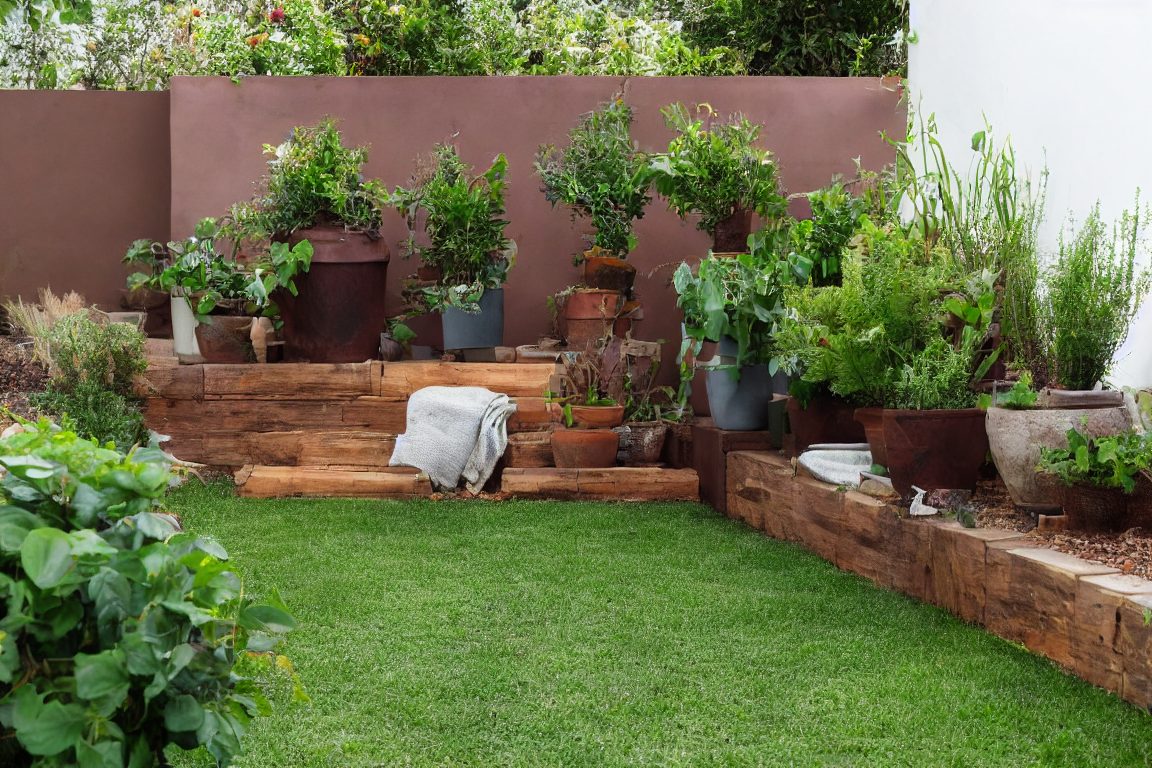
In the quest for maintaining a flourishing plant-only garden, managing pests effectively while staying eco-friendly can seem challenging. However, the key to success lies in implementing strategies that prioritize garden health, support biodiversity, and are safe for both humans and beneficial wildlife.
Understanding the Eco-Friendly Approach
The long-term success of a plant-only garden hinges on creating a natural balance where the ecosystem is self-sustaining and naturally resistant to pests. This eco-friendly methodology ensures that pest control practices align with environmental sustainability, safeguarding the health of humans, pets, and beneficial wildlife alike. The cornerstone of this approach is to work with nature rather than against it, fostering conditions that naturally deter pests.
To achieve this, focus on building biodiversity in your garden. A diverse plant community can stabilize the ecosystem, providing habitats for beneficial organisms. Learn to identify which pests are present in your garden and which beneficial insects can help control them. Educate yourself on natural pest life cycles and patterns to anticipate problems before they escalate. This proactive approach can significantly reduce the need for interference.
Quick-Start Checklist
- Research plant needs and local pest problems.
- Focus on increasing biodiversity by adding varied plant species.
- Integrate natural pest control methods.
- Monitor pest and beneficial insect populations regularly.
- Adjust strategies based on seasonal changes and garden observations.
Effective Eco-Friendly Pest Control Strategies
Companion Planting
Companion planting is a strategic method where certain plants are grouped together to naturally repel pests. Some plants emit strong scents that deter insects, while others secrete substances into the soil that discourage harmful organisms. For instance, marigolds emit a substance from their roots that repels nematodes. Likewise, basil wards off mosquitoes and flies, while lavender and rosemary repel moths and fleas.
When planning your garden layout, consider pest problems you’ve encountered in the past and research what plant pairings can naturally alleviate them. Planting a variety of these defenders near susceptible plants can reduce pest pressure significantly. For best results, ensure the companion plants thrive in similar conditions as your main crops.
Checklist for Companion Planting
- Identify common pests in your garden.
- Select companion plants that repel these pests.
- Ensure all plants have compatible growing requirements.
- Rotate companion plants as needed to avoid pest adaptation.
Biological Controls
Biological control involves introducing or encouraging natural predators of plant pests. Ladybugs and lacewings, for example, are predatory insects that consume a variety of pests like aphids and mites. To attract these allies, provide habitats with a range of plants that offer nectar and pollen. Set up small water sources, like birdbaths or shallow dishes, to keep these insects hydrated.
Establishing a balanced garden ecosystem is crucial. Avoid broad-spectrum pesticides that can harm beneficial insects. Instead, support your garden’s natural defenses by creating conditions where these predators can thrive. You can even purchase live beneficial insects from suppliers to introduce them into your garden intentionally.
Physical Barriers
Physical barriers like row covers and insect nets can be highly effective at keeping pests away from plants. These materials block insects from making contact with the crops, preventing damage before it starts. To maximize effectiveness, secure edges tightly and ensure full coverage.
Choose materials based on climate and plant types. Lightweight fabric can allow water and sunlight while keeping pests out. For vegetables such as cabbages or broccoli, netting can prevent butterflies from laying eggs on the leaves. When purchasing barriers, look for durability and appropriate mesh size to block target pests.
Handpicking
Handpicking remains an effective, no-cost pest control method. Regularly inspect plants, especially early in the morning when many pests are more sluggish. This routine allows you to remove insects such as beetles, caterpillars, and larvae by hand. For maximum efficiency, focus on areas where plants show damage or stress. Dispose of pests away from the garden to prevent them from returning.
Homemade Sprays
Natural sprays like neem oil, garlic spray, or hot pepper spray can effectively deter pests without synthetic chemicals. Always conduct a patch test on a small plant area to ensure there are no harmful effects. Ingredients like neem oil disrupt insect life cycles, while garlic and hot pepper sprays can repel them due to their strong odor and irritation.
When making homemade sprays, ensure proper dilution to avoid plant damage. Frequent applications may be necessary, particularly after rainfall. Use sprays as part of a broader integrated pest management plan, combining them with other strategies for best results.
Soil Health and Plant Diversity
Soil health is foundational in a pest-resistant garden. Rich, organic soil supports robust plant growth, helping plants better withstand pest attacks. Regularly add organic matter such as compost to enhance soil texture and fertility. Diverse plantings can break up pest life cycles, giving your plants the best chance at thriving.
Cultural Practices
Adopting smart gardening practices like crop rotation minimizes pest buildup by disrupting their life cycles. Proper spacing and pruning enhance air circulation, reducing pest harborages and breeding grounds. Timely planting and harvesting can circumvent peak pest periods based on observed trends in your area.
Common Mistakes to Avoid
- Overusing natural products: Even eco-friendly solutions can damage plants if over-applied. Always adhere to recommended frequencies.
- Neglecting diversity: Monoculture gardens are more prone to pest outbreaks. Plant a mix of species to enhance resilience.
- Ignoring soil health: Poor soil quality weakens plants, making them vulnerable to pests. Regularly improve soil with organic amendments.
Health and Safety Considerations
Focus on methods and products that are safe for your family and pets. Organic certifications indicate adherence to strict environmental and safety standards. Research ingredients and materials you plan to use in your garden, opting for those from reputable sources.
Involve children in learning and applying these methods to foster an appreciation for sustainable practices. Ensure all garden tools are suitable for household use, following safety guidelines when using sprays or other deterrents.
FAQ
What are some signs that my eco-friendly methods are working?
Look for increased biodiversity, such as the presence of beneficial insects. Healthy, pest-free plants indicate successful strategies. Monitor for reduced pest activity over time.
How can I encourage beneficial insects without introducing pests?
Create a diverse environment with native plants that offer pollen and nectar. Maintain cleanliness to avoid attracting unwanted pests, and provide habitats like small water stations and ground cover.
Practical Advice for Implementation
Begin by experimenting with these methods in a small garden area to identify what works best for your local conditions. Keep records of effective strategies, as pest challenges can vary significantly by region. Stay informed by engaging with gardening communities and utilizing local extension services.
This journey towards an eco-friendly pest deterrence approach will foster a healthier, more sustainable garden that thrives in harmony with nature.
Every small step towards an eco-friendly garden makes a big difference. Cultivate with care and let the beauty of your garden inspire positive change.
As an Amazon Associate, The Clean Code earns from qualifying purchases.
Featured Product

Mighty Mint Peppermint Oil Insect Repellent Spray – Indoor & Outdoor Bug Control for Spiders, Ants, Roaches, and More – Plant-Based, Extra-Strong Formula - 16 oz
Top-rated eco-friendly product for Eco-Friendly Pest Deterrents for a Plant-Only Garden. Available on Amazon.
View on Amazon →You May Also Like
10 Non-Toxic Cleaning Hacks for a Healthier Home
10/9/2025
Switch your home to safe and simple alternatives with these easy DIY cleaning tricks.
Read More →
The Clean Cookware Guide: Healthier Materials for Everyday Cooking
10/11/2025
Discover which cookware materials are safest for your health and how to build a toxin-free kitchen.
Read More →
Eco Cleaning Tools That Actually Work
10/13/2025
Swap plastic sponges and wasteful paper towels for durable, sustainable tools that clean better and last longer.
Read More →