Eco-Friendly Roof Maintenance: Protect Your Home from Above
5/5/2026
⏱ 6-minute read
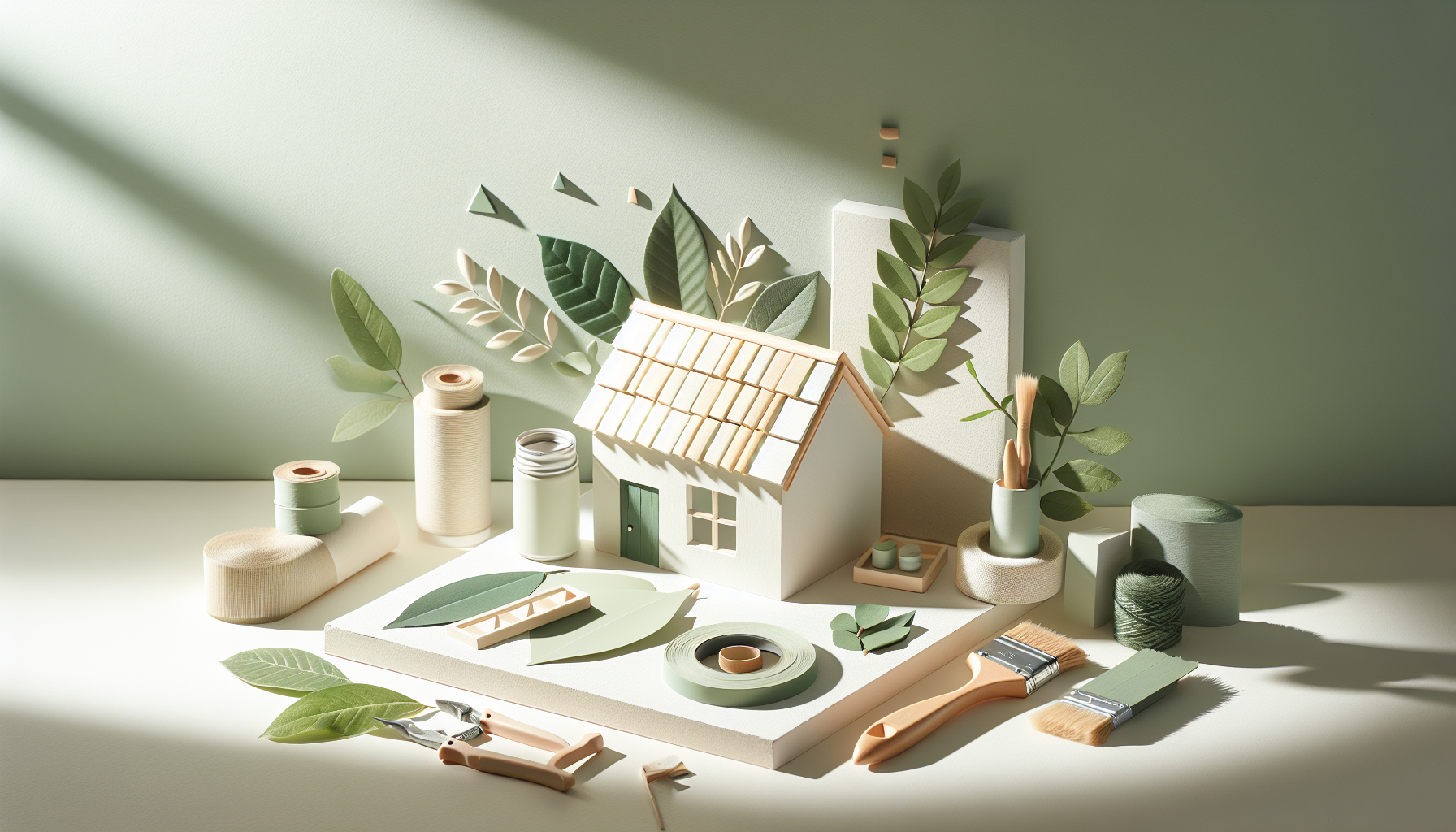
Maintaining an eco-friendly roof is not just a trend but a necessity for homeowners looking to protect their homes while safeguarding the environment. An eco-friendly roof enhances energy efficiency, utilizes sustainable materials, and has a lasting positive impact on both your home and the planet. Let’s look at the essential facts and strategies that ensure your roof is both green and durable.
Energy Efficiency and Sustainable Materials
Eco-friendly roofs often increase energy efficiency through superior insulation and reflective surfaces. Materials like recycled shingles, metal roofing, and clay tiles not only provide durability but also significantly reduce environmental impact. These solutions are particularly beneficial when considering the need to lower cooling costs during the summer months, easing the load on your air conditioner.
When selecting materials, look for those manufactured with a high percentage of recycled content. Metal roofs, for example, are fully recyclable at the end of their life, and clay tiles often require less energy to produce than asphalt shingles. Consider the following key points when evaluating materials: their longevity, maintenance needs, recyclability, and thermal performance.
Reflective coatings can often be applied to existing roofs to boost energy efficiency. These coatings reflect more sunlight and absorb less heat, thus reducing the demand for air conditioning and contributing economically and environmentally by lowering energy bills and emissions.
Practical Maintenance Tips
Regular maintenance is crucial in ensuring your eco-friendly roof lasts for decades. Begin with bi-annual inspections to catch early signs of leaks or damage. Addressing small issues promptly prevents larger, more costly repairs down the road.
- Gutter Maintenance: Keeping gutters clear of leaves and other debris is vital for proper water drainage, which prevents potential water damage and mold issues. Use a sturdy ladder and a gutter scoop to clear debris effectively. Frequency will depend on the amount and type of foliage surrounding your home.
- Vegetation Control: For those with green roofs, maintaining plant life is essential. Regularly trim and monitor the health of your vegetation, ensuring they do not become invasive or overly dense. Opt for native and drought-resistant plants to minimize water use and maintenance time.
- Eco-Friendly Cleaning: Use non-toxic cleaning solutions like vinegar or baking soda to avoid introducing harmful chemicals into the environment while maintaining roof cleanliness. Mix vinegar with water in a spray bottle for a simple cleaning solution that can tackle spots of mold and mildew.
For a biodegradable, fast-acting cleaner, consider 30 SECONDS Outdoor Cleaner, which effectively removes algae, mold, and mildew without harming your roof or the surrounding ecosystem.
Checklist for Roofing Maintenance
- Inspect your roof twice yearly for damage or wear.
- Clear gutters of debris every few months, more often in leafy areas.
- Trim overhanging branches to prevent damage.
- Trim and monitor green roof vegetation regularly.
- Use eco-friendly cleaning solutions for roofs.
Health and Safety Considerations
Roof maintenance isn't just about structural integrity; it also impacts health and safety. Moisture build-up can lead to mold and mildew, harming indoor air quality. Always prioritize safety by using proper ladders and safety gear if accessing the roof, and consider hiring professionals for potentially dangerous tasks. Common safety gear includes a harness for sloped roofs and safety helmet.
When choosing roofing materials, prioritize those free of toxic substances like formaldehyde, which can leach into the environment and affect both outdoor and indoor air quality. Consider materials rated under environmental certifications such as LEED or ENERGY STAR as guides for health-conscious choices.
Quick Safety Tips
- Always inspect and clean the roof in dry conditions to avoid slipping.
- Never work on the roof alone – have someone nearby in case of emergency.
- Wear non-slip shoes and maintain a clean, clear workspace.
- Ensure your ladder is on a stable surface and extend it at least three feet above the roof edge.
Broader Environmental Impacts
An eco-friendly roof has far-reaching environmental benefits. By selecting durable materials and ensuring proper maintenance, you drastically reduce the waste sent to landfills. Additionally, adopting cool roof technologies and integrating solar panels can significantly reduce your carbon footprint.
Cool roofs, particularly in urban areas, help combat the urban heat island effect by reflecting more sunlight and absorbing less heat, keeping the local climate cooler. This also helps local species adapt to temperature changes and aids in biodiversity conservation.
Solar panels are a green powerhouse for roofs. They not only provide a source of renewable energy but can also reduce the energy costs of running a household. However, proper installation is key, so always employ experienced professionals for setting up a solar system.
Consider employing rainwater harvesting systems to collect water for non-potable uses. This practice not only reduces your dependency on municipal water supplies but also promotes efficient water use within your home. Install barrels at downspouts and use this harvested water for garden watering or car washing.
Common Mistakes to Avoid
Many homeowners fall into traps that can reduce the lifespan of their eco-friendly roofs. Here’s how to avoid them:
- Neglecting Inspections: Skipping regular inspections can lead to unnoticed damages that escalate over time. Stick to a bi-annual schedule.
- Improper Debris Management: Allowing leaves and branches to accumulate can trap moisture and invite pests. Regularly clear your roof and gutters.
- Using Harsh Chemicals: Harsh cleaning agents can degrade roofing materials. Stick with eco-friendly, non-toxic alternatives.
FAQs
What types of roofs can be considered eco-friendly? Green roofs, metal roofs, and those equipped with solar panels or reflective coatings are considered eco-friendly due to their energy efficiency and sustainability.
How can I make my existing roof more eco-friendly? Adding reflective coatings or installing solar panels can significantly improve energy efficiency. Switching to eco-friendly cleaning practices and integrating a rainwater harvesting system are other practical steps.
Is it worth the cost to switch to an eco-friendly roof? Though the initial investment might be higher, eco-friendly roofs often pay for themselves over time through energy savings, reduced maintenance costs, and increased property value.
By incorporating these eco-friendly practices, you can create a roof that doesn't just shelter your home but also acts as a sentinel of sustainability. Adopting these strategies means lower energy costs, a reduced environmental footprint, and a healthier living space for you and future generations.
Every small action nurtures a greener tomorrow. Let your roof be a steadfast guardian of your home and the planet.
As an Amazon Associate, The Clean Code earns from qualifying purchases.
Featured Product

30 SECONDS Outdoor Cleaner
The 30 SECONDS Outdoor Cleaner is a biodegradable, fast-acting cleaner that removes algae, mold, and mildew from roofs, making it an ideal eco-friendly choice for maintaining your roof’s appearance and longevity without harmful chemicals.
View on Amazon →You May Also Like

10 Non-Toxic Cleaning Hacks for a Healthier Home
10/9/2025
Switch your home to safe and simple alternatives with these easy DIY cleaning tricks.
Read More →

The Clean Cookware Guide: Healthier Materials for Everyday Cooking
10/11/2025
Discover which cookware materials are safest for your health and how to build a toxin-free kitchen.
Read More →
Eco Cleaning Tools That Actually Work
10/13/2025
Swap plastic sponges and wasteful paper towels for durable, sustainable tools that clean better and last longer.
Read More →