How to Transition to a Minimalist, Eco-Friendly, Zero-Waste Bathroom
5/8/2026
⏱ 7-minute read
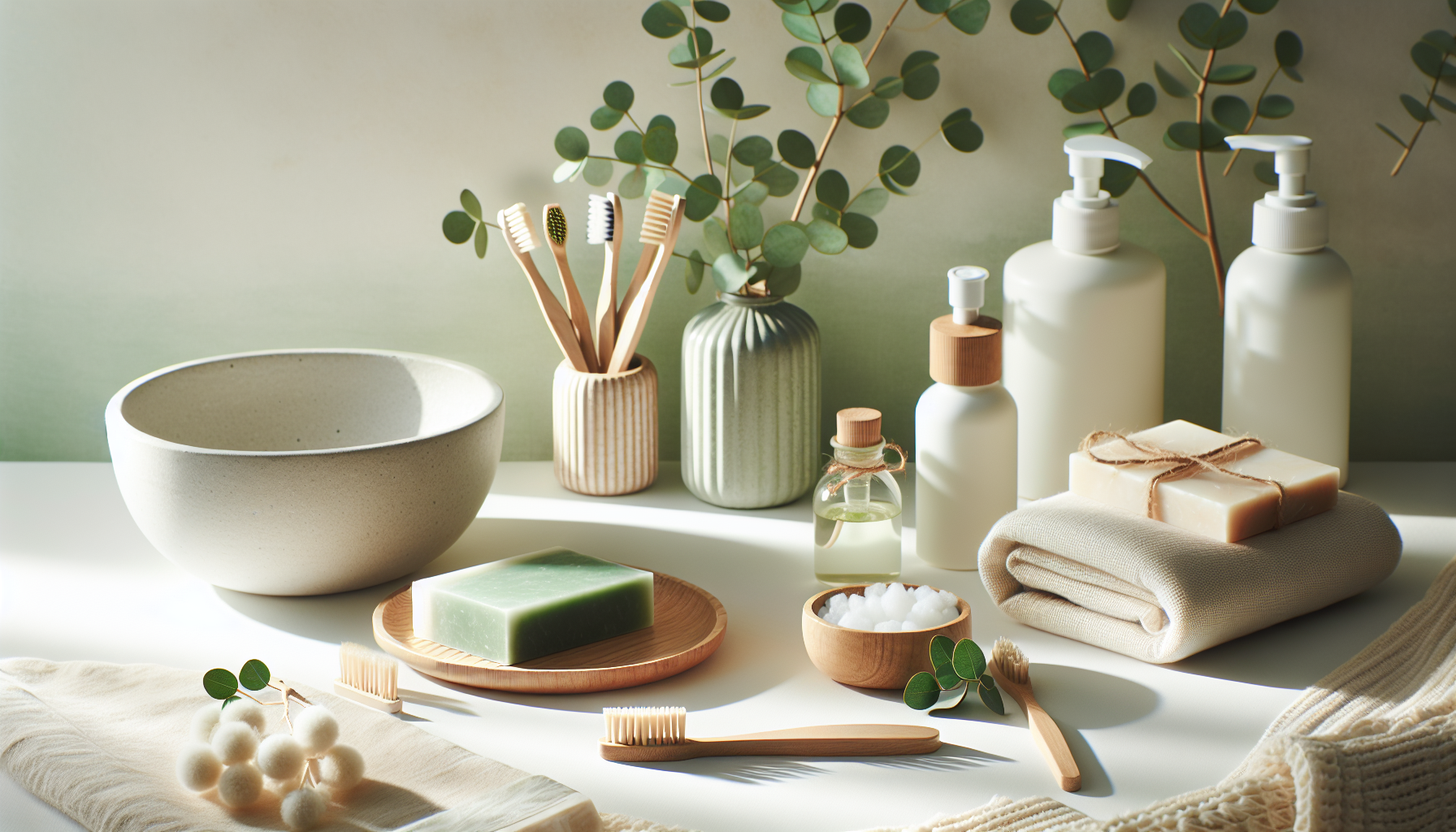
Welcome to a transformative journey where your bathroom becomes not only minimalist and visually appealing but also a hub of sustainability and zero waste. Transitioning to such a setup not only positively impacts the environment but also enhances your daily life with simplicity, cleanliness, and conscious choices. Let's detail the steps required to make this transformation a reality.
Begin with Decluttering and Audit
The first step is to assess and declutter. Start by taking a comprehensive inventory of your bathroom items. Lay out everything on a flat surface and group them into categories such as daily essentials, occasionally used items, and rarely or never used products. This visual mapping helps you identify what’s truly necessary.
Once categorized, remove expired, duplicate, and non-essential products. Store items you use less frequently in clearly labeled bins, while disposing of others in an environmentally friendly way—recycle containers or repurpose them if possible. Decluttering not only streamlines your space but also paves the way for a more focused, sustainable bathroom.
Conduct an audit of the waste you generate to establish a baseline for improvement. Track the amount and types of waste—note if you're often discarding plastic packaging or unused products. Maintain a waste log for a week, which can reveal patterns and pinpoint the most effective areas for change.
A quick-start checklist for decluttering:
- Gather all bathroom items in one place.
- Categorize into daily use, occasional, and surplus.
- Dispose of or recycle unnecessary items responsibly.
- Sort and store essentials for easy access.
- Set up a tracking sheet for weekly waste audit.
Choosing Sustainable Toiletries
Switching to sustainable toiletries can significantly reduce your environmental footprint. Here’s how you can make conscious choices in everyday personal care items:
- Toothbrushes: Opt for toothbrushes made from bamboo, a fast-growing, renewable resource. Bamboo handles decompose naturally, unlike plastic, which lasts indefinitely in landfills.
- Toothpaste and Floss: Consider toothpaste tablets; they often come in recyclable glass jars. As for floss, seek out silk varieties in biodegradable containers. Avoid conventional floss made from nylon, which contributes to marine plastic pollution.
- Cleansing Products: Choose bar soaps and shampoo bars crafted from natural ingredients and devoid of synthetic fragrances. Not only do they reduce reliance on plastic bottles, but they often come in cardboard or minimal wrapping that can be composted or recycled.
- Deodorants: Select deodorants that come in refillable containers or are package-free, made from non-toxic ingredients like baking soda and essential oils.
When purchasing toiletries, scrutinize ingredient lists. Avoid parabens, sulfates, and artificial scents, which are harmful to health and the environment. Opt instead for products certified organic or cruelty-free.
Common mistakes to avoid when switching to eco-friendly toiletries:
- Not researching product sustainability credentials.
- Overbuying 'green' products without using up current supplies.
- Disposing of non-biodegradable packaging incorrectly.
Implement Water and Energy Savings
Reducing water and energy consumption in your bathroom doesn't just save money but also conserves vital resources. Here’s how you can make impactful changes:
- Water Management: Install low-flow showerheads and faucet aerators to cut water usage without sacrificing water pressure. A dual-flush toilet allows for varied levels of water use depending on needs, helping to significantly lower daily water consumption.
- Shower Times: Aim to reduce shower times; even a minute less saves gallons of water over time.
- Energy Efficiency: Replace incandescent bulbs with LED lights, which use a fraction of the energy and last significantly longer, saving on replacement costs as well.
- Ventilation: Ensure proper air circulation using efficient exhaust fans to prevent mold, which compromises indoor air quality and health.
Quick-start checklist for water and energy savings:
- Test current water flow rates and replace high-flow nozzles.
- Install LED lighting and consider motion sensor lights to reduce consumption.
- Regularly inspect for leaks in taps and toilets to fix water wastage.
Embrace Reusable and Zero-Waste Options
Adopting reusable items can dramatically lower disposable waste. This transition to reusables requires intent and planning:
- Razors: Switch to a reusable safety razor with changeable blades. Though the initial investment is higher, the lifetime cost is lower and more sustainable compared to disposable options.
- Cotton Rounds: Use washable cotton rounds for makeup removal and facial cleansing instead of single-use options.
- Menstrual Products: Consider menstrual cups or absorbent reusable pads. Many options are available that last for years and significantly reduce monthly waste.
- Towels: Switch to quick-dry options made from organic cotton or bamboo, reducing the need for frequent washing.
For a seamless transition, slowly introduce reusable items and phase out disposables as you run out.
Common mistakes to steer clear of in this process:
- Underestimating the initial cost or time to adapt to reusables.
- Incorrect maintenance, such as neglecting to wash cotton rounds correctly, leading to reduced lifespan.
Sustainable Textiles and Decor
Textiles and decoration choices can reflect your commitment to a sustainable lifestyle. Here are thoughtful options to consider:
- Towels and Bath Mats: Opt for textiles made from organic cotton or bamboo. These materials are not only sustainable but also hypoallergenic and softer after each wash.
- Shower Curtains: Avoid vinyl and instead look for linen or organic cotton options without harmful coatings, ensuring they’re biodegradable at the end of their lifecycle.
- Natural Decor: Minimize clutter with multifunctional pieces made from stone, glass, or wood. Not only do they lend a minimalist aesthetic, but they are also durable and recyclable.
To maintain a cohesive eco-friendly bathroom, ensure every new addition adheres to sustainability principles.
DIY Cleaning and Personal Care
Create effective and non-toxic cleaning solutions and personal care items at home for a healthier bathroom environment:
- Cleaning Solutions: Use pantry staples like white vinegar, baking soda, and lemon to make powerful cleaning agents. They can tackle everything from mold to mineral deposits without harmful chemicals.
- Personal Care: DIY face masks and scrubs using oats, honey, and essential oils can save money and eliminate packaging waste. Recipes often require few ingredients and minimal effort.
- Storage Solutions: Reuse glass jars or old tins to store your homemade concoctions, creating an aesthetic uniformity.
When crafting DIY products, label them clearly, particularly those with potent ingredients like essential oils, to prevent skin reactions. Regularly update recipes based on seasonal needs for an optimal experience.
Reuse and Recycle
Promote a circular economy within your bathroom by focusing on recycling and reusing:
- Recyclable Station: Set up a designated recycle bin to sort out materials like cardboard, glass, and certain plastics, making recycling a straightforward task.
- Composting: If space allows, compost hair clippings and nail trimmings along with other organic waste. A separate bin for biodegradable scraps could encourage composting habits.
- Product Support: Support brands offering refillable or package-free solutions, extending the life cycle of containers and reducing the need for new resources.
Ensure you’re aware of local recycling guidelines to prevent contamination of recyclable batches.
Implementing Safety and Health Considerations
Ensuring that your eco products are beneficial starts with safety and health checks:
- Patch Testing: Always patch test new cleaning or personal care products to check for allergic reactions before wider application.
- Ventilation: Incorporate houseplants like English Ivy or Boston Ferns, which thrive in humidity and help purify indoor air, counteracting common toxins.
- Storage: Prefer glass containers with secured lids to store DIY products and maintain potency without chemical leaching.
Regular Improvement and Community Engagement
Staying updated with new sustainable products and practices is essential for continual improvement:
- Continual Learning: Engage with online communities focused on eco-living, such as The Detox Dwelling, for practical guidance and new product recommendations.
- Sharing Journey: Document your progress and adaptations either through journaling or sharing in forums, motivating yourself and inspiring others in the community.
- Celebration of Milestones: Acknowledge small victories, like achieving month-long zero waste, emphasizing the tangible impact of your efforts.
Being part of a community not only enriches knowledge but reinforces the shared journey towards sustainability, magnifying individual impacts.
Every small step taken towards a minimalist, eco-friendly, and zero-waste bathroom not only contributes to a healthier environment but also enriches your personal living space. Transforming your bathroom is a lifestyle choice that nurtures both the planet and well-being. Your conscious changes make a significant impact, one bathroom at a time.
As an Amazon Associate, The Clean Code earns from qualifying purchases.
Featured Product

The Detox Dwelling: A Practical Guide to Nontoxic Cleaning for Healthier Homes and Greener Living
Top-rated eco-friendly product for How to Transition to a Minimalist, Eco-friendly Bathroom. Available on Amazon.
View on Amazon →You May Also Like
10 Non-Toxic Cleaning Hacks for a Healthier Home
10/9/2025
Switch your home to safe and simple alternatives with these easy DIY cleaning tricks.
Read More →
The Clean Cookware Guide: Healthier Materials for Everyday Cooking
10/11/2025
Discover which cookware materials are safest for your health and how to build a toxin-free kitchen.
Read More →
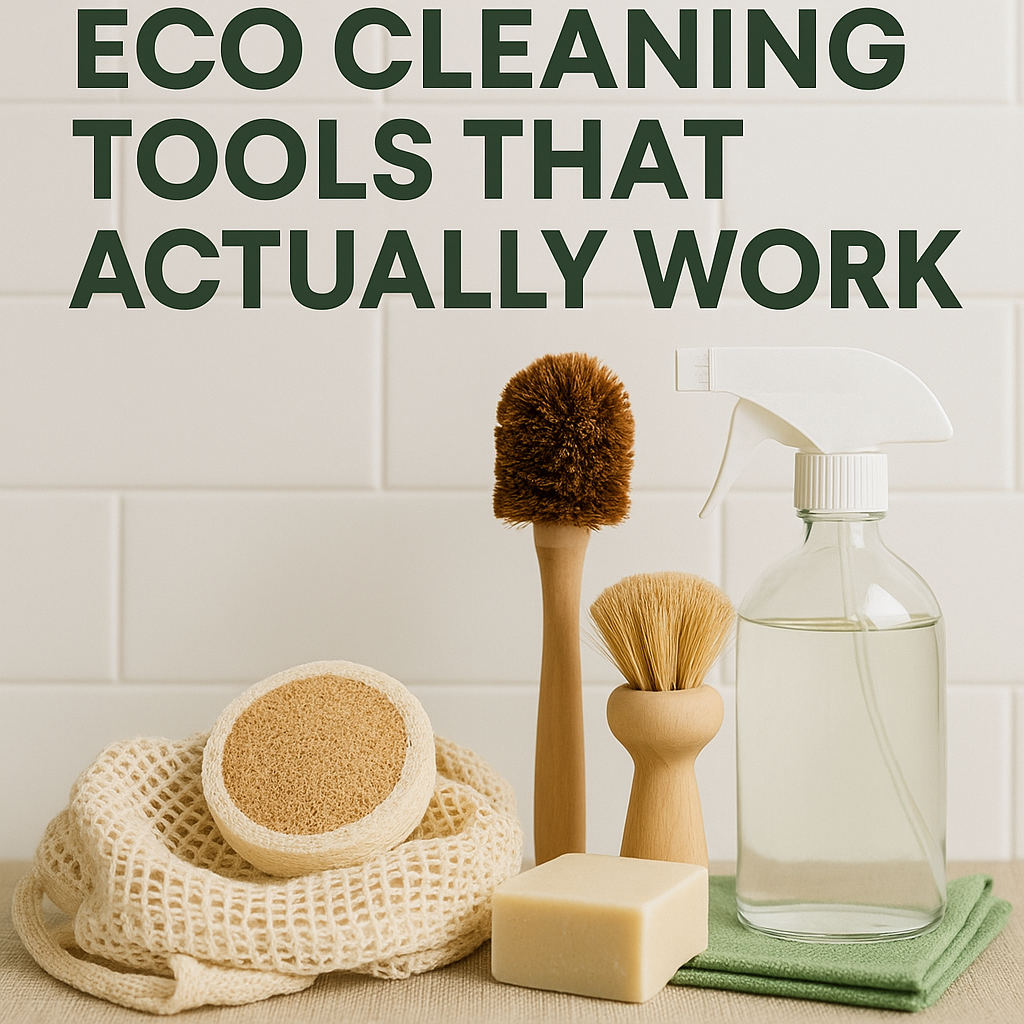
Eco Cleaning Tools That Actually Work
10/13/2025
Swap plastic sponges and wasteful paper towels for durable, sustainable tools that clean better and last longer.
Read More →