Natural Carpet Alternatives: Eco-Conscious Choices for Every Room
7/8/2026
⏱ 7-minute read
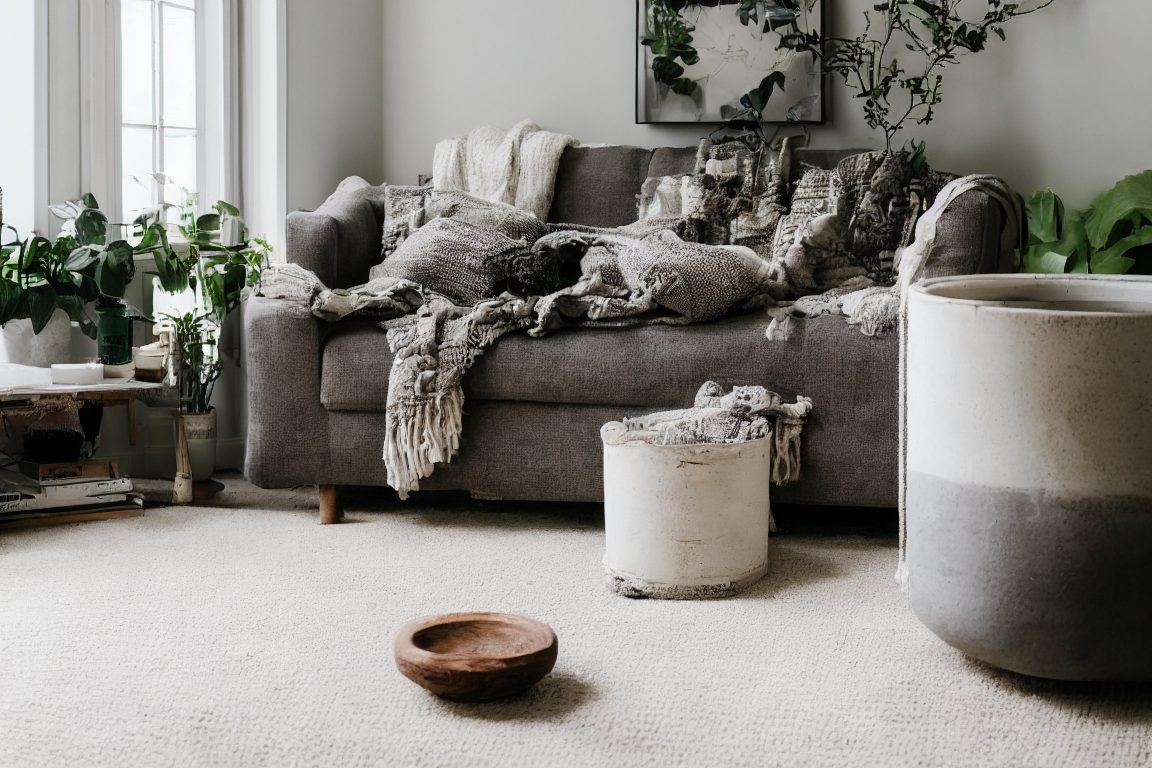
When designing a home that values both sustainability and health, selecting natural carpet alternatives is a definitive step toward creating a cleaner, greener living space. Unlike traditional synthetic carpets, natural fiber carpets are made from renewable, biodegradable materials that not only contribute to a healthier indoor environment but also reflect an eco-conscious lifestyle.
Wool: The Premium Choice
Wool carpets are lauded for their luxurious feel and incredible durability. Sourced from sheep, wool is a renewable resource where each sheep produces a new fleece annually, making it a top choice for sustainability. This natural fiber has been used for centuries and stands the test of time.
- Benefits: Wool is naturally flame retardant, biodegradable, and hypoallergenic, absorbing harmful VOCs and enhancing indoor air quality. It also acts as a natural insulator, keeping rooms warmer in the winter and cooler in the summer, thus contributing to energy savings.
- Considerations: While wool carpets can be pricier, they require specific cleaning products to maintain their pristine condition without compromising fiber integrity. Opt for pH-neutral cleaners designed specifically for wool. Routine maintenance includes vacuuming with a suction-only vacuum to avoid damaging the fibers.
When shopping for wool carpets, look for those certified by the Woolmark Company, ensuring high-quality, pure wool products. Avoid placing wool carpets in damp areas like bathrooms, as they can retain moisture, leading to mold and mildew.
- Quick-Start Checklist for Wool:
- Check for Woolmark certification
- Use pH-neutral cleaners and a suction-only vacuum
- Avoid prolonged exposure to moisture
Jute: Texture with an Eco-Friendly Touch
Derived from the stem of the jute plant, jute carpets offer a natural aesthetic with their unique earthy texture. Known for its fast growth and low pesticide requirement, jute is an incredibly eco-friendly option. Its natural, muted tones can complement both rustic and modern interiors.
- Benefits: Biodegradable and recyclable, jute is great for environmentally conscious homeowners. Jute fibers are soft and provide a unique texture underfoot, which can add a warm, inviting touch to living spaces.
- Considerations: Due to its softer texture, jute is not as resilient and is best suited for low-traffic areas such as bedrooms or formal dining rooms. Its susceptibility to humidity can be mitigated by using it in well-ventilated areas away from kitchen or bathroom moisture.
Look for unbleached, natural jute to ensure you avoid chemical treatments. Also, jute's fiber length and thickness can vary, so inspect samples to guarantee it suits your design preferences.
- Quick-Start Checklist for Jute:
- Check for unbleached, natural fibers
- Place in low-moisture, low-traffic areas
- Ensure proper ventilation
Sisal: A Durable Option
Harvested from the leaves of the agave sisalana plant, sisal is celebrated for its robustness and ability to endure high foot traffic. It's a preferred option for areas like hallways and entryways where durability is paramount.
- Benefits: Its natural stain resistance, high durability, and aesthetic versatility make it ideal for high-traffic settings. Its coarse texture not only provides a firm grip underfoot, reducing slip hazards but also makes it an excellent choice for stair runners.
- Considerations: While sisal is durable, its rough texture can be uncomfortable for barefoot areas or for families with small children. Consider blending sisal with other softer fibers for areas where comfort is desired. Avoid exposure to high moisture and direct sunlight to prevent damage and discoloration.
When selecting a sisal carpet, look for tightly woven designs for enhanced durability. It's also advisable to seek options with a latex backing to reduce slipping and extend the carpet's life.
- Quick-Start Checklist for Sisal:
- Check for tightly woven patterns
- Consider latex backing for added durability
- Avoid high moisture and direct sunlight
Seagrass: Resistance with Renewable Roots
Seagrass carpets are crafted from the fibers of marine plants harvested in marshes. They are cherished for their resilience and natural dull sheen, offering a touch of organic elegance to home décor.
- Benefits: These carpets are naturally water- and stain-resistant due to their non-porous surface, making them a practical choice for areas prone to spills. Their ability to repel water also helps them resist mold and mildew development, which is excellent for environments with varied humidity levels.
- Considerations: While highly resistant to water, prolonged exposure to excessive moisture should be avoided to prevent warping or mold growth on the backing material. Seagrass is best in areas with moderate moisture levels and should be kept out of basements or poorly ventilated spaces.
Look for seagrass carpeting that is treated with UV protectant to preserve color when exposed to sunlight. Their naturally smooth texture makes them compatible with underfloor heating systems, adding versatility to their use in various climates.
- Quick-Start Checklist for Seagrass:
- Ensure UV protection for sunlight exposure
- Avoid excessive moisture
- Consider use with underfloor heating
Cotton: Comfort and Versatility
Cotton offers a splendidly soft and forgiving surface, making it suitable for a variety of spaces from cozy area rugs to family rooms where comfort plays a notable role.
- Benefits: Cotton rugs are remarkably easy to maintain, with many being machine washable, lowering their lifecycle cost. They often come in vibrant colors thanks to natural, chemical-free dyes, adding aesthetic flexibility to your living spaces.
- Considerations: In terms of durability, cotton does not compare to other harder fibers like sisal or wool, making it less ideal for high-traffic zones. It absorbs moisture quickly, which can increase wear over time if not dried promptly. For high-traffic or spill-prone areas, consider a blend with more durable fibers.
When choosing a cotton carpet, consider organic options that ensure no harsh chemicals were used in production. These often come with certification from organizations like GOTS, ensuring a fully eco-friendly product lifecycle.
- Quick-Start Checklist for Cotton:
- Opt for organic, certified options
- Ensure machine washability
- Best for low-traffic, cozy areas
Coir: Strength from the Shore
Produced from the husk of coconuts, coir carpets are highly durable and suitable for entryways, mudrooms, and other areas demanding sturdy flooring solutions.
- Benefits: Coir is incredibly resistant to wear and tear, and its naturally coarse texture makes it excellent for scraping dirt and debris from shoes, performing well as doormats or entrance area carpets.
- Considerations: Coir's rough, bristly texture may not be comfortable underfoot for seating areas. It is also less water-resistant than seagrass, so it should be used in covered or enclosed spaces where minimal water exposure occurs.
Look for coir carpets made from natural, undyed fibers to maximize their environmental benefits. Consider them primarily for utilitarian areas where their robust nature can be fully utilized.
- Quick-Start Checklist for Coir:
- Focus on natural, undyed fibers
- Ideal for utilitarian, high-dirt areas
- Limit water exposure
Health and Safety Benefits of Natural Carpets
Natural carpets provide a healthier alternative to synthetic ones, minimizing exposure to chemicals like flame retardants and volatile organic compounds (VOCs) typically found in traditional carpets. This reduction in chemicals significantly lowers indoor air pollution, improving air quality and providing a safer environment for those with allergies or respiratory sensitivities.
How do natural fibers improve indoor air quality?
Many natural fibers, such as wool, have properties that actually absorb VOCs and other pollutants, effectively cleaning the air. They do not emit harmful chemicals, ensuring that the air children and pets breathe is less contaminated.
Are there certifications to look for?
Yes, look for carpet certifications such as OEKO-TEX, Green Label Plus, and GOTS. These ensure the product has passed stringent tests for chemicals and pollutants.
Practical Tips for Selecting and Maintaining Natural Carpets
Consider the following when choosing your natural carpets:
- Maintenance: Regular vacuuming and prompt spill cleaning help prolong carpet life, avoiding buildup of dust and grime. Wool benefits from professional cleaning by services that specialize in natural fibers to maintain integrity.
- Placement: Understand the purpose of the room and anticipated foot traffic. High-durability options like sisal or coir are optimal for high-use areas, while wool or cotton fit beautifully into bedrooms.
- Eco-Friendly Certification: Look for labels from organizations like the Global Organic Textile Standard (GOTS) or OEKO-TEX to ensure environmentally friendly production. Certifications indicate standards of manufacturing that reduce harm to the environment.
Explore our curated selection of natural carpet cleaners to keep your home fresh while maintaining eco-friendly principles.
By choosing natural carpet alternatives, you support a sustainable future for our planet while enjoying a healthier, more appealing home environment. Let each step you take in your living space be one that aligns harmoniously with nature.
As an Amazon Associate, The Clean Code earns from qualifying purchases.
Featured Product

Fabulous Frannie All Natural Ingredients No Synthetics Lemon - Lavender Scent Carpet Refresher made with Pure Essential Oils 13 Ounce (Pack of 1)
Top-rated eco-friendly product for Natural Carpet Alternatives: Eco-Conscious Choices for Every Room. Available on Amazon.
View on Amazon →You May Also Like
10 Non-Toxic Cleaning Hacks for a Healthier Home
10/9/2025
Switch your home to safe and simple alternatives with these easy DIY cleaning tricks.
Read More →
The Clean Cookware Guide: Healthier Materials for Everyday Cooking
10/11/2025
Discover which cookware materials are safest for your health and how to build a toxin-free kitchen.
Read More →
Eco Cleaning Tools That Actually Work
10/13/2025
Swap plastic sponges and wasteful paper towels for durable, sustainable tools that clean better and last longer.
Read More →