
Natural Alternatives to Common Home Renovation Materials
4/22/2026
⏱ 7-minute read
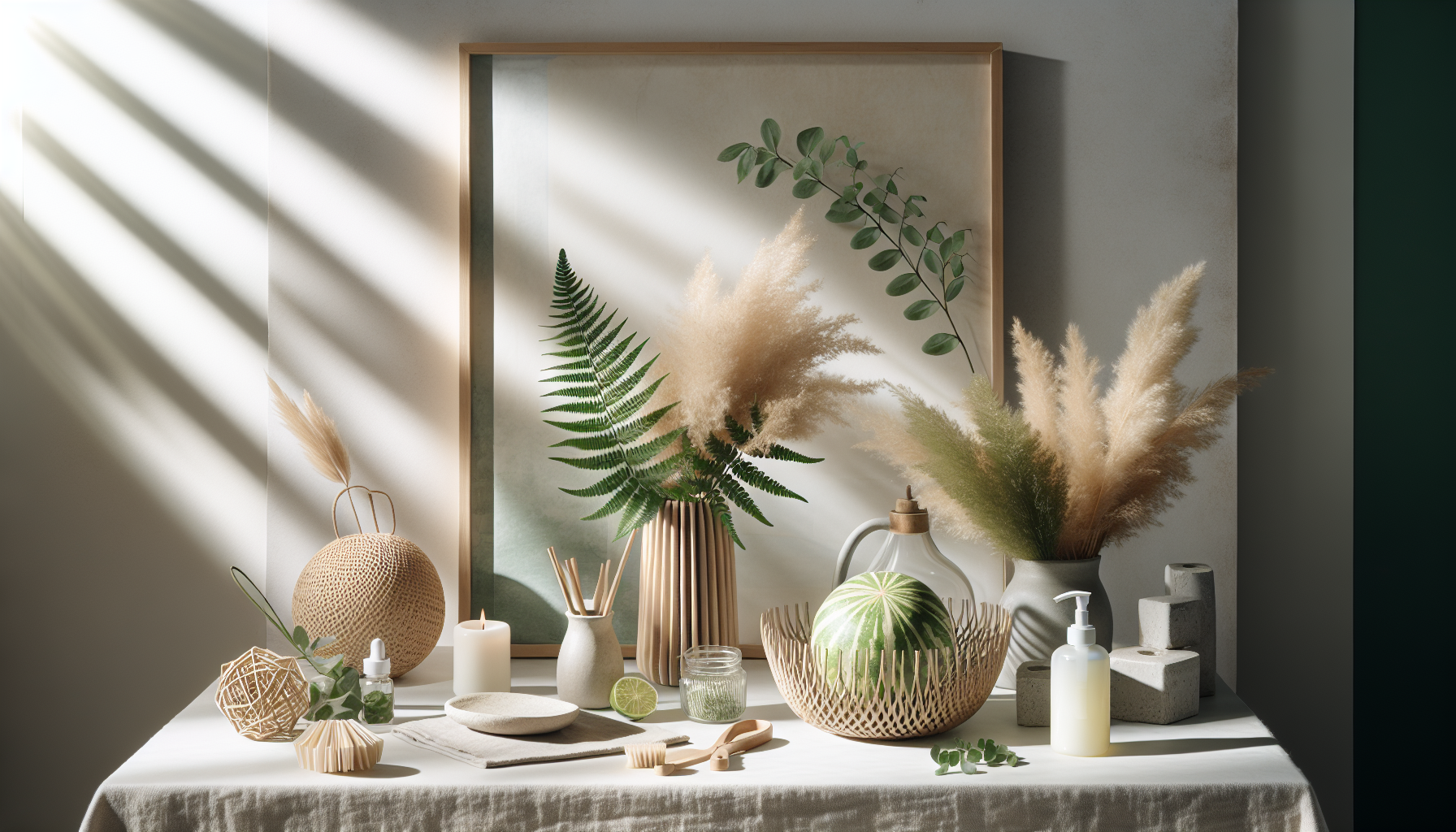
Renovating your home is a significant undertaking, not just in terms of cost and time, but also in its potential impact on the environment and your health. By selecting natural alternatives to conventional building materials, you can create a space that is both beautiful and in harmony with the planet. Here are some eco-friendly options to consider when planning your next home improvement project.
Eco-Conscious Flooring Choices
Finding the right flooring is essential for setting the tone of your home, both in style and sustainability. Consider bamboo and cork as two excellent options. Eco-friendly flooring not only enhances your home's aesthetic but also contributes to a healthier indoor environment. Understanding the properties and benefits of these materials will help you make informed choices.
Bamboo Flooring:Opt for bamboo flooring which is rapidly renewable, durable, and emits low levels of volatile organic compounds (VOCs), ensuring better indoor air quality. Bamboo grows swiftly and requires fewer pesticides, making it a sustainable resource. When choosing bamboo flooring, look for certifications such as FSC (Forest Stewardship Council) to ensure the product comes from responsibly managed forests. Also, inquire about the type of finish applied; non-toxic, natural finishes will further enhance indoor air quality. It's crucial to avoid bamboo mixed with formaldehyde-based glues to prevent harmful emissions.
Cork Flooring:Cork is renewable and biodegradable, providing natural insulation and hypoallergenic properties. It's soft and resistant to mold, making it a superb choice for family homes. When opting for cork flooring, consider the thickness of the material and its protective layer. A natural wax sealant can offer enhanced durability and protection against scratches and dents. Cork is naturally fire-resistant and acts as a sound dampener, adding to its appeal for noise reduction in multi-level homes.
- Quick-Start Checklist for Sustainable Flooring:
- Verify certifications like FSC.
- Choose non-toxic finishes and glues.
- Consider the lifespan and maintenance needs of the flooring.
Insulation Innovations
A well-insulated home not only conserves energy but also contributes to a healthier indoor environment. Two natural insulation options to consider are wool and recycled cotton. Proper insulation is vital for reducing your energy consumption and maintaining comfortable indoor temperatures.
Wool Insulation:Wool is naturally fire-resistant and free from harmful chemicals, offering excellent thermal and acoustic properties. Choosing non-compressed wool batts can provide better insulation efficiency. Wool inherently regulates humidity due to its hygroscopic nature, absorbing and releasing moisture without feeling damp. When selecting wool insulation, check for products that are chemical-free and opt for untreated wool to maintain its natural benefits.
Recycled Cotton (Denim) Insulation:Made from recycled materials, denim insulation helps reduce landfill waste. It’s non-toxic, safe to handle, and often treated with natural fire retardants. Ensure it is sourced from post-consumer recycled denim to enhance eco-friendliness. Denim insulation is easy to install and offers soundproofing benefits as well. Always verify the recycled content to ensure maximum sustainability.
- Insulation Installation Tips:
- Wear protective gear to prevent irritations during installation.
- Ensure a tight fit to avoid thermal bridging.
- Check for certifications of recycled content.
Healthy Paint Alternatives
Conventional paints often contain harmful VOCs. Natural paints made from ingredients such as clay, milk casein, and natural pigments are healthier alternatives. They are free from synthetic chemicals, promoting better air quality in your home. Choosing natural paints can significantly reduce indoor pollution and the health issues associated with it, such as headaches and respiratory problems.
Types and Benefits: Clay paints are excellent for absorbing odors and regulating humidity. Milk paints, derived from milk protein, offer a durable matte finish and can be customized with natural pigments for color. These options are biodegradable and easy to clean with natural soap and water.
Common Mistakes and How to Avoid Them: One common mistake when using natural paints is not adequately preparing the surface, which can affect the paint's adhesion and durability. Always clean and prime surfaces first. When buying, examine the labels for synthetic additives. Some 'natural' paints may still contain small amounts of chemical preservatives, so look for products with complete ingredient transparency.
- Checklist for Selecting Healthy Paints:
- Choose paints with full ingredient disclosure.
- Look for certifications indicating low or no VOCs.
- Test a small patch first to gauge color and finish.
Sustainable Countertops
For eco-friendly countertops, consider recycled glass or paper composite options that provide durability with unique aesthetic appeal. Your choice of countertops can drastically affect not only the look of your kitchen but also your carbon footprint.
Recycled Glass Countertops:These are created from post-consumer glass bound with non-toxic resins. They are both durable and stylish, requiring a low-VOC sealant to maintain good air quality. Recycled glass countertops are available in a range of colors and patterns, offering a distinct and modern look. They are heat and stain-resistant, but require care to avoid chipping. When purchasing, inquire about the percentage of recycled content to ensure maximum sustainability.
Paper Composite Countertops:Made from recycled paper and resins, these countertops offer a sleek and sustainable finish. Look for FSC-certified paper to ensure responsible sourcing. Paper composite countertops are durable yet lightweight and have a warm, soft touch, unlike traditional stone. They can be refinished easily to remove scratches, making them a practical choice for busy kitchens.
- Countertop Care Tips:
- Use cutting boards to prevent scratches.
- Avoid harsh chemicals during cleaning to preserve surface finishes.
- Seal regularly to maintain water resistance and luster.
Natural Wall Finishes
Using natural plaster for wall finishes can regulate humidity and bridge aesthetic flexibility with health safety due to its mineral-based ingredients. Ensure a professional application for the best results. Natural plasters, such as lime and clay, provide an earthy, tactile surface that can be custom-tinted to suit any decor.
Installation Insights: Proper application involves multiple thin layers, allowing each to dry thoroughly before applying the next to prevent cracking. Natural plaster can also reduce indoor allergens and doesn't emit VOCs, maintaining a healthy indoor environment.
Consider Eco-Friendly Roofing
Reclaimed wood shingles offer a recyclable and biodegradable roofing option, packing natural insulation. However, they require treatment for fire resistance. Verify the origin to avoid any prior chemical treatments. Reclaimed wood shingles give your home a rustic, timeless appearance while being gentle on the planet.
Buying and Installation Tips: When selecting reclaimed wood, ensure it has been free from harmful treatments in its previous lifecycle. Engage professionals to install wood shingles correctly, as improper installation can lead to leaks or increased maintenance requirements. Regular treatments with a non-toxic sealant will extend the life of your wooden roof.
Common Mistakes in Eco Renovations
Taking on an eco-friendly renovation involves new materials and methods. Here are common missteps and how to avoid them:
- Ignoring Certifications: Always verify certifications to ensure product claims are legitimate.
- Underestimating Maintenance: Natural materials often require more regular maintenance. Plan for it in your renovation strategy.
- Overlooking Local Options: Sourcing materials locally can significantly reduce carbon footprints and support your community.
General Tips for a Green Renovation
- Certification and Labels: Look for materials certified by environmental standards like GreenGuard, FSC, or LEED. These certifications assure you that the product meets stringent environmental protection standards.
- Lifecycle Consideration: Prioritize materials with low environmental impacts throughout their lifecycle. This involves not just production and use, but end-of-life disposal and the energy needed for maintenance.
- Local Sourcing: Choose locally sourced materials to reduce transportation-related carbon footprints. Supporting local businesses boosts the local economy and can make sourcing replacement materials quicker and easier.
By investing time into finding the right materials, you can significantly reduce your home's environmental impact and ensure a healthier, more sustainable living space for your family.
Take the first step to a more sustainable home today and inspire others around you to follow the path of eco-friendly living.
As an Amazon Associate, The Clean Code earns from qualifying purchases.
Featured Product

CorkRoll - Natural Cork Roll
The Manton CorkRoll offers a sustainable and natural alternative to synthetic wall coverings and surfaces. Made from renewable cork oak trees, it is a versatile and eco-friendly choice for DIY home renovation projects.
View on Amazon →You May Also Like
10 Non-Toxic Cleaning Hacks for a Healthier Home
10/9/2025
Switch your home to safe and simple alternatives with these easy DIY cleaning tricks.
Read More →

The Clean Cookware Guide: Healthier Materials for Everyday Cooking
10/11/2025
Discover which cookware materials are safest for your health and how to build a toxin-free kitchen.
Read More →
Eco Cleaning Tools That Actually Work
10/13/2025
Swap plastic sponges and wasteful paper towels for durable, sustainable tools that clean better and last longer.
Read More →