Natural Mold Prevention and Remediation Techniques
5/5/2026
⏱ 7-minute read
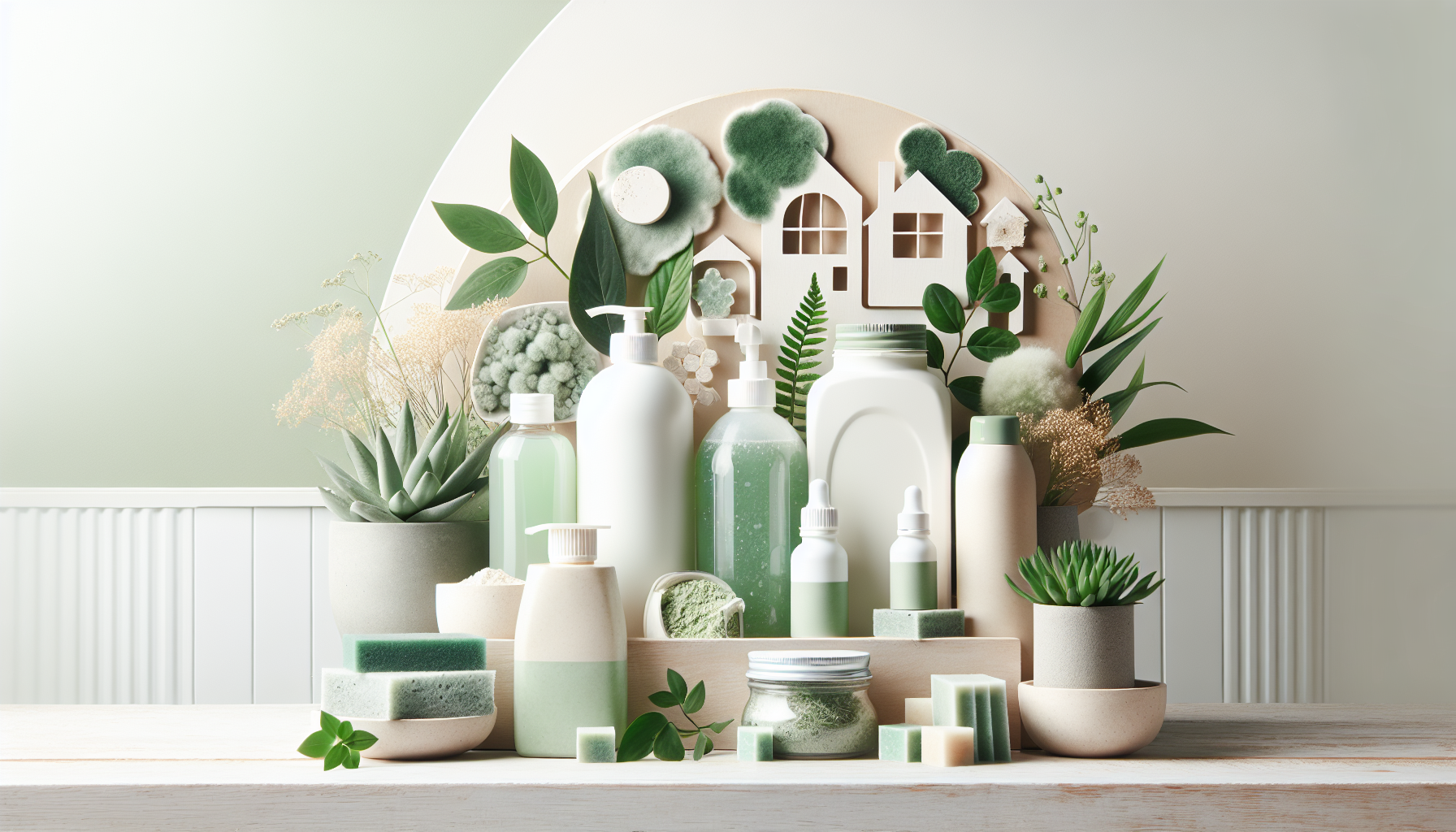
Mold in the home is not just an unsightly nuisance; it poses significant health risks and can damage your property. With moisture-loving fungi such as mold being common in humid environments, preventing and remediating mold naturally is crucial for sustaining a healthy home. Here, we dive into effective methods to naturally combat mold, ensuring your living space is safe and environmentally friendly.
Understanding Mold
Mold is a type of fungus that thrives in moist, warm conditions. Common indoor varieties include Aspergillus, Cladosporium, and the notorious Stachybotrys chartarum, or black mold. Exposure to these molds can lead to respiratory issues, allergies, and skin irritations. Thus, recognizing and managing mold growth is vital for health. Mold reproduces by releasing tiny, lightweight spores that travel through the air. When they land on damp spots, they start to grow and digest the material they land on to survive, spreading rapidly if not addressed. Knowledge of the different types of mold prevalent in homes can help in diagnosing problems effectively and choosing the right remediation technique.
Testing for mold can sometimes be necessary to confirm its presence, especially when visible signs are not apparent. While professional mold inspection services are available, DIY mold test kits can offer a preliminary understanding and can guide further action. It's crucial to regularly monitor areas known for moisture buildup for any signs of mold growth, such as discoloration, peeling paint, or a persistent musty smell. Even small sings of potential growth should be investigated promptly.
Prevention Tips
Moisture Control
The first step in mold prevention is moisture control. Ensuring your home has adequate ventilation in high-humidity areas is pivotal. Install and use exhaust fans in bathrooms and kitchens to swiftly eliminate moisture generated from activities like showering and cooking. Additionally, placing a ceiling fan in rooms that often remain closed, both in use and unused, can help circulate air and stabilize the room's environment. Regularly open windows to let fresh air circulate when weather permits, which also helps in reducing humidity levels indoors. Investing in hygrometers can assist in monitoring indoor humidity levels, ensuring they remain below the critical 50% threshold.
Dehumidifiers can be great allies in combating moisture, particularly in basements or during wet months. Choose a model that fits your room size and look for features such as automatic humidity settings and continuous drain options for convenience and efficiency. Likewise, air conditioning units can help manage humidity levels by removing excess moisture from the air.
Address leaks promptly, an often underestimated contributor to mold issues. Conduct routine checks of plumbing, roofs, and basements for potential leaks or seepage. Fixing small issues, such as a loose pipe connection or deteriorated roof shingle, can prevent not just mold but extensive structural damage over time.
Natural Mold Inhibitors
Embrace natural solutions to inhibit mold growth effectively. Tea tree oil, an essential oil with strong antifungal properties, can act as a preventative barrier. A solution with one teaspoon of tea tree oil and one cup of water applied to surfaces prone to mold creates a hostile environment for spores. Spray the mixture on bathroom tiles, basement walls, or window frames and leave it to dry naturally for the best effect.
Vinegar, with its high acidity, incapacitates mold spores. Use it undiluted in a spray bottle to clean and sanitize your home surfaces extensively. It's safe for most areas, but testing a small spot first, especially on sensitive materials, is wise. For comprehensive protection, a regular routine of spraying and wiping with vinegar can significantly reduce mold likelihood.
Baking soda not only serves as an abrasive but also helps remove moisture, another excellent defense against mold. A simple recipe involves sprinkling baking soda on the surface in question and then dampening it with water before scrubbing and wiping clean. Keeping an open box of baking soda in cupboards or under sinks can help absorb excess moisture passively.
Remediation Techniques
DIY Mold Removal
When mold is present, clearing it using natural, safe remedies can be both efficient and environmentally conscious. Start with vinegar on non-porous surfaces. Spray generously, ensuring the solution doesn't miss any spot, and allow it to sit for an hour before wiping it away. This time allows the vinegar to soak in and break down the mold structure.
For mold on grout or bathroom tiles, a baking soda paste made with water can prove highly effective. Apply directly on the mold, scrub gently with a brush or a cloth, then rinse thoroughly. This method works well because the abrasive nature of baking soda coupled with its moisture-absorbing qualities is tough on mold yet gentle on surfaces.
A 3% hydrogen peroxide solution is another useful option. It whitens, disinfects, and tackles mold simultaneously. Generously spray, leave it to sit for at least 10 minutes, then scrub the area. Its antibacterial properties make hydrogen peroxide ideal for use in kitchens and bathrooms.
Safety Precautions
Safety should always come first in any cleaning procedure. Mold spores can aggravate respiratory conditions, so ensure you are protected with gloves, an N95 mask, and goggles to avoid inhalation or skin exposure. Isolating the area being cleaned by closing off doors or draping plastic sheets helps prevent the spread of spores to unaffected parts of your home.
During cleaning, maintain proper ventilation by opening windows or employing fans to direct spores out instead of letting them recirculate. Furthermore, if the potentially affected area is extensive or winds up causing much exposure, consider professional mold removal to ensure thorough and secure treatment.
Health and Safety Angles
Immediate response upon detecting mold is critical to avoid health repercussions and costly home repairs. Regular inspection of potential hot spots, such as under sinks, around bathroom tiles, and in basements, is part of a proactive mold management strategy. Train yourself to look for warning signs: changes in surface textures, unpleasant scents, or increased allergy symptoms.
DIY test kits can confirm mold presence inexpensively, offering a viable first step in identifying and quantifying mold issues before considering professional mold inspection services. Organizations such as the EPA provide guidelines on mold mitigation, and following these trusted resources can help shape an effective home protection plan.
Besides physical symptoms, be aware of the potential psychological stress that mold presence can induce. Nurturing a mold-free environment implies peace of mind in maintaining a secure, healthy habitat for household members.
Practical Advice for Eco-Friendly Living
Opting for natural cleaning products is key in maintaining eco-friendly homes. Ingredients such as vinegar, baking soda, and essential oils not only manage mold but reduce reliance on harsh chemicals. Minimize chemical-based cleaners where possible, as their usage can offset attacks on mold, leading to both cost savings and reduced environmental impact.
Select sustainable building materials during home renovations or constructions. Alternatives like cork flooring or bamboo provide antifungal properties and enhance indoor aesthetic with resilient durability. Additionally, these materials are more environmentally responsible, contributing to a reduced carbon footprint.
Remember, consistency is paramount. Implement routine cleanings and keep up with necessary repair work. This mitigates moisture buildup, maintains resilient barriers against mold, and ensures an eco-friendly, healthy home. Mold-free living doesn't demand intensive effort but requires a dedicated and informed approach.
Common Mistakes
Despite best intentions, certain mistakes can hinder mold management efforts. Overlooking small leaks, underestimating ventilation needs, or failing to adopt regular maintenance schedules are common pitfalls. Moreover, relying too heavily on chemical cleaners without addressing root causes like moisture can offer only short-lived results.
Avoid assuming that mold is normal or harmless. Especially in humid climates, what might appear as inevitable could actually be mitigated through disciplined humidity monitoring and effective preventive measures. Always act on mold sightings promptly, regardless of how small they may seem.
Remember, each small step towards natural living contributes to a larger impact. Embrace these mold management techniques, and let every breath in your home be a sigh of fresh, healthy air.
As an Amazon Associate, The Clean Code earns from qualifying purchases.
Featured Product

EcoClean Solutions Mold Remover
EcoClean Solutions Mold Remover is a natural solution designed to effectively eliminate mold, mildew, and stains without the use of harsh chemicals. Safe for both the environment and your home, it's an essential tool for maintaining a healthy, mold-free living space.
View on Amazon →You May Also Like
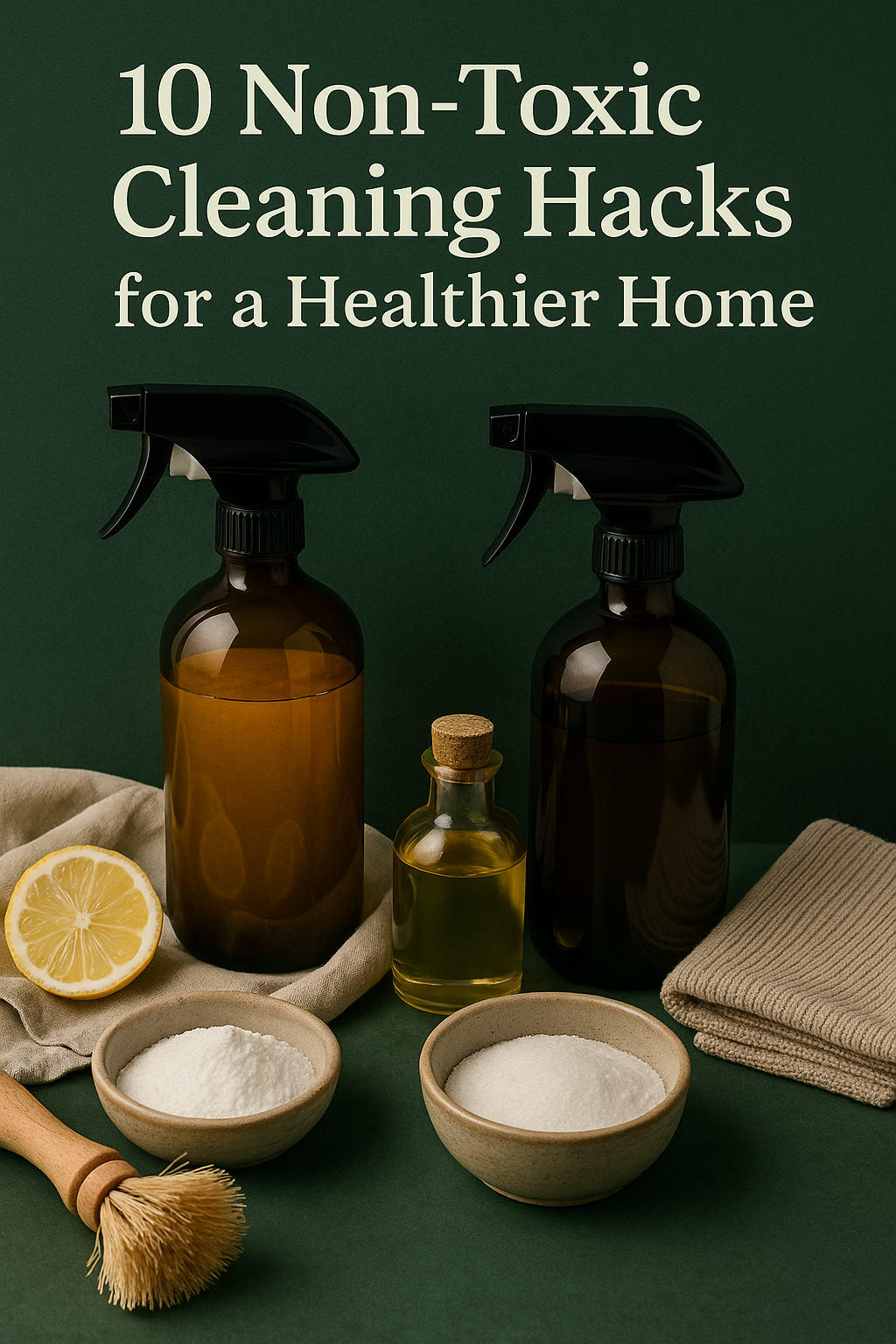
10 Non-Toxic Cleaning Hacks for a Healthier Home
10/9/2025
Switch your home to safe and simple alternatives with these easy DIY cleaning tricks.
Read More →
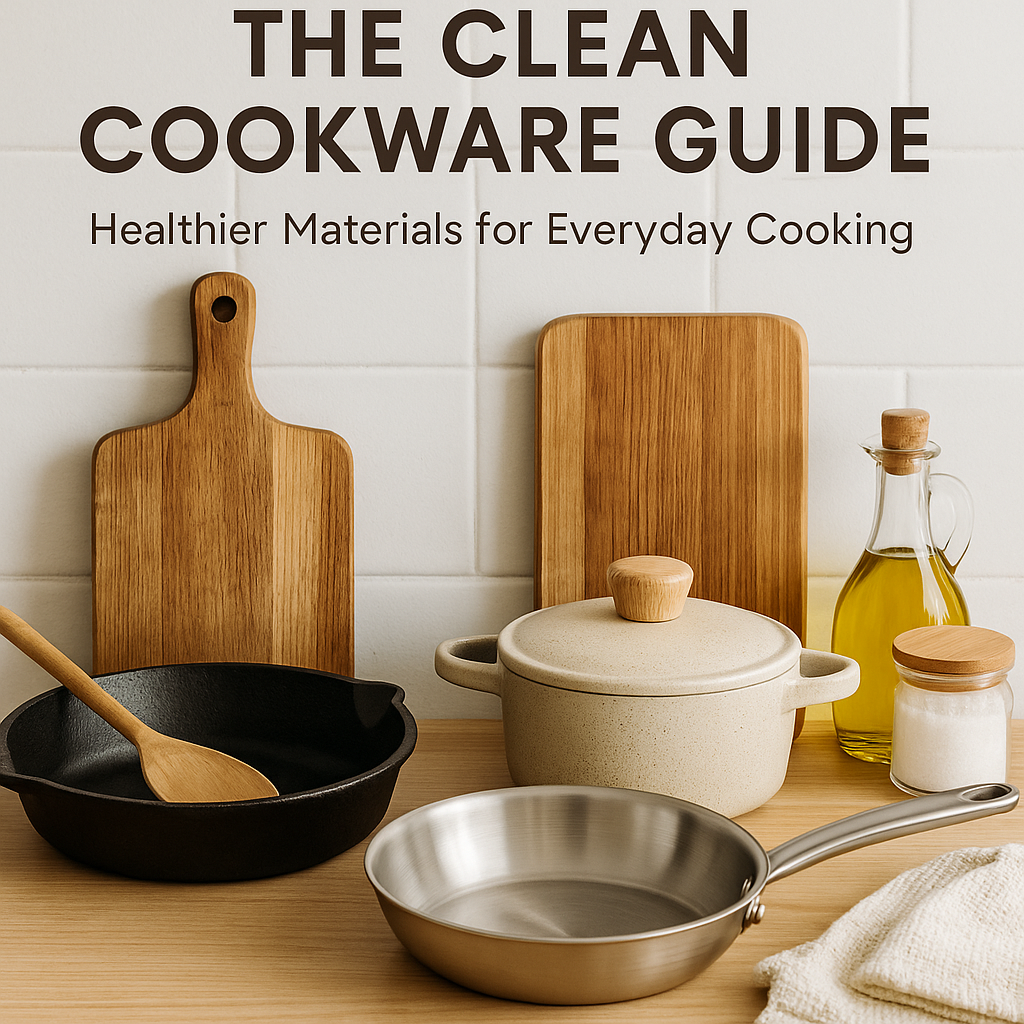
The Clean Cookware Guide: Healthier Materials for Everyday Cooking
10/11/2025
Discover which cookware materials are safest for your health and how to build a toxin-free kitchen.
Read More →
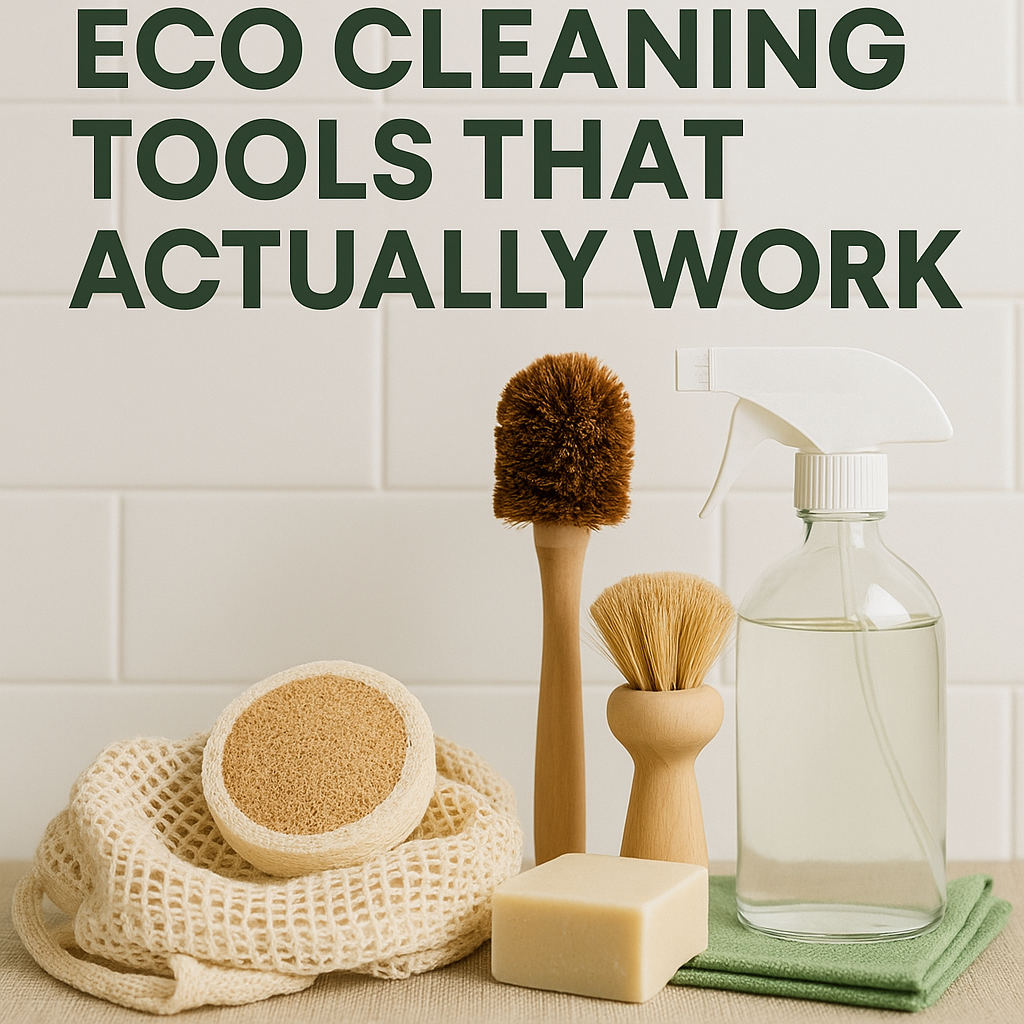
Eco Cleaning Tools That Actually Work
10/13/2025
Swap plastic sponges and wasteful paper towels for durable, sustainable tools that clean better and last longer.
Read More →