Creating a Non-Toxic Craft Room for Eco-Friendly Creativity
7/13/2026
⏱ 6-minute read
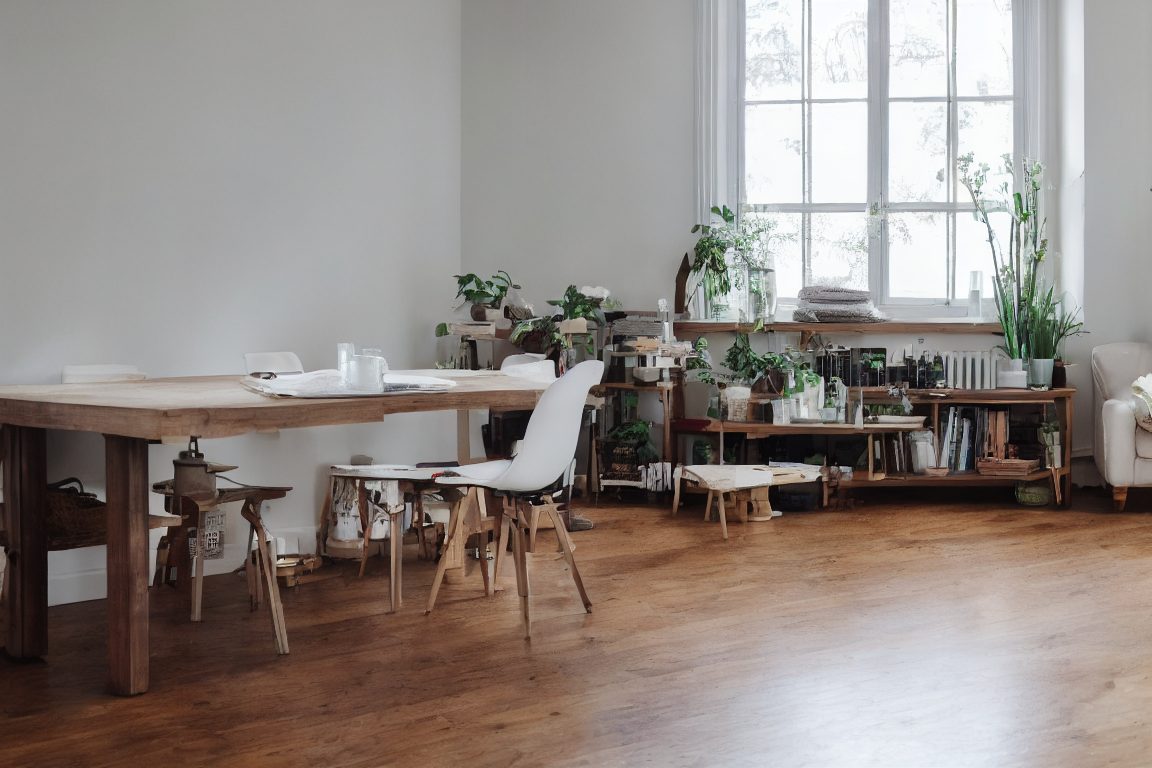
Engaging in crafts can be a fulfilling and creative pursuit, but maintaining a non-toxic environment is crucial not only for your well-being but also for the health of our planet. Transform your crafting area into a haven for eco-friendly creativity by adopting sustainable and non-toxic practices. Here's how you can achieve a healthier and more sustainable crafting life.
Choose Non-Toxic Materials
The foundation of creating a non-toxic craft room starts with selecting safe materials. Opt for non-toxic, low-VOC (volatile organic compounds) paints and finishes. These choices help minimize exposure to harmful chemicals, ensuring you breathe clean air as you work on your projects.
Concrete Steps:
- Research Brands: Look for companies that prioritize transparency about their ingredients. Some trusted brands include ECOS Paints and AFM Safecoat for low-VOC paints. When buying finishes, check for certifications like Greenguard and Green Seal, ensuring they meet stringent environmental standards.
- Understand Labels: Learn to decipher labels on crafting materials. Key terms to look for include "low-VOC," "formaldehyde-free," and "non-toxic."
- Trial Small Quantities: Before committing to large quantities, try smaller samples to ensure that the materials meet your needs.
Water-based and non-toxic adhesives should be your go-to. Ensure that products you use do not contain formaldehyde or other VOCs. When it comes to fabrics and papers, natural and organic fibers like cotton, linen, and bamboo are excellent options. Aim for acid-free papers, and where possible, select recycled or FSC-certified products to support responsible forestry.
- Buying Tip: For adhesives, brands like Elmer's and Yes Paste offer non-toxic options suitable for a variety of craft projects.
Prioritize Ventilation
A well-ventilated craft room is vital to disperse any fumes from materials or equipment. An air purifier equipped with a HEPA filter can effectively remove small particles from the air, further enhancing air quality and reducing potential hazards associated with crafting materials.
Checklist for Improving Ventilation:
- Install Exhaust Fans: Position exhaust fans near workstations to continuously extract pollutants and introduce fresh air.
- Utilize Windows: Open windows regularly, particularly during crafting sessions, to allow fresh air circulation.
- Invest in an Air Purifier: Choose models like the Honeywell HPA300, featuring true HEPA filters that capture over 99% of airborne particles.
Consider setting up a schedule for regular room airing, and be conscious of any lingering odors that might signal insufficient ventilation.
Opt for Sustainable Tools and Supplies
Your tool selection also plays a critical role in sustaining an eco-friendly crafting space. Pick tools manufactured from sustainable or recycled materials. For example, wooden tools are preferable to plastic ones, provided they are sourced responsibly and sustainably.
Specific Sustainable Tools:
- Wooden Tools: Consider bamboo rulers and paintbrushes with wooden handles—both renewable and biodegradable options.
- Recyclable Materials: Aluminum knitting needles and sewing scissors are preferred over plastic, offering durability and recyclability.
Incorporating upcycling and recycling in your projects significantly boosts their eco-friendliness. Materials like glass jars, cardboard, and fabric scraps not only add a unique touch to your creations but also reduce the waste entering landfills.
Common Materials to Repurpose: Save old newspapers for papier-mâché or cardboard boxes for organizing smaller items.
Organize with Nature in Mind
Organizing your supplies sustainably can greatly reduce waste and its impact on the environment. Consider utilizing reclaimed or second-hand furniture for your storage solutions. Wooden shelves and cupboards are usually better than new plastic bins.
Steps for Sustainable Organization:
- Shelf Sourcing: Scour local thrift shops or online marketplaces for second-hand wooden shelving.
- Labeling: Use chalk markers to label glass jars instead of plastic labels; they are reusable and come off easily with water.
- Organize by Material: Group supplies by material type—metal, glass, wood—to facilitate recycling when items can no longer be used.
Store your supplies in glass jars or fabric bins to avoid off-gassing from plastics. Clearly label each container to minimize over-purchasing or forgetting supplies, which helps in reducing overall waste.
Be Mindful of Waste
Incorporate a waste management system by setting up separate bins for compostable, recyclable, and landfill items. Make efficient use of all materials by planning your projects thoughtfully.
Effective Waste Management Tips:
- Divide & Conquer: Assign separate colors or labels to each type of waste bin to make sorting intuitive.
- Composting: Consider a small indoor compost bin for organic scraps like paper towel snippets or natural fabric trimmings.
- Project Planning: Draft detailed project outlines to minimize excess purchasing and encourage using up all existing supplies.
Maintain a Healthy Environment
Cleaning your craft room with non-toxic products is just as important. Make sure these products are free from harmful chemicals like ammonia and chlorine to maintain a healthy environment for your creative activities.
Recommended Non-Toxic Cleaning Products:
- DIY Cleaners: A mix of vinegar, baking soda, and essential oils can tackle most cleaning tasks effectively.
- Eco-Friendly Brands: Look for brands like Seventh Generation and Method, which offer biodegradable cleaning solutions.
Educate Yourself and Others
The journey towards eco-friendly creativity is ongoing. Stay informed by exploring sustainable crafting practices and share your findings with fellow crafters. There are abundant resources such as eco-friendly craft blogs, forums, books, and online courses dedicated to promoting sustainable crafting ideas and tips.
Where to Find Resources:
- Eco-Crafting Books: Titles like "The Art of Green Crafting" offer practical guides and project ideas.
- Online Communities: Join forums or social media groups focused on sustainable crafting to exchange tips and support.
Eco-Friendly Craft Inspiration
Drawing inspiration from dedicated resources can keep your creativity flowing with an eco-friendly twist. Seek out workshops, books, and online courses that align with your sustainability values.
Inspiration Sources:
- Workshops: Participate in virtual or local workshops focused on sustainable crafting methods.
- Social Media: Follow eco-friendly crafting influencers who frequently share innovative ideas and projects.
Safety Considerations
Safety in your craft room should always be a priority. Always read the labels on supplies to ensure their safety, especially if children or pets frequent the area. Opt for safe alternatives, and store any hazardous materials out of reach.
Safety Checklist:
- Childproof Locks: Install childproof locks on cabinets that contain potentially harmful materials.
- Routine Checks: Regularly inspect materials for expiration dates or signs of spoilage, as older materials can sometimes release harmful chemicals.
By embracing these practices, you create not only a healthier environment for yourself but contribute positively to the planet's well-being. Remember, each sustainable choice brings us closer to a more balanced and harmonious way of living and creating.
Your craft room can be both a sanctuary of creativity and a model of sustainability. Step by step, we can craft a brighter, greener future together.
As an Amazon Associate, The Clean Code earns from qualifying purchases.
Featured Product

<a href='/gp/prime'><img src='https://images-na.ssl-images-amazon.com/images/G/01/prime/piv/YourPrimePIV_fallback_CTA._V327346943_.jpg' /></a>
Top-rated eco-friendly product for Creating a Non-Toxic Craft Room for Eco-Friendly Creativity. Available on Amazon.
View on Amazon →You May Also Like
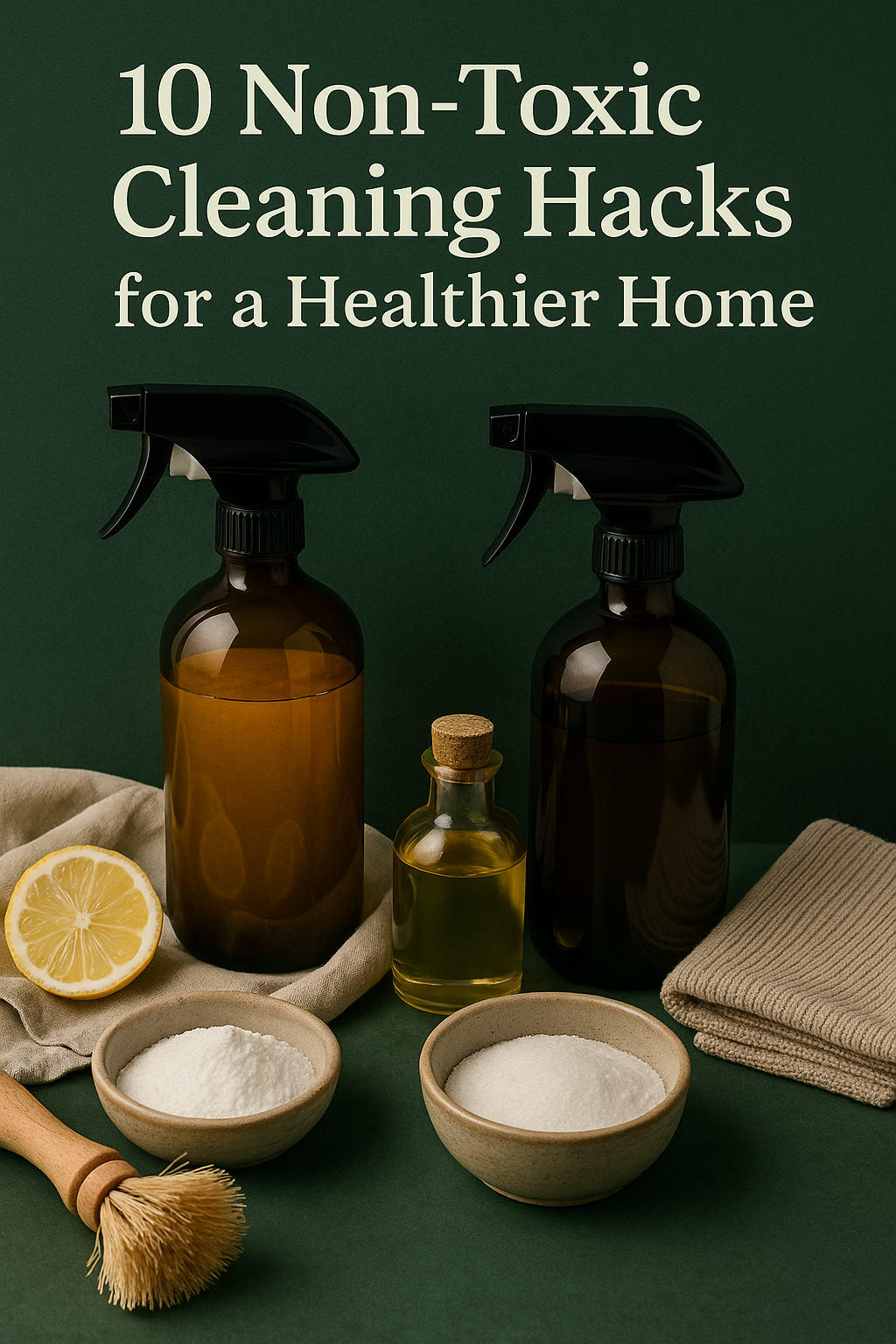
10 Non-Toxic Cleaning Hacks for a Healthier Home
10/9/2025
Switch your home to safe and simple alternatives with these easy DIY cleaning tricks.
Read More →
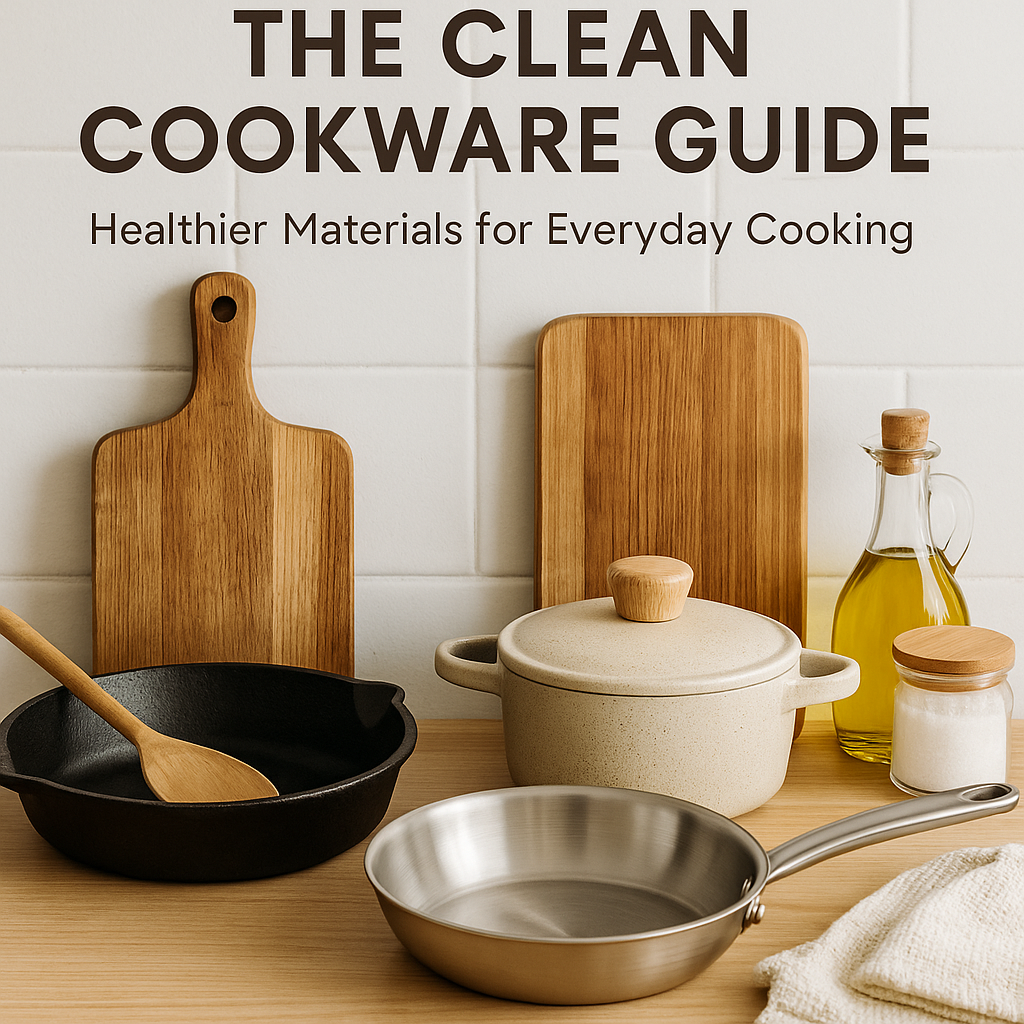
The Clean Cookware Guide: Healthier Materials for Everyday Cooking
10/11/2025
Discover which cookware materials are safest for your health and how to build a toxin-free kitchen.
Read More →
Eco Cleaning Tools That Actually Work
10/13/2025
Swap plastic sponges and wasteful paper towels for durable, sustainable tools that clean better and last longer.
Read More →