Crafting a Non-Toxic First Aid Kit: Essentials for Every Home
5/11/2026
⏱ 6-minute read
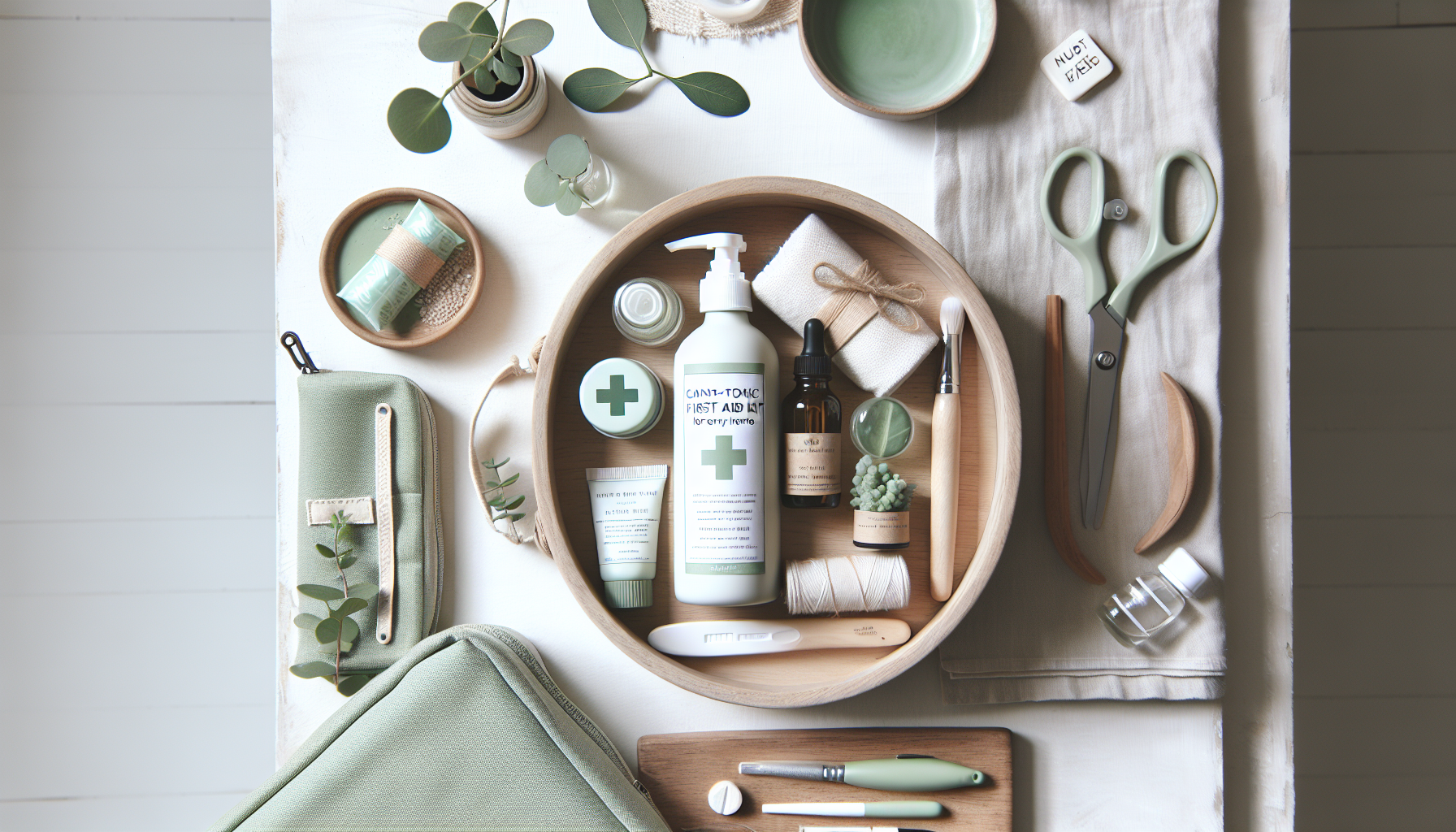
Creating a non-toxic first aid kit is a vital step towards ensuring your family's health and aligning with sustainable living practices. Unlike conventional first aid supplies, a non-toxic kit focuses on safety, environmental impact, and personal wellness. Here's how you can craft such a kit, tailored specifically with natural remedies and eco-friendly products.
Essentials for a Non-Toxic First Aid Kit
Your first aid kit should include a variety of natural antidotes and remedies that provide effective solutions for minor injuries and ailments without introducing harmful chemicals. Let's dive deeper into the essential components and how they can be utilized.
- Natural Antiseptics: Tea Tree Oil is a must-have for its potent antifungal and antibacterial properties, ideal for cleaning cuts and scrapes. When purchasing, opt for 100% pure tea tree oil; look for organic certifications to avoid adulterants. Ensure the oil is packaged in dark glass bottles to preserve its potency. Witch Hazel, particularly from organically grown sources, serves as an excellent astringent, reducing inflammation and effectively cleaning wounds. Ensure that the witch hazel is alcohol-free, which minimizes irritation on sensitive skin. Also, choose brands that use sustainable harvesting practices.
- Non-Toxic Wound Care: Organic cotton bandages are a healthier choice compared to conventional options that often contain synthetic fibers and bleach residues. They're breathable and reduce the risk of allergic reactions. Opt for brands that provide biodegradable packaging to stay eco-friendly. Manuka honey, known for its antibacterial and healing properties, is more potent compared to regular honey. When selecting Manuka honey, check for the UMF rating— a score of 10+ is considered potent for therapeutic use. Verify the source to ensure ethical beekeeping practices.
- Eco-Friendly Pain Relief: Arnica Cream or Gel offers a natural remedy for bruises and muscle pain. Choose brands that use certified organic ingredients to ensure purity. Be cautious about formulations, as some may contain synthetic preservatives. White Willow Bark is another effective option, serving as a natural alternative to aspirin. When buying, look for products that list the bark as the main ingredient, ensuring they are free from artificial additives. Check for sustainably sourced ingredients to maintain eco-friendliness.
- Chemical-Free Anti-Inflammatories: Aloe Vera Gel is a time-tested solution for soothing burns and skin irritation. Look for products that are 100% pure or sourced directly from organic aloe plants for maximum effectiveness. Avoid gels with added fragrances or artificial colors. Turmeric Supplements aid in managing pain and swelling due to their anti-inflammatory properties. When choosing turmeric, check for standardized curcumin levels to ensure efficacy. Consider brands that incorporate piperine to enhance absorption.
Practical Advice for Eco-Friendly First Aid
Crafting a first aid kit isn't just about what goes inside, but also how you store and maintain it. Let's look at practical ways to ensure your kit is sustainable and effective.
- Sustainable Packaging: Utilize reusable containers, such as glass jars or BPA-free plastic jars, for storage to minimize waste and environmental impact. Label each container clearly with the content and expiration date, making it easy to find in emergencies. Consider using compostable or recyclable labels to reinforce sustainability.
- Expiration Check: Regularly review the expiry dates of all your first aid items. Natural products can degrade quicker, especially those without preservatives. Set reminders every six months to assess and replace expired items, choosing sustainable options like refill packs instead of single-use plastic packaging. Involve your family in this process to ensure everyone stays informed and proactive about the kit's content.
- DIY Solutions: Making some remedies at home can save money and packaging waste. For instance, infuse coconut oil with herbs like calendula for a healing salve, ensuring you're using fresh, organic ingredients. DIY approaches also allow you to tailor remedies to individual family needs and preferences.
Health and Safety Considerations
The effectiveness of a first aid kit also depends on how well it is managed and used within your household. Here are key considerations to ensure safety while using natural remedies.
- Educate Household Members: Conduct a demonstration on how to use the kit, clarifying the purpose and application of each item. Ensuring everyone, from teens to adults, knows how to handle common injuries responsibly can prevent misuse. Consider creating a small manual that includes instructions and safety tips, easily accessible beside the kit.
- Consult Professionals: While natural remedies are generally safe, it's crucial to consult with health professionals prior to use, particularly for individuals with pre-existing health conditions or those prone to allergies. Keep a list of local healthcare providers who are familiar with holistic treatments to provide guidance and support when needed.
- Safe Storage: Maintain your first aid kit in a cool, dry area, away from direct sunlight, which can degrade the potency of certain products like essential oils. Furthermore, ensure it's kept out of children's reach to prevent accidental ingestion or misuse. Use child-proof locks if necessary and ensure family members know the kit's location.
Common Mistakes to Avoid
To ensure the efficacy and safety of your non-toxic first aid kit, be aware of frequent missteps that can diminish its utility.
- Ignoring Dosages: Natural does not always mean it's safe to use in unlimited quantities. Adhere to recommended dosages, especially with anti-inflammatory and pain relief herbs like willow bark and turmeric. Excessive use can lead to side effects or diminished efficacy.
- Selecting Incomplete Kits: Many people focus on remedies but forget fundamentals like scissors, tweezers, and gloves. Ensure these are also eco-friendly by choosing stainless steel tools and biodegradable gloves. Test the usability of these tools, as eco-friendly alternatives must still be practical and effective for emergencies.
- Overlooking Allergies: Always perform a patch test with new natural products to prevent allergic reactions, especially in households with sensitive skin members. Document any allergies or sensitivities within the family so you can quickly adjust the kit's contents as needed.
Eco-Friendly Living Impact
Transitioning to a non-toxic first aid kit not only enhances your family’s health but also benefits the environment. By reducing reliance on plastics and synthetics, you lower your ecological footprint. Sharing these practices within your community can amplify the impact and inspire others to make similar sustainable choices. Hosting workshops or sharing your kit components online can spread awareness. Additionally, organizing community clean-up days or resource-sharing networks for eco-friendly first aid materials further solidifies communal environmental responsibility.
Explore eco-friendly first aid supplies
FAQs
What should I do if a natural remedy doesn't work?
If a natural remedy isn't providing relief, consult a healthcare professional. Consider conventional treatments to alleviate severe symptoms while maintaining a non-toxic routine for less severe cases. Remember, using an ineffective remedy in serious situations can cause delays in receiving appropriate care, so balance natural approaches with practicality.
How often should I update my first aid kit?
Regular updates every six months ensure components are effective and safe. Events like family expansions or new health diagnoses warrant immediate reviews to align the kit with evolving needs. Maintain a checklist of items updated and replaced to ensure comprehensive coverage of potential family health scenarios.
Every small step towards eco-friendly living is a giant leap for the planet. Let your non-toxic first aid kit be a symbol of your commitment to a healthier home and a greener world.
As an Amazon Associate, The Clean Code earns from qualifying purchases.
Featured Product

FEBU Woodland Print Bamboo Fabric Bandages | PFAS Free Flexible Fabric Bandages | Natural Hypoallergenic Bandage for Scrapes, Cuts & First Aid | Compostable, Latex Free Bandage | 50 Count Strip
Top-rated eco-friendly product for Crafting a Non-Toxic First Aid Kit: Essentials for Every Home. Available on Amazon.
View on Amazon →You May Also Like
10 Non-Toxic Cleaning Hacks for a Healthier Home
10/9/2025
Switch your home to safe and simple alternatives with these easy DIY cleaning tricks.
Read More →
The Clean Cookware Guide: Healthier Materials for Everyday Cooking
10/11/2025
Discover which cookware materials are safest for your health and how to build a toxin-free kitchen.
Read More →
Eco Cleaning Tools That Actually Work
10/13/2025
Swap plastic sponges and wasteful paper towels for durable, sustainable tools that clean better and last longer.
Read More →