How to Create a Non-Toxic Nursery: Safe Choices for Your Baby’s First Years
5/3/2026
⏱ 3-minute read
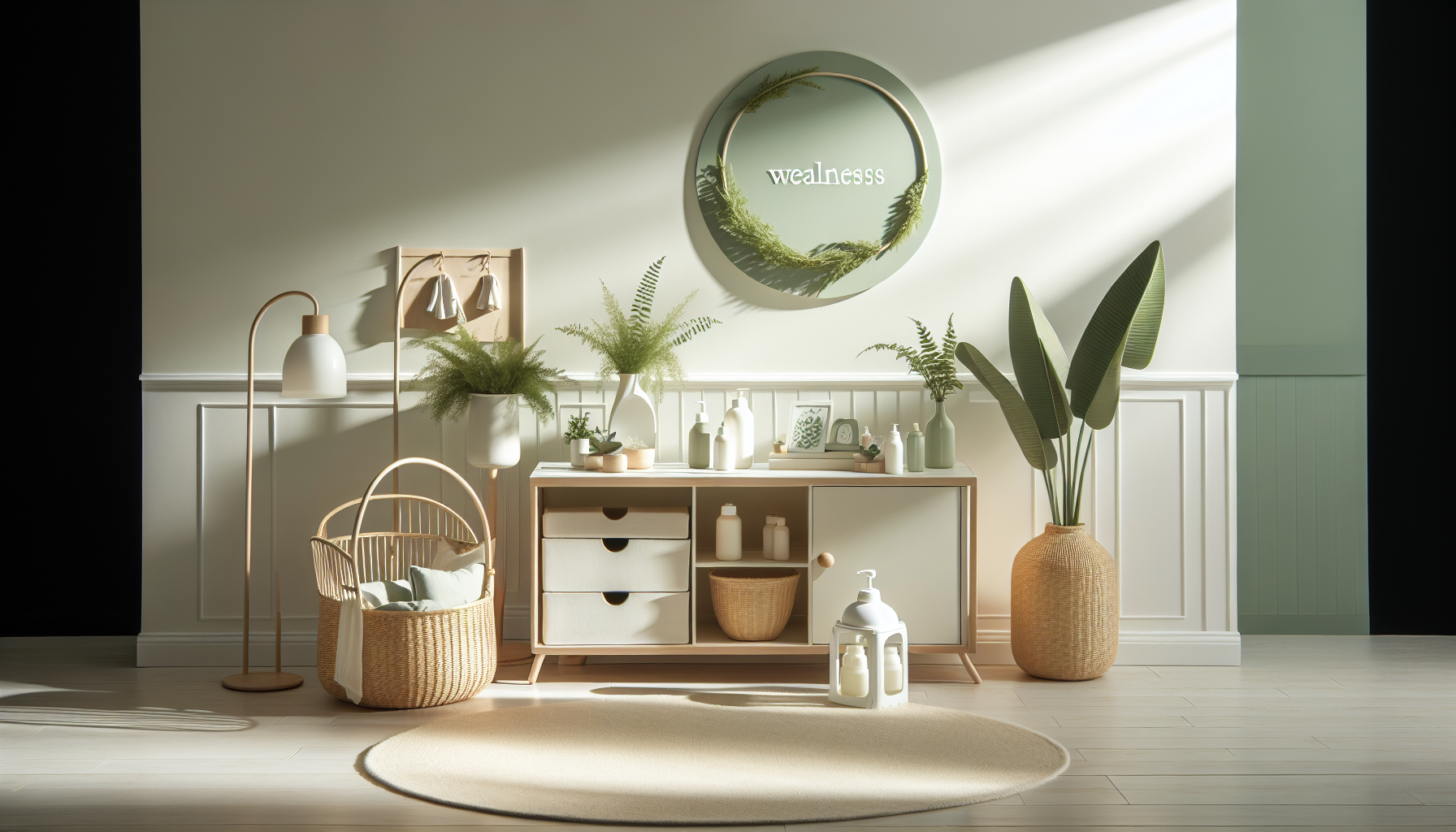
Expecting a new baby brings joy and excitement, but also the responsibility of creating a safe environment for your little one's early years. Designing a non-toxic nursery is a significant step towards ensuring your baby's health and well-being. Here's a guide to making eco-friendly choices for a healthy nursery.
Choose Non-Toxic Furniture and Finishes
When selecting nursery furniture, opt for pieces made from solid wood rather than pressed wood or particleboard. These materials often contain formaldehyde, a volatile organic compound (VOC) that's harmful to health. Choose furniture with non-toxic finishes, such as water-based, low-VOC, or no-VOC paints and stains, which are often labeled as 'green' or 'eco-friendly'. You might also consider second-hand furniture that meets safety standards, reducing off-gassing from new materials.
Select the Right Mattresses
Mattresses are a critical element of the nursery. Opt for those made from natural materials like organic cotton, natural latex, or wool, free from flame retardants and other harmful chemicals. Look for certifications such as the Global Organic Textile Standard (GOTS) and the Global Organic Latex Standard (GOLS) to ensure product safety and sustainability.
Choose Safe Bedding and Fabrics
Since babies spend a lot of time in their cribs, using organic cotton or bamboo for sheets and blankets is essential to minimize exposure to pesticides. Many non-organic cotton products carry pesticide residues, so choosing organic ensures a safer environment. Additionally, textiles dyed with low-impact dyes help avoid chemical exposures.
Improve Air Quality
Maintaining good air quality is essential in a nursery. Ensure the room is well-ventilated by regularly opening windows. You can also use air purifiers with HEPA filters to reduce airborne pollutants. For a natural solution, introduce air-purifying plants such as spider plants and peace lilies, which can help reduce indoor toxins.
Opt for Safe Floor and Wall Choices
Carpeting can trap dust and VOCs, so consider hardwood or cork flooring sealed with non-toxic finishes instead. If you use rugs, choose those made from untreated natural fibers like wool or jute. When painting, select low or no-VOC water-based paints, and if wallpaper is your choice, prefer natural materials with non-toxic adhesives.
Choose Non-Toxic Toys and Accessories
Toys should be free from harmful chemicals. Prefer toys made from natural materials like wood, finished with non-toxic paints or dyes. Avoid plastic toys, especially those containing BPA, phthalates, and PVC, known for their potential health risks.
Maintain a Clean and Safe Environment
Cleanliness is crucial, so maintain the nursery with eco-friendly or homemade cleaning solutions, steering clear of harsh chemicals. Regular dusting with microfiber cloths can help reduce allergens and pollutants, ensuring a fresh environment for your baby.
Additional Tips
Always check labels for eco-friendliness or non-toxicity, adopting a minimalist approach to reduce clutter and potential exposures. Complete any painting or furnishing at least a few weeks before the baby arrives to allow off-gassing.
Creating a non-toxic nursery ensures a healthy start for your baby. Make choices that sustain both your child's health and the planet's well-being. Each safe, eco-friendly decision contributes to a peaceful and nurturing environment for the most precious years.
As an Amazon Associate, The Clean Code earns from qualifying purchases.
Featured Product

Organic Cotton Crib Sheets
These crib sheets are made from 100% organic cotton, ensuring a soft and safe sleeping environment for your baby while being eco-friendly and free from harmful chemicals.
View on Amazon →You May Also Like
10 Non-Toxic Cleaning Hacks for a Healthier Home
10/9/2025
Switch your home to safe and simple alternatives with these easy DIY cleaning tricks.
Read More →
The Clean Cookware Guide: Healthier Materials for Everyday Cooking
10/11/2025
Discover which cookware materials are safest for your health and how to build a toxin-free kitchen.
Read More →
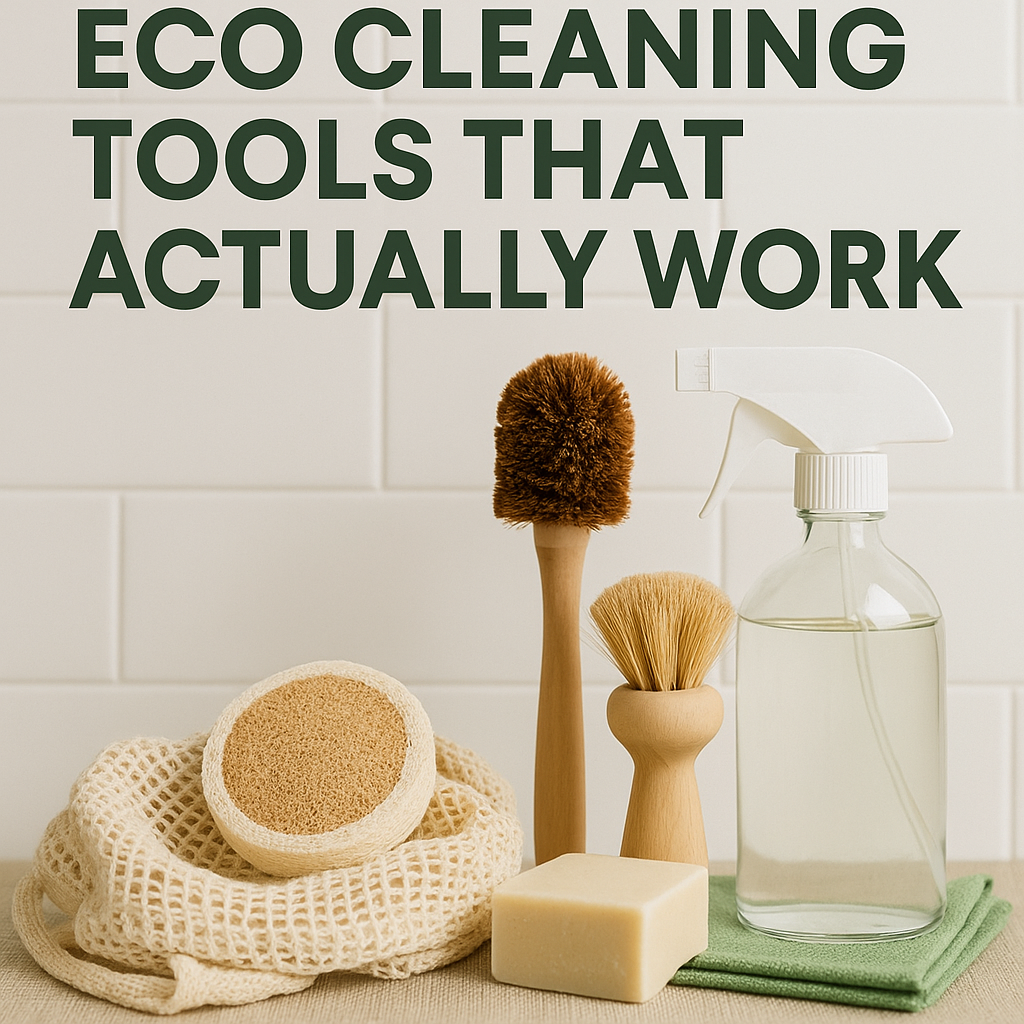
Eco Cleaning Tools That Actually Work
10/13/2025
Swap plastic sponges and wasteful paper towels for durable, sustainable tools that clean better and last longer.
Read More →