The Ultimate Guide to Non-Toxic Personal Care Products for a Healthier Home
5/5/2026
⏱ 6-minute read
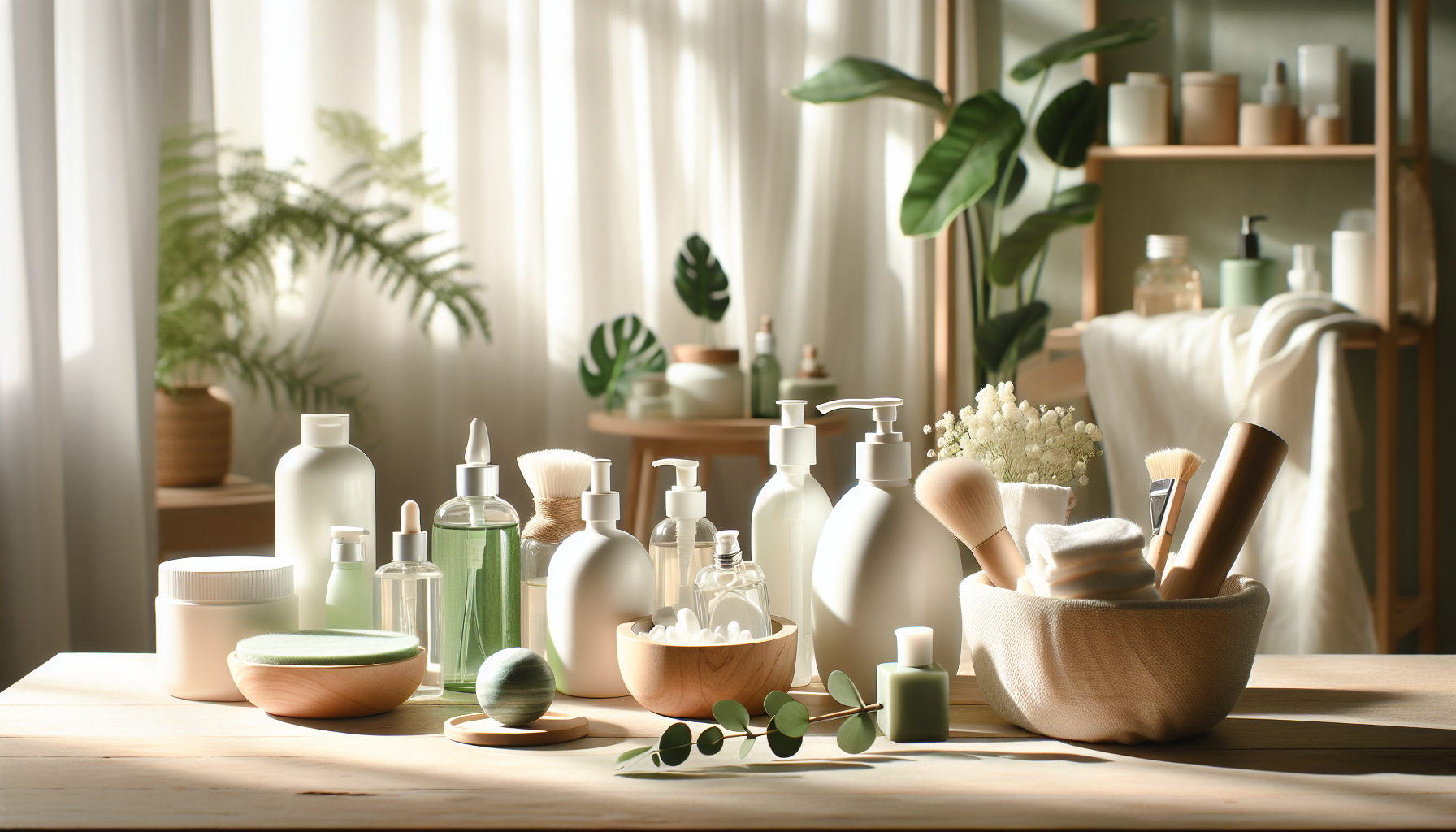
The desire to lead healthier lives has prompted many to reconsider the products they use daily, especially in the realm of personal care. Non-toxic personal care products are paving the way for a safer and more eco-friendly approach to hygiene and beauty. In this comprehensive guide, we explore the essentials of integrating non-toxic products into your daily routine and how these choices can positively impact your health and the environment.
Understanding Non-Toxic Personal Care Products
Non-toxic personal care products are formulated to exclude harmful chemicals such as parabens, sulfates, phthalates, synthetic fragrances, and petrochemicals. Instead, they employ natural or organic ingredients that are safe for human health and kind to the environment. Recognizing these products involves understanding what truly constitutes 'non-toxic.' This begins with a keen awareness of ingredient lists and the certifications that stand behind a brand's safety claims.
Concrete Steps to Identify Non-Toxic Products:
- Dedicate Time to Ingredient Research: Familiarize yourself with both the chemical and common names of toxic ingredients. Resources like the Environmental Working Group’s Skin Deep database can be invaluable for ingredient research. Cross-reference the product ingredient lists with these databases to filter out concerning chemicals.
- Emphasize Nature: Look for products that highlight the use of natural or organic plant-based ingredients, such as aloe vera, shea butter, and jojoba oil. These ingredients provide nourishment and hydration while ensuring minimal risk of side effects.
- Check for Certifications: Certifications like USDA Organic, EWG Verified, or COSMOS can offer peace of mind, signifying rigorous evaluation of safety standards. These labels ensure that the product has passed strict tests for ingredient purity and ethical sourcing.
Common Mistakes to Avoid:
- Assuming Natural Means Safe: Just because an ingredient is natural doesn’t mean it’s suitable for everyone. Allergens can be natural too. For instance, people with nut allergies should be cautious with products containing almond or shea butter.
- Misunderstanding Label Terminology: Words like 'fragrance-free' can still mask harmful scent chemicals unless verified by a credible certification. Always dig deeper than the marketing claims to ensure the product's purity.
Common toxic ingredients to avoid include parabens, which are linked to hormone disruption, and sodium lauryl sulfate, a harsh detergent that can irritate skin. Phthalates, often found in fragrances, are associated with reproductive issues, while formaldehyde and triclosan have carcinogenic and endocrine-disrupting properties, respectively. Make it a point to scan for these ingredients diligently and avoid them.
Health and Safety Benefits
Choosing non-toxic personal care products offers various benefits. Here’s a deeper dive into how these positive changes can affect you and the planet long-term:
- Reduced Chemical Exposure: Reducing exposure minimizes potential health risks to your endocrine system, which regulates hormones crucial for health balance. A healthier endocrine system decreases risks of hormonal disruptions that can lead to significant health issues such as breast cancer or fertility problems.
- Environmental Impact: Opting for biodegradable and sustainably-sourced products significantly reduces the burden on the planet's resources. Ingredients that break down naturally help keep waterways and soil free from pollutants, fostering biodiversity and protecting wildlife.
- Sensitive Skin Solutions: Non-toxic formulas frequently avoid harsh chemicals, providing relief from chronic skin conditions like eczema and dermatitis. Ingredients such as chamomile and calendula are known for their soothing, anti-inflammatory properties.
Quick-Start Checklist:
- List your current products and identify those with long, complicated ingredient lists. Cross-compare them with reliable databases for a deeper understanding of their safety.
- Switch out one product at a time, starting with those used most frequently. This gradual change helps manage budget and allows time to observe benefits and any potential reactions.
- Keep an eye out for immediate skin reactions as you transition. Document these observations as they can inform future product choices and consultations with a dermatology professional.
Tips for Choosing Non-Toxic Personal Care Products
Navigating the world of clean personal care takes some know-how. Here are practical tips to ensure you make the best choices:
- Label Reading: Become a detective of labels. Look beyond marketing buzzwords and examine the fine print for toxic ingredients. Make it a routine to scroll through ingredient lists when shopping.
- Certified Labels: Trusted certifications are more than a logo; they represent safety and ethical assurance from independent bodies. Aim for multiple certifications whenever possible.
- DIY Alternatives: Homemade beauty solutions aren't only cost-effective but guarantee the purity of ingredients. Simple recipes can include sugar for exfoliation or avocado for deep conditioning.
- Minimalistic Approach: Streamline your routine to a few multifunctional products. This practice not only cuts down on clutter but also minimizes exposure to toxins.
- Transparency: Trust brands that offer full disclosure of their ingredient sourcing and manufacturing processes. Transparent companies often engage in ethical practices and have a smaller ecological footprint.
FAQ
Q: How can I transition my family to non-toxic products without resistance?
A: Educate your family on the benefits through documentaries or articles, and introduce changes slowly. Start with products they use every day, like soap or shampoo, and emphasize the long-term health gains. Provide samples or trial-sized products to allow family members to explore without commitment.
Q: Are non-toxic products more expensive?
A: While some high-quality non-toxic products may come with a heftier price tag, many affordable options are available. Compare brands and consider that investing in health can save on medical costs in the long run. Look for value packs or sales to ease the price concerns.
Practical Advice for Eco-Friendly Home Living
Transitioning to non-toxic personal care products complements an eco-minded lifestyle. Here are some practical steps to get started:
- Transition Gradually: The switch to non-toxic products should be gradual to avoid overwhelming shifts in both expense and routine. Begin with empty replacements, observing the benefits and effects of each product swap.
- Educate Yourself and Others: Join communities or social media groups that focus on non-toxic living. These groups can serve as a source of support and innovation in your journey.
- Recycling: Commit to reducing your ecological footprint by recycling all beauty product packaging. Many brands now offer take-back or refill programs as well. Participate actively in these programs to contribute to a circular economy.
- Water Conservation: Opt for waterless personal care items wherever possible. These often contain richer formulations as they're not diluted, delivering better value and efficacy. Soap bars and concentrated creams are excellent alternatives.
Community Actions: Host or attend workshops to spread awareness and share experiences on sustainable practices. Collaborate with local eco-initiatives to amplify your sustainable actions, fostering a wider community impact.
Consciously selecting non-toxic personal care products not only strives for personal health improvements but also contributes to a more sustainable and eco-friendly home environment. Prioritizing transparency, sustainability, and ingredient safety empowers you to make informed decisions that embody a healthier and more mindful lifestyle.
Remember, every small change you make today leads to a healthier tomorrow. Embrace the journey towards cleaner living with enthusiasm and purpose.
As an Amazon Associate, The Clean Code earns from qualifying purchases.
Featured Product

Dr. Bronner's Pure-Castile Liquid Soap
Dr. Bronner's Pure-Castile Liquid Soap is a versatile, biodegradable, and non-toxic soap that serves multiple personal care needs. Made with organic and fair-trade ingredients, this eco-friendly soap is gentle on your skin and the planet.
View on Amazon →You May Also Like
10 Non-Toxic Cleaning Hacks for a Healthier Home
10/9/2025
Switch your home to safe and simple alternatives with these easy DIY cleaning tricks.
Read More →
The Clean Cookware Guide: Healthier Materials for Everyday Cooking
10/11/2025
Discover which cookware materials are safest for your health and how to build a toxin-free kitchen.
Read More →
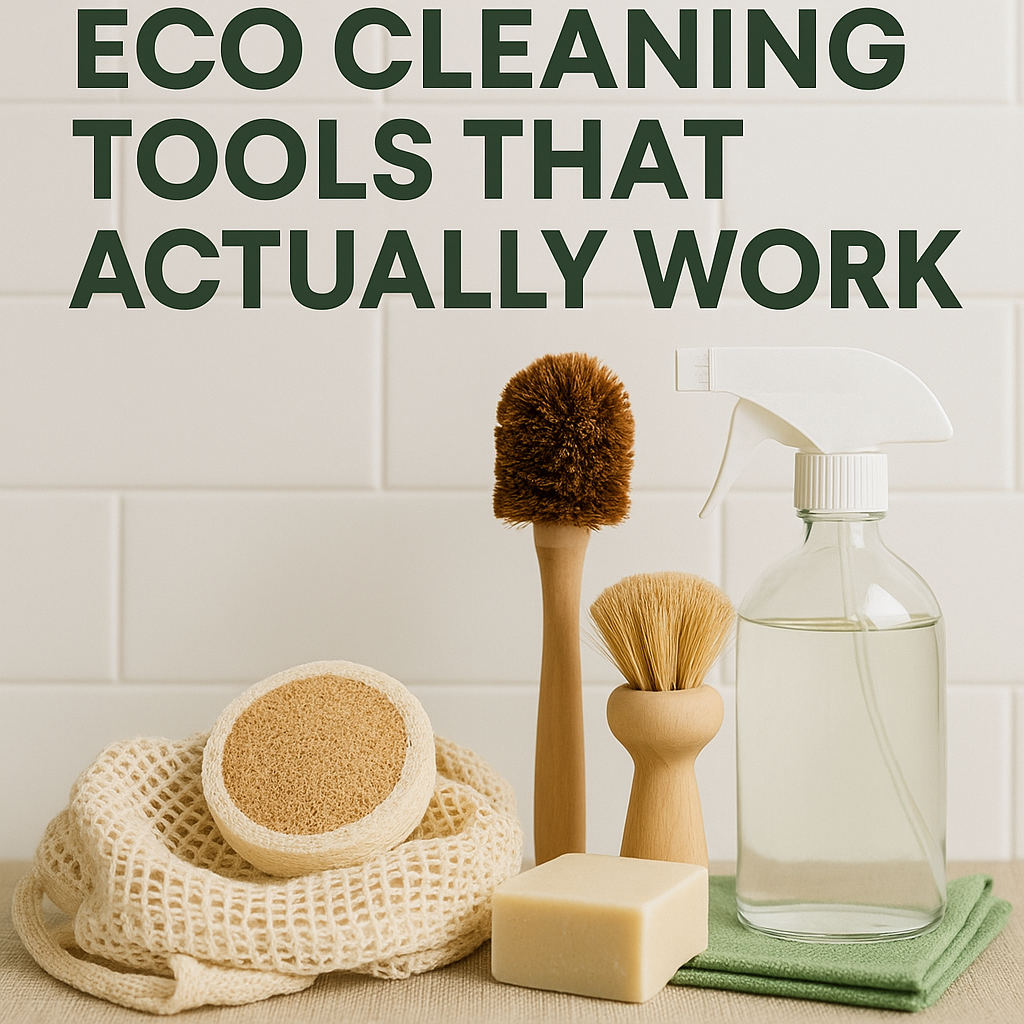
Eco Cleaning Tools That Actually Work
10/13/2025
Swap plastic sponges and wasteful paper towels for durable, sustainable tools that clean better and last longer.
Read More →