The Ultimate Guide to Non-Toxic Upholstery: Beautiful, Safe Fabric Options for Your Home
5/5/2026
⏱ 5-minute read

Creating a healthy living environment has become a priority for many homeowners, with non-toxic upholstery emerging as a key component. Not only does it enhance your home's aesthetics, but it also plays a pivotal role in safeguarding your indoor air quality and overall well-being. In this comprehensive guide, we'll explore stunning, eco-friendly fabric options perfect for your home.
Understanding Non-Toxic Upholstery
Many conventional upholstery fabrics incorporate volatile organic compounds (VOCs), flame retardants, and other harmful chemicals that can off-gas, thereby compromising indoor air quality. Exposure to these substances can induce a range of health concerns, including headaches, respiratory ailments, and long-term effects like hormone disruption and cancer. Opting for non-toxic upholstery minimizes such risks, fostering a healthier environment, particularly beneficial for children and pets.
To better understand your upholstery options, familiarize yourself with the types of chemicals typically used in conventional products. Formaldehyde, a known VOC, is often used in fabric treatments. Flame retardants like PBDEs and PFAS are common but linked to significant health issues. When shopping, prioritize materials and brands that clearly state the absence of these chemicals.
Choosing Safe Alternatives
Research alternative treatments and finishes that brands might use. For instance, some companies now use natural flame retardants that do not release harmful chemicals upon contact. Clear labeling is a sign of a manufacturer’s commitment to safety, so always read product descriptions thoroughly.
Key Fabrics to Consider
When seeking non-toxic upholstery, natural fibers and eco-friendly synthetic options stand out as excellent choices. Here are some to consider:
Natural Fibers
- Organic Cotton: Its pesticide-free nature makes it a breathable and durable option for various upholstery needs. Typically, organic cotton is produced with methods that have a lower environmental impact. However, watch for blended fabrics; always confirm that any blend maintains its organic integrity.
- Linen: Derived from flax, linen's hypoallergenic properties and natural luster offer both beauty and resilience. It requires less water than cotton to produce, making it a sustainable choice. Keep in mind that linen becomes softer and more comfortable with each wash. Look for European-made linen originating from sustainable farms.
- Wool: Known for being naturally flame resistant and biodegradable, although it may require caution for those with allergies. The wool market now offers options like organic wool, which avoids pesticide use on grazing lands, further minimizing its environmental footprint.
- Hemp: A rapidly renewable resource that’s strong, requiring minimal water and no pesticides—an ideal eco-friendly choice. Besides strength, hemp tends to blend well with other fibers for improved softness without losing durability.
- Silk: Luxurious yet requiring careful maintenance, it adds elegance to any upholstery ensemble. Peace silk, produced without harming silk worms, offers a more humane option while maintaining the same aesthetic appeal.
Eco-Friendly Synthetic Options
- Recycled Polyester: Crafted from post-consumer plastics, it reduces landfill waste while offering durability and versatility. Look for textiles made with Global Recycle Standard (GRS) certification, which ensures product sustainability.
- Tencel (Lyocell): Biodegradable and requiring fewer resources, it’s sourced from sustainable wood pulp, offering a soft touch. Renowned for its moisture-wicking abilities, Tencel is also suitable for allergy sufferers, mitigating dust build-up.
Certifications to Look For
Choosing fabrics with reliable certifications helps ensure safety and sustainability:
- Global Organic Textile Standard (GOTS): Guarantees that textiles are organically sourced and processed sustainably, checking for social compliance along its production chain.
- Oeko-Tex Standard 100: Confirms that the products do not contain harmful substances. Each component of the product is tested for banned chemicals and restricted substances, from fabric and threads to buttons and zippers.
- Cradle to Cradle Certified: Assesses human and environmental health benefits of products. This certification evaluates products based on material health, reuse potential, and renewable energy use as well as water stewardship and social fairness.
Tips for Choosing Non-Toxic Upholstery
Consider these practical tips when selecting upholstery:
- Research manufacturers dedicated to sustainability and transparency. Select brands that provide clear declarations of their practices, from material sourcing to production techniques.
- Avoid chemical treatments such as stain guards and wrinkle resistance unless clearly labeled as safe. Often, these add-ons introduce unnecessary toxins into your home environment.
- Opt for plant-based dyes to minimize chemical exposure. Natural dyes, while sometimes less vibrant than synthetic alternatives, are derived from renewable sources and are less likely to provoke allergies.
- Request samples to evaluate texture and maintenance needs before committing. This can help in assessing the material’s comfort and longevity, ensuring it meets your family’s lifestyle.
- Check the fabric’s durability with double rubs ratings to ensure longevity. Aim for fabrics with at least 15,000 double rubs for residential use, ensuring they can withstand everyday wear and tear.
Health and Safety Angles
Maintenance and Care
Regular cleaning with non-toxic products is crucial to prevent dust and allergens. Look for biodegradable, plant-based cleaning solutions specifically designed for upholstery. Professional cleaning services should use green-certified cleaning methods to keep your home environment safe.
Proper ventilation helps when introducing new upholstery to your home, aiding in off-gassing any residual chemicals. Consider airing out new furniture outdoors or in well-ventilated areas for at least 24 hours.
Holistic Approach
For a holistic design approach, integrate non-toxic upholstery with eco-friendly furniture and decor, creating a cohesive and sustainable living environment. Complement your choices with indoor plants known for improving air quality, such as snake plants and peace lilies.
Common Mistakes
Avoiding mishaps when choosing non-toxic upholstery is easier with some foresight:
- Don’t assume all-natural fiber fabrics are automatically non-toxic; verify that they’re untreated and truly organic.
- Resist the temptation to go with cheaper options that may cut corners on health and environmental factors; prioritize longevity and safety over initial savings.
- Remember, not all "eco-friendly" products are equal—scrutinize claims and look for third-party verifications.
Conclusion
Embracing non-toxic upholstery contributes significantly to your home’s tranquility and health, enhancing your family’s well-being. By prioritizing natural fibers, seeking trusted certifications, and adopting mindful maintenance practices, you can craft a living space that's both beautiful and sustainable. Discover more about non-toxic options in our product spotlight, where sustainability meets style.
In transforming your living space with non-toxic upholstery, you're nurturing not just a home, but a sanctuary where wellness and sustainability thrive.
As an Amazon Associate, The Clean Code earns from qualifying purchases.
Featured Product

Olee Sleep Non-Toxic Memory Foam Chair Cushion
This eco-friendly memory foam cushion is CertiPUR-US certified, ensuring it's free from harmful chemicals. It's a great choice for anyone looking to add extra comfort to their non-toxic upholstery while also maintaining a commitment to sustainable living.
View on Amazon →You May Also Like
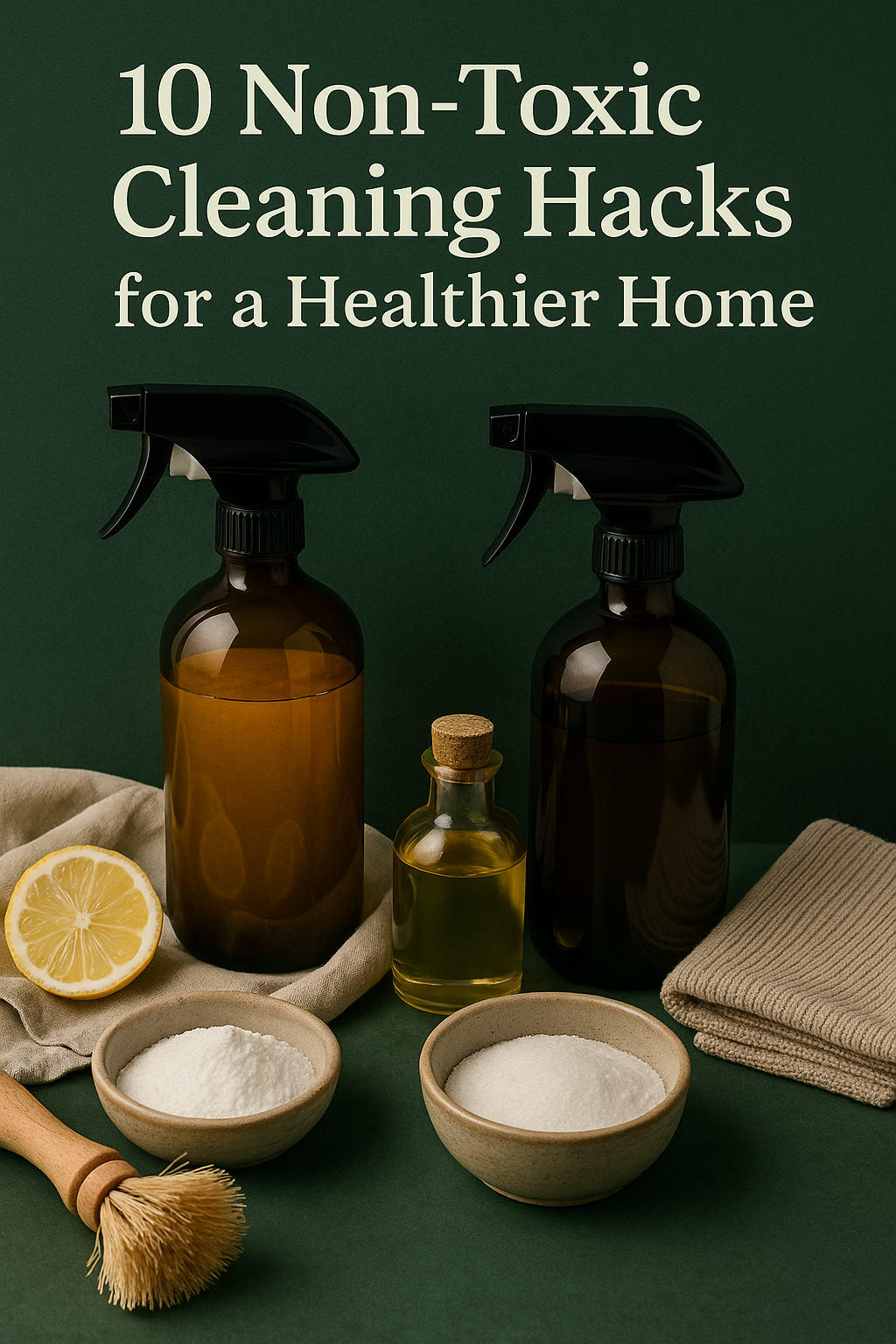
10 Non-Toxic Cleaning Hacks for a Healthier Home
10/9/2025
Switch your home to safe and simple alternatives with these easy DIY cleaning tricks.
Read More →
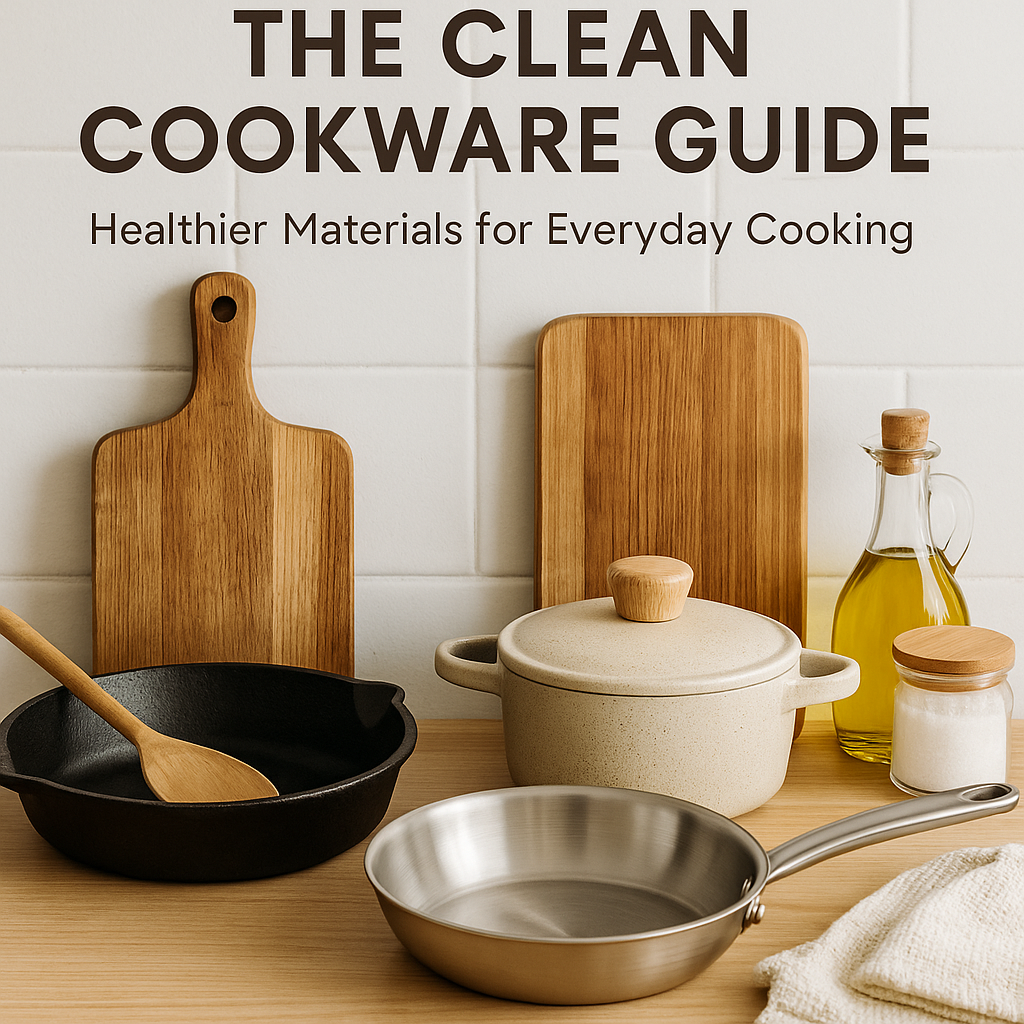
The Clean Cookware Guide: Healthier Materials for Everyday Cooking
10/11/2025
Discover which cookware materials are safest for your health and how to build a toxin-free kitchen.
Read More →
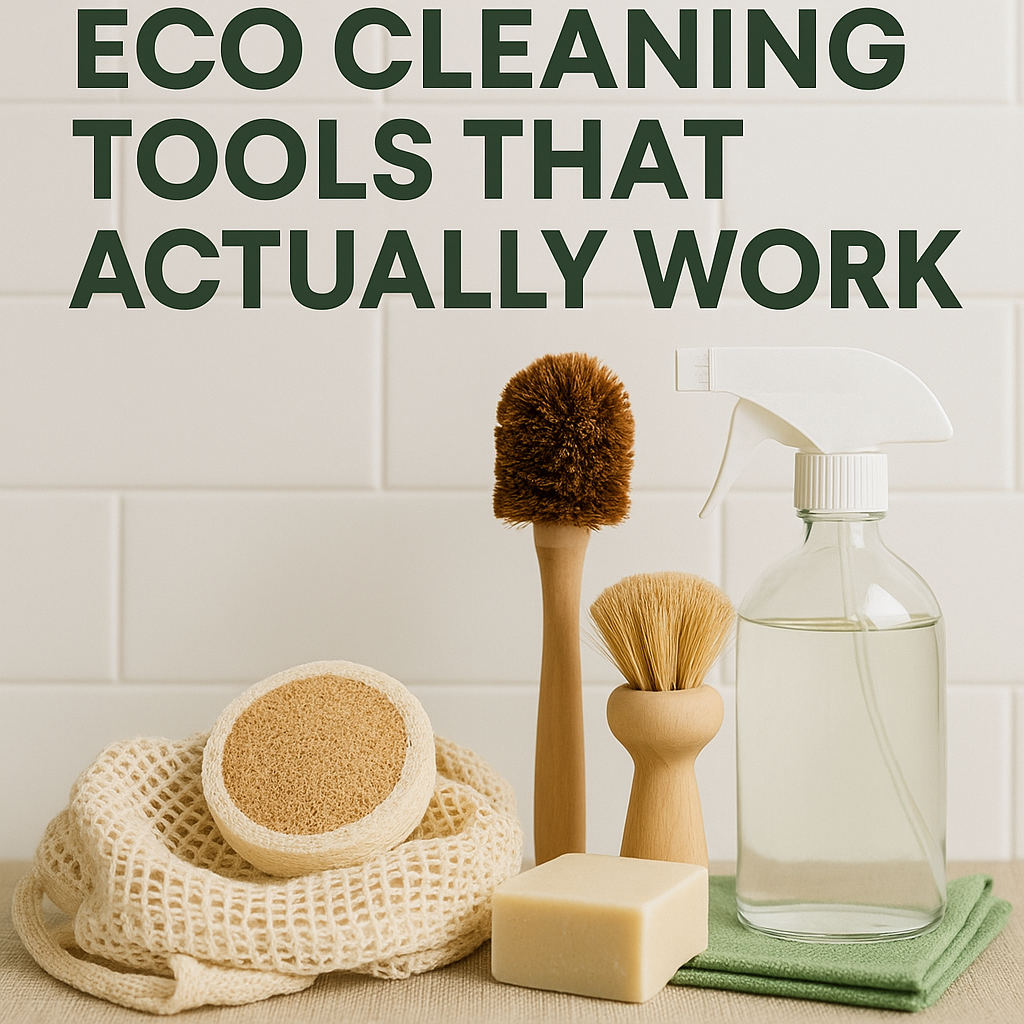
Eco Cleaning Tools That Actually Work
10/13/2025
Swap plastic sponges and wasteful paper towels for durable, sustainable tools that clean better and last longer.
Read More →