Safe and Sustainable Food Storage: Beyond Plastic Alternatives
7/4/2026
⏱ 6-minute read
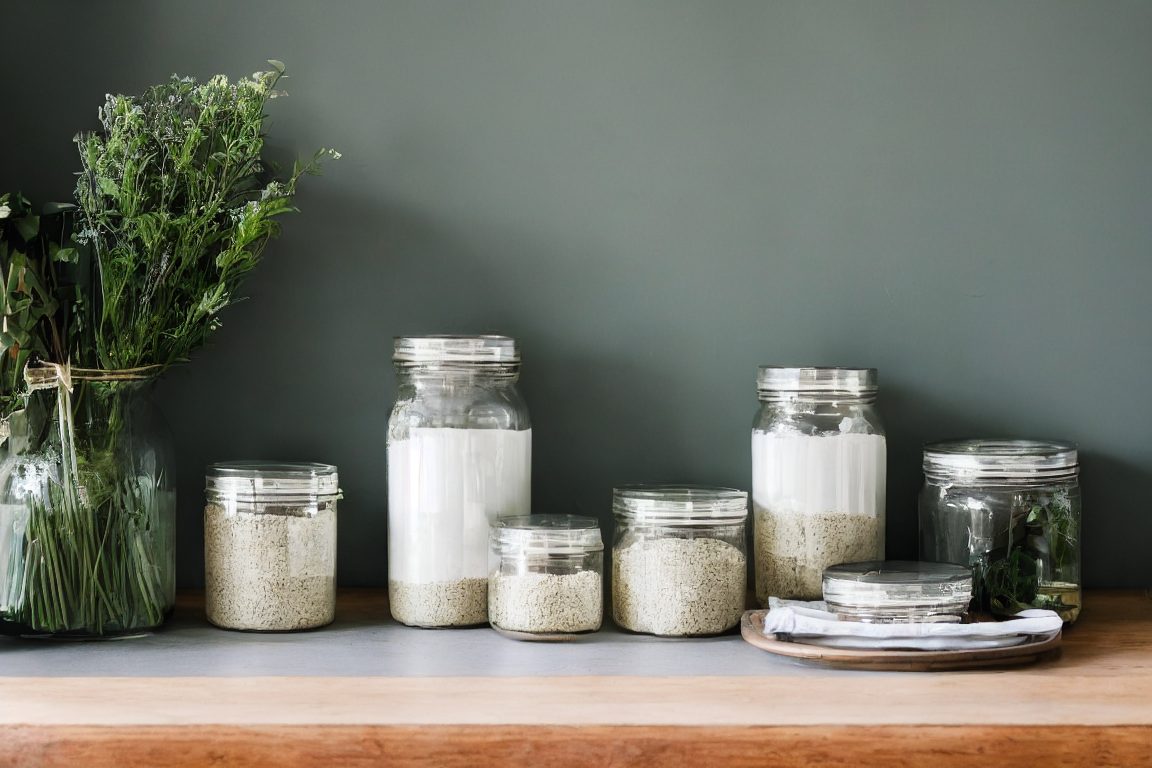
As the world becomes more aware of environmental sustainability and the potential health impacts of plastic usage, a significant shift towards finding safe and sustainable food storage alternatives is underway. This guide delves into practical options you can adopt to help reduce your reliance on traditional plastics while supporting a healthier planet and a healthier home.
Understanding the Need for Alternatives
Plastics, particularly the single-use kind, have become synonymous with pollution. They litter our oceans and crowd our landfills, taking centuries to decompose. However, the environmental toll is not the only concern. These materials can leach harmful chemicals like BPA and phthalates into our food, posing health risks such as endocrine disruption. Given these challenges, finding alternatives is crucial.
The need for alternatives stems from both environmental and health considerations. Environmentally, plastics contribute to the ever-growing waste in our ecosystems, disrupting marine life and contaminating soil. Health-wise, studies have connected plastic exposure to various health concerns, stressing the importance of reducing our reliance on them.
Common Health Risks Associated with Plastics
Before exploring alternatives, it's vital to understand the health implications of continued plastic use. Chemicals in plastics, such as Bisphenol A (BPA) and phthalates, can migrate into food and beverages, especially when heated or damaged.
- Endocrine Disruption: BPA and phthalates can interfere with hormone function, which is particularly concerning for pregnant women and young children.
- Cancer Risk: Prolonged exposure to certain plastic additives has been linked to an increased risk of cancer.
- Reproductive and Developmental Issues: Some studies suggest that plastics can affect development and reproduction, leading to birth defects and fertility issues.
- Respiratory Problems: The production and incineration of plastics release pollutants that can lead to respiratory ailments.
Materials for Safe and Sustainable Food Storage
Switching to sustainable materials offers not only environmental benefits but also health safety. Let's explore the concrete steps for selecting alternatives and what each offers:
Glass
Glass is a non-reactive, durable choice for food storage. It doesn't absorb odors or flavors and won't leach chemicals into your food.
- What to Look For: Choose tempered glass for added strength, pyrex for oven safety, and make sure containers have airtight lids.
- Common Mistakes: Overcrowding freezers with glass containers raises the risk of breaking due to expansion when contents freeze.
- Quick-start Checklist: Invest in a set of various sizes, and ensure each piece is labeled microwave and dishwasher safe.
Stainless Steel
Stainless steel offers a lightweight, rust-resistant option that won't stain or retain food smells.
- What to Look For: Select food-grade stainless steel to avoid contamination, and choose products with silicone seals for better insulation.
- Common Mistakes: Avoid storing acidic foods like tomatoes directly in stainless steel to prevent metallic tastes.
- Quick-start Checklist: Look for stackable designs and ensure they are labeled as 'food safe' to guarantee quality.
Silicone
Food-grade silicone is versatile, flexible, and heat resistant, making it suitable for microwaving and freezing.
- What to Look For: Ensure it's labeled as 100% food-grade silicone, and check for BPA-free certifications.
- Common Mistakes: Using abrasive cleaners on silicone can shorten its lifespan.
- Quick-start Checklist: Start with reusable silicone bags and baking mats, verifying they are safe up to high temperatures.
Bamboo
Bamboo is an eco-friendly renewable resource, used mainly for lids and wraps.
- What to Look For: Seek out bamboo products that are untreated and certified chemical-free to avoid harmful varnishes or glues.
- Common Mistakes: Using bamboo lids in the dishwasher can lead to warping.
- Quick-start Checklist: Begin by replacing plastic wrap with bamboo wraps for dry foods, checking for biodegradable labels.
Beeswax Wraps
Beeswax wraps provide a reusable, compostable option for wrapping items like bread and cheese.
- What to Look For: Ensure wraps are made with organic cotton and sustainable beeswax.
- Common Mistakes: Avoid using with raw meats and hot foods to maintain their integrity.
- Quick-start Checklist: Clean with cold water and mild soap; verify natural ingredients like jojoba oil and tree resin are included for flexibility.
Linen and Cotton Bags
Linen and cotton bags are ideal for storing produce due to their breathable nature.
- What to Look For: Choose bags with a food-safe lining or natural wax coating for better moisture control.
- Common Mistakes: Do not store wet produce as it can encourage mold growth.
- Quick-start Checklist: Identify bags made with GOTS-certified organic cotton for trusted quality.
Practical Tips for Adopting Sustainable Food Storage
Adopting sustainable storage doesn't have to be overwhelming. Here's how you can ease into the transition:
Start Small
Begin by replacing the most frequently used plastic items with sustainable alternatives that fit your lifestyle.
- Action Steps: Create an inventory of your current plastic use and prioritize items to replace first. Start with lunch boxes or frequently used storage containers.
Seek Versatility
Choose containers that can serve multiple purposes to minimize the need for numerous storage solutions.
- Action Steps: Look for modular containers that fit seamlessly in your pantry and fridge, and consider multifunctional lids for stacking.
Correct Care
To ensure longevity, follow care instructions carefully.
- Action Steps: Read maintenance tips specific to each material, such as washing techniques and temperature guidelines to prevent damage.
Responsible Disposal
When items do reach the end of their life, dispose of them responsibly or find ways to repurpose them.
- Action Steps: Separate compostable materials like beeswax wraps and recycle glasses and metals in proper facilities.
Health and Safety Considerations
Safety should be a priority when investing in sustainable storage solutions. Here’s what to keep in mind:
Prioritize Food-grade Materials
Choose materials that ensure no harmful chemicals can leach into your food.
- Action Steps: Look for certifications such as FDA approval and BPA-free labels. Avoid containers with visible scratches or cracks as they might harbor bacteria.
Mind the Heat
Understand the temperature limits of your storage materials to keep your family safe.
- Action Steps: Check labels for specific heat tolerances; avoid using heat-sensitive materials in dishwashers or ovens.
Seal it Right
Maintaining food freshness depends much on how airtight your storage is.
- Action Steps: Ensure lids fit tightly and consistently check seals for wear and tear. Consider investing in high-quality seals that are replaceable for longer product life.
The Eco-Friendly Impacts
Moving away from plastic isn't just about the materials you use—it's about supporting broader environmental efforts. When you opt for biodegradable or renewable resources, you help foster a market for sustainable practices and boost businesses that prioritize green initiatives.
Supporting Sustainable Businesses
Many companies strive to produce goods that are eco-friendly, and choosing their products supports this globally important shift.
- Action Steps: Research businesses committed to sustainability, check for certifications, and look for brands with transparent environmental policies.
Contributing to Environmental Wellness
Using sustainable storage solutions reduces your carbon footprint indirectly by lessening the demand for petroleum-based plastics.
- Action Steps: Regularly evaluate your consumption habits and make continuous improvements to lessen your impact on the planet.
Embrace the transition to sustainable food storage solutions. Each step you take not only protects your health but also contributes to a cleaner, greener planet. Make a choice today for a more sustainable tomorrow.
As an Amazon Associate, The Clean Code earns from qualifying purchases.
Featured Product

FEBU Compostable Food Storage Bags Variety Pack, 260 Count | Compostable & Biodegradable | PFAS & BPA Free | Drawer Organizer Box | 90 Snack, 90 Sandwich, 50 Quart, 30 Gallon
Top-rated eco-friendly product for Safe and Sustainable Food Storage: Beyond Plastic Alternatives. Available on Amazon.
View on Amazon →You May Also Like
10 Non-Toxic Cleaning Hacks for a Healthier Home
10/9/2025
Switch your home to safe and simple alternatives with these easy DIY cleaning tricks.
Read More →
The Clean Cookware Guide: Healthier Materials for Everyday Cooking
10/11/2025
Discover which cookware materials are safest for your health and how to build a toxin-free kitchen.
Read More →
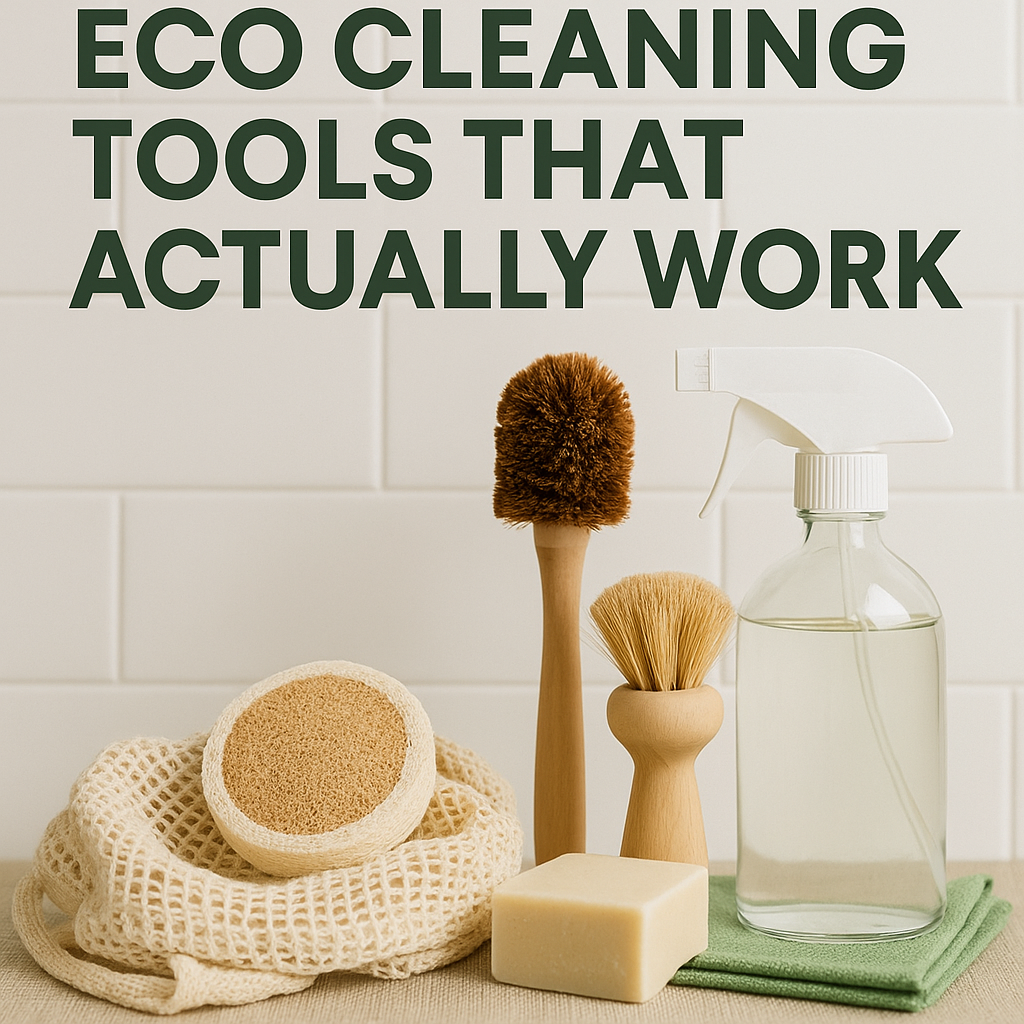
Eco Cleaning Tools That Actually Work
10/13/2025
Swap plastic sponges and wasteful paper towels for durable, sustainable tools that clean better and last longer.
Read More →