
Green Gardening Cheats: How to Start a Sustainable Home Garden
5/3/2026
⏱ 3-minute read
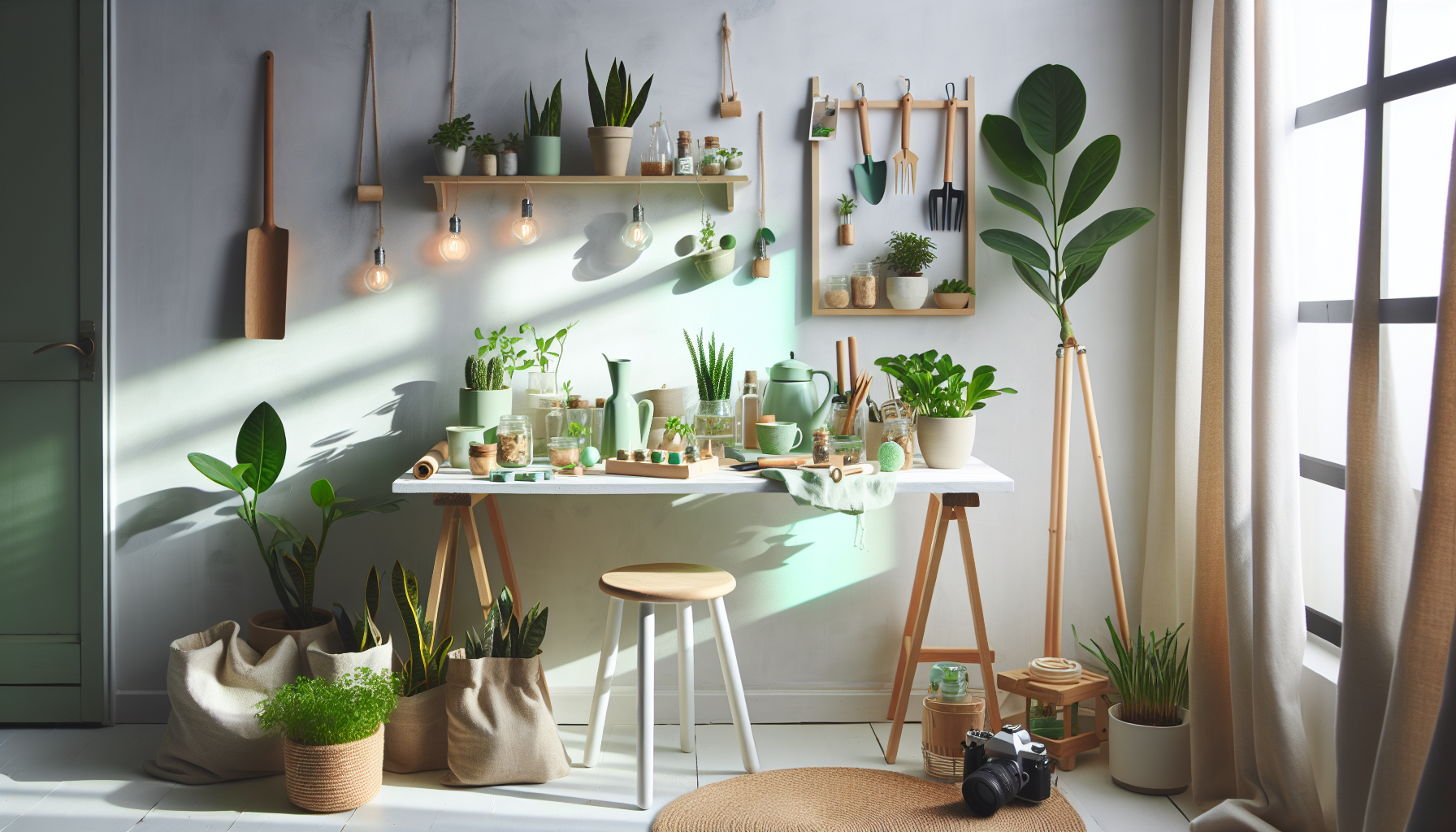
Planning Your Sustainable Garden
Starting your own sustainable home garden is an enriching endeavor for both you and the environment. The first step involves assessing your available space—whether it's a backyard, a balcony, or a patch on the rooftop. Focus on areas receiving at least 6-8 hours of sunlight daily as light is crucial for plant health.
Choosing the Right Plants is essential. Opt for native plants that thrive in your local climate, ensuring less water and maintenance. Companion planting can further enhance growth and naturally prevent pest infestations.
Soil health can't be overlooked. Incorporate organic soil or consider creating your own compost using kitchen and garden waste. Healthy soil enriches plants and cuts down on synthetic fertilizer use.
Sustainable Gardening Practices
Adopting sustainable gardening practices conserves resources and enhances garden efficiency. Begin with Watering Wisely. Rain barrels and garden swales are excellent for capturing rainwater naturally. Use drip irrigation systems to optimize water use.
For pest control, steer clear of chemicals. Employ organic solutions like neem oil, or invite beneficial insects like ladybugs into your garden. Companion planting remains a reliable partner in natural pest deterrence.
Composting plays a pivotal role in sustainable gardening. Setting up a compost bin helps recycle kitchen scraps into nutrient-rich soil, reducing landfill contributions.
Eco-Friendly Tools and Materials
Investing in eco-friendly gardening tools ensures durability and reduces waste. Opt for tools made from recycled or sustainably sourced materials. When it comes to Mulching, choose organic options like straw or wood chips to retain soil moisture and add nutrients as they decompose.
Get creative by repurposing household items. Use egg cartons for seed starting or old containers as planters, minimizing plastic waste.
Health and Safety Considerations
When handling garden products, select those labeled as organic and free from toxic chemicals. This choice ensures the safety of your food and the garden ecosystem.
Proper storage and ergonomic practices can prevent physical strain and garden mishaps. Secure rain barrels to avoid mosquitoes and ensure they are stable. Use knee pads or garden stools for comfort while tending to your plants.
Encouraging Biodiversity
A sustainable garden thrives with biodiversity. Cultivate a pollinator-friendly environment by planting diverse flowers to attract bees and butterflies. Additionally, creating wildlife habitats using logs, rocks, and bird baths fosters beneficial organisms.
Kickstart your journey with our Sustainable Seed Starter Kit, which simplifies growing your sustainable garden with organic seeds and biodegradable pots.
Embarking on a sustainable gardening path nurtures both the Earth and your lifestyle. Every garden planted is a step towards a greener tomorrow.
As an Amazon Associate, The Clean Code earns from qualifying purchases.
Featured Product

Sustainable Seed Starter Kit
This all-in-one seed starter kit is perfect for eco-conscious gardeners eager to grow herbs and veggies sustainably. With organic seeds, biodegradable pots, and easy-to-follow instructions, it’s designed for hassle-free, non-toxic gardening.
View on Amazon →You May Also Like
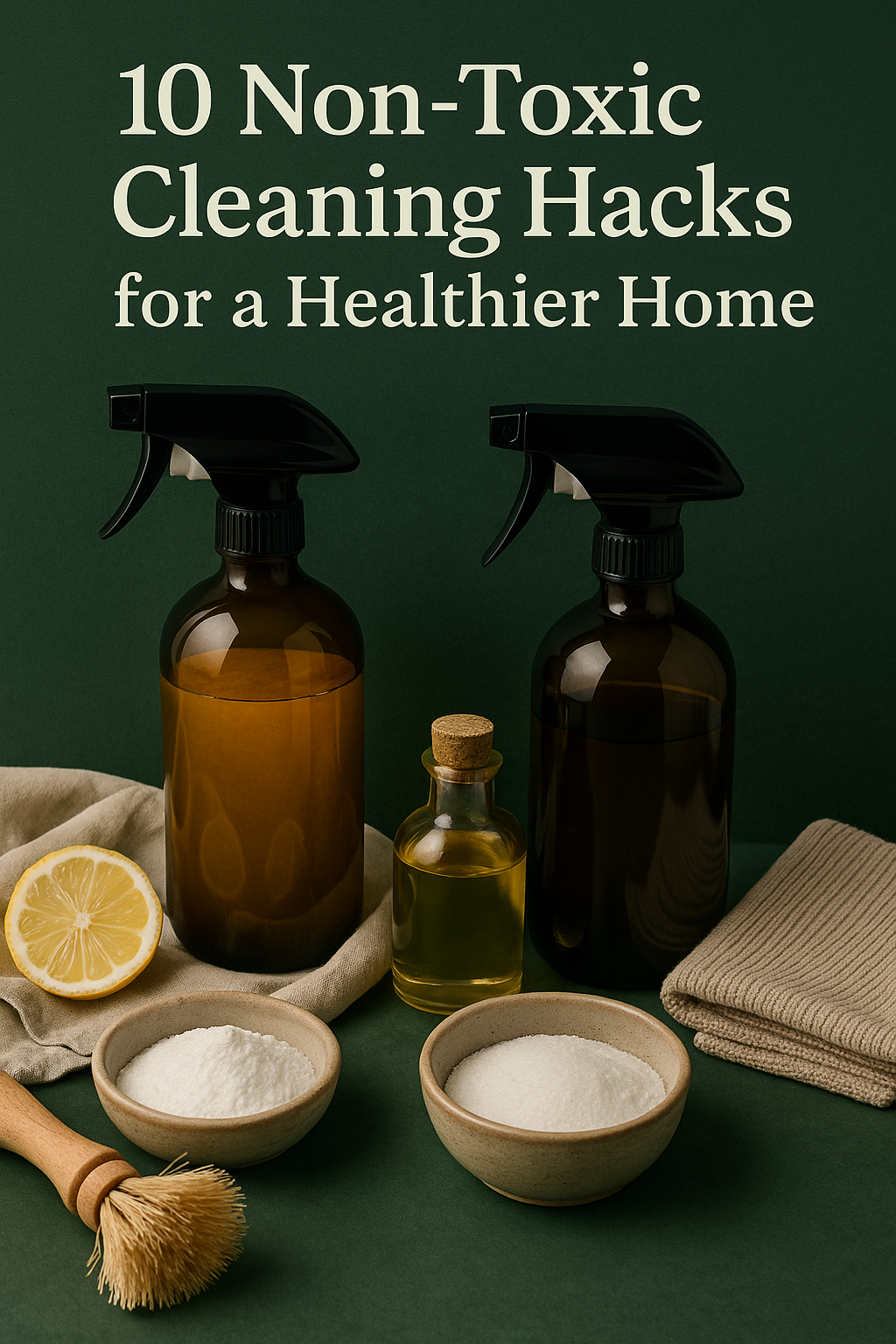
10 Non-Toxic Cleaning Hacks for a Healthier Home
10/9/2025
Switch your home to safe and simple alternatives with these easy DIY cleaning tricks.
Read More →
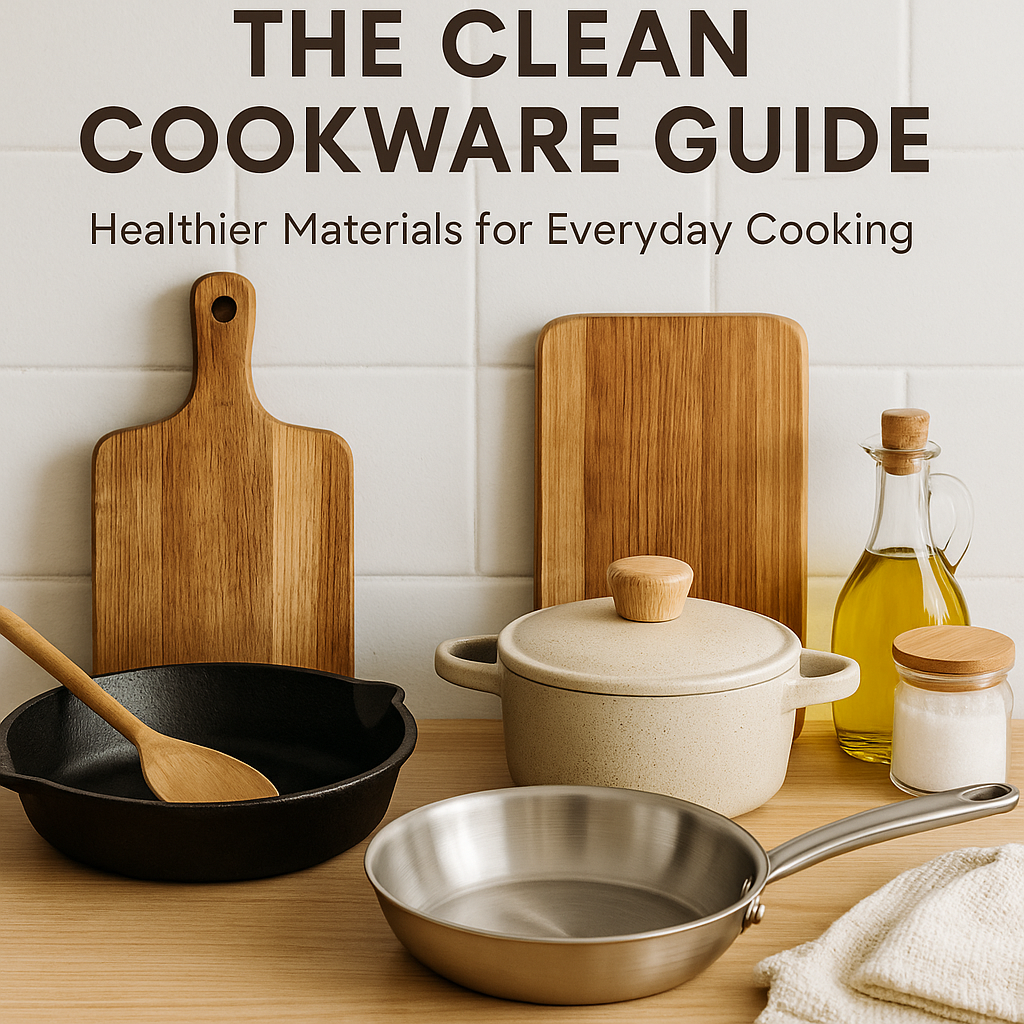
The Clean Cookware Guide: Healthier Materials for Everyday Cooking
10/11/2025
Discover which cookware materials are safest for your health and how to build a toxin-free kitchen.
Read More →
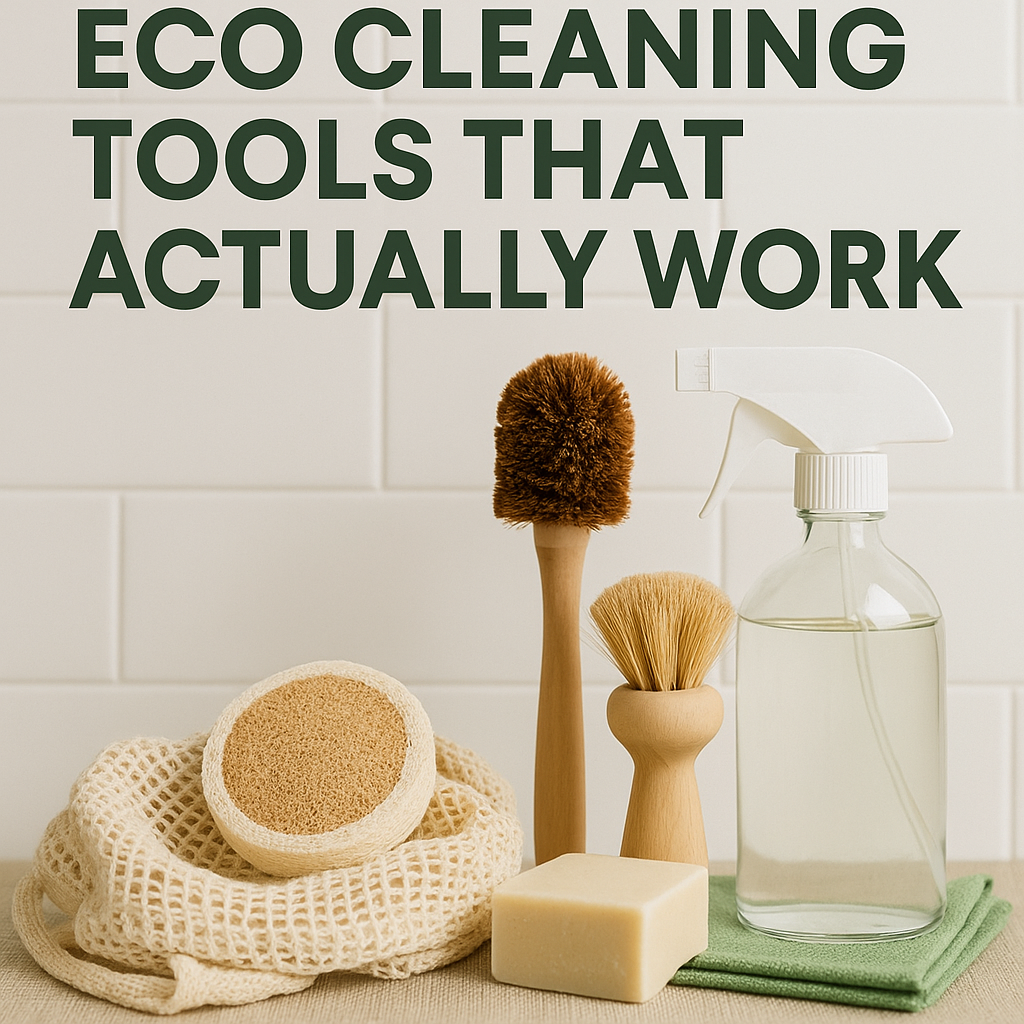
Eco Cleaning Tools That Actually Work
10/13/2025
Swap plastic sponges and wasteful paper towels for durable, sustainable tools that clean better and last longer.
Read More →