
Sustainable Home Office Setup: Products and Practices
4/20/2026
⏱ 6-minute read
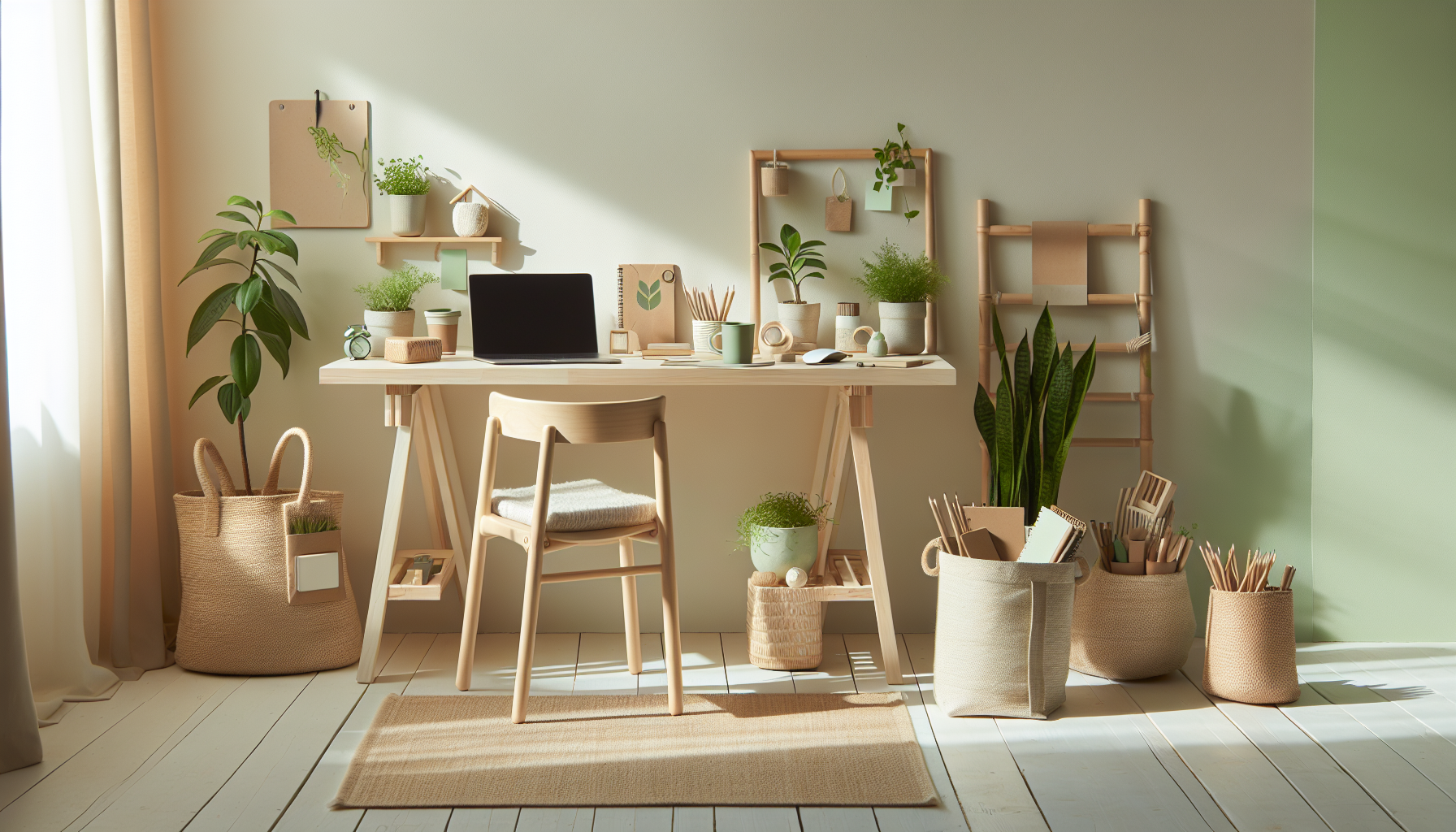
Creating a sustainable home office setup is an excellent way to reduce your environmental impact while promoting a healthier work environment. With thoughtful selection of products and mindful practices, your workspace can become an eco-friendly haven of productivity and well-being.
Eco-friendly Furniture for a Greener Office
Choosing the right furniture can significantly impact the sustainability of your home office. Opt for pieces made from sustainable materials like bamboo, reclaimed wood, or recycled metals. These materials are not only biodegradable or recyclable but also come with a unique aesthetic appeal. To ensure truly responsible sourcing, look for certifications such as FSC (Forest Stewardship Council) or Cradle to Cradle.
When selecting furniture, consider modular options that allow for easy repair and part replacement instead of full replacement when it wears out. Avoid materials treated with harmful chemicals like formaldehyde; instead, choose items crafted with natural treatments or finishes. If buying second-hand, inspect for sturdiness and signs of wear to ensure longevity.
Quick-start checklist for sustainable furniture:
- Look for FSC-certified wood products.
- Opt for items made with recyclable metals.
- Avoid chemically-treated materials.
- Consider second-hand or upcycled furniture options.
- Explore modular or easily repairable designs.
Energy-efficient Electronics
When it comes to electronics, choosing devices that are energy-efficient can substantially lower your power consumption. Consider purchasing ENERGY STAR-rated computers, monitors, and printers. These devices consume less electricity, thereby reducing your carbon footprint. Additionally, laptops are a more sustainable choice compared to desktops, as they typically require less energy.
Utilize power management settings to put devices in standby or sleep mode when not in use. Invest in a smart power strip that can cut off power to electronics that aren’t actively used, preventing phantom energy drain. Regularly update software to ensure energy efficiency improvements are harnessed.
Avoid common pitfalls by not overloading your workspace with unnecessary gadgets, which increase energy use. Understand the impact of cloud storage on energy use and consider local options whenever feasible.
Buying guide tips:
- Ensure electronics have ENERGY STAR certification.
- Choose laptops over desktops when possible for reduced energy consumption.
- Utilize power management features.
- Invest in smart power strips to eliminate standby power usage.
- Limit the number of electronics to what is truly necessary.
LED Lighting for Long-term Savings
Lighting is another crucial component in creating a sustainable office. Replace traditional incandescent bulbs with LEDs, which consume significantly less energy and have a much longer lifespan. To further reduce reliance on artificial lighting, make the most of natural light by arranging your workspace near windows.
Incorporate task lighting that focuses light where it’s needed, rather than illuminating entire rooms. This approach not only saves energy but also improves visibility and reduces eye strain. Choose dimmable LED options to customize lighting according to your working conditions or time of day.
To maximize natural light, use light-colored walls and mirrors to reflect sunlight deeper into the room. Install window treatments that manage glare and reduce heat gain during hotter months to maintain comfort without over-reliance on artificial cooling systems.
Effective lighting strategies:
- Install LED lights and discard incandescent bulbs.
- Use task lighting for precision work.
- Position desks near windows to utilize natural light.
- Opt for dimmable LEDs to adjust lighting as needed.
- Enhance natural light using reflective surfaces.
Embrace Eco-friendly Office Supplies
Office supplies can often contribute to environmental degradation if not chosen carefully. Opt for recycled paper, refillable pens, and non-toxic, biodegradable cleaning products. Brands like Tree-Free and TerraCycle offer a range of sustainable options that can help you maintain an eco-conscious office environment. Consider using a Fellowes Bamboo Office Desk Organizer to keep your desk tidy while supporting environmental sustainability.
Additionally, choose digital tools over paper when possible and reduce printing by using double-sided features. Opt for supplies that offer transparency about their ingredients and production processes, focusing on those that minimize plastic use.
Be aware of common mistakes, such as assuming all paper labeled as recycled is environmentally friendly without verifying the percentage of post-consumer content. Prioritize long-lasting items over disposable ones, despite slightly higher upfront costs.
Checklist for sustainable office supplies:
- Choose supplies made from recycled materials with clear ingredient transparency.
- Use refillable pens and other reusable office products.
- Implement digital solutions to reduce paper use.
- Verify post-consumer content levels in recycled products.
- Opt for durable over disposable items for long-term savings.
Plants for Improved Air Quality
Integrating plants into your home office not only enhances air quality but also creates a calming environment conducive to productivity. Plants like peace lilies, snake plants, and bamboo palms are excellent air purifiers, removing indoor pollutants and increasing oxygen levels.
Ensure you choose plants that can thrive in the available lighting conditions and require manageable levels of care appropriate to your availability. Understand any allergies or sensitivities people in the home may have before selecting specific species.
Remember to use organic soil and pots made from sustainable materials like ceramic or recycled metal, avoiding plastic wherever possible.
Steps for improving office air quality with plants:
- Select air-purifying plants (e.g., peace lilies, snake plants).
- Place plants in areas with suitable light conditions.
- Use organic soil and non-plastic pots.
- Consider health factors, like allergies, when choosing plants.
- Regularly care for plants to ensure their health and your air quality.
Practical Practices for Sustainability
Implementing sustainable practices is just as important as choosing the right products. Here are some actionable steps:
- Reduce, Reuse, Recycle: Establish a recycling system for paper, plastics, and e-waste to minimize landfill contributions. Transitioning to digital document management can further reduce paper use.
- Conserve Energy: Unplug electronics when not in use and employ power strips to easily switch off multiple devices. Adjust your thermostat to save on energy costs.
- Sustainable Commuting: For necessary meetings, consider public transport, carpooling, or cycling to decrease carbon emissions.
Consider implementing a sustainability schedule that incorporates checking and replacing air filters, adjusting thermostat settings according to season changes, and periodic decluttering to maintain a sustainable workspace.
Prioritizing Health and Safety
Maintaining a healthy work atmosphere is crucial in a home office setup. Ensure proper ergonomic setups with adjustable chairs and desks to support posture and circulation. Optimal air quality can be achieved with adequate ventilation and air purifiers in tight spaces.
Incorporate anti-fatigue mats if standing desks are used and set monitors at eye level to avoid neck strain. Ensure regular movement to counteract the effects of prolonged sitting.
Maintain a safe and non-toxic environment by using non-VOC (volatile organic compounds) paints and cleaning products during interior maintenance.
Well-being and Productivity
Personalizing your workspace with elements that lower stress, such as art or family photos, can improve mental well-being. Incorporate regular breaks and movements into your routine to prevent physical issues like repetitive strain injuries.
Add elements like aroma diffusers with essential oils known for promoting calmness or focus. Consider a digital detox period each day to give your mind and eyes a break from screens.
Engage in mindful practices such as meditation or deep-breathing exercises at the start or end of your workday to enhance your mental state and work productivity.
Common Mistakes to Avoid
When setting up your sustainable home office, avoid these frequent pitfalls:
- Over-purchasing: Only acquire what is necessary to prevent resource waste.
- Ignoring certifications: Always check for credible sustainability certifications to confirm product claims.
- Neglecting regular maintenance: Keep up with necessary upkeep of furniture, electronics, and plants to extend their lifecycle.
- Disregarding ergonomic needs: Invest in and arrange ergonomic products to avoid long-term health risks.
Transforming your home office to a sustainable one is a meaningful journey. Every small step is a stride towards a greener planet and a healthier you. Let's continue to inspire change, one choice at a time.
As an Amazon Associate, The Clean Code earns from qualifying purchases.
Featured Product

Fellowes Bamboo Office Desk Organizer
The Fellowes Bamboo Office Desk Organizer is perfect for a sustainable home office setup. Made from natural bamboo, a rapidly renewable resource, this organizer is non-toxic and stylish, helping you keep your workspace tidy and environmentally friendly.
View on Amazon →You May Also Like

10 Non-Toxic Cleaning Hacks for a Healthier Home
10/9/2025
Switch your home to safe and simple alternatives with these easy DIY cleaning tricks.
Read More →

The Clean Cookware Guide: Healthier Materials for Everyday Cooking
10/11/2025
Discover which cookware materials are safest for your health and how to build a toxin-free kitchen.
Read More →
Eco Cleaning Tools That Actually Work
10/13/2025
Swap plastic sponges and wasteful paper towels for durable, sustainable tools that clean better and last longer.
Read More →