Sustainable and Green Practices for Pet Owners
5/5/2026
⏱ 6-minute read
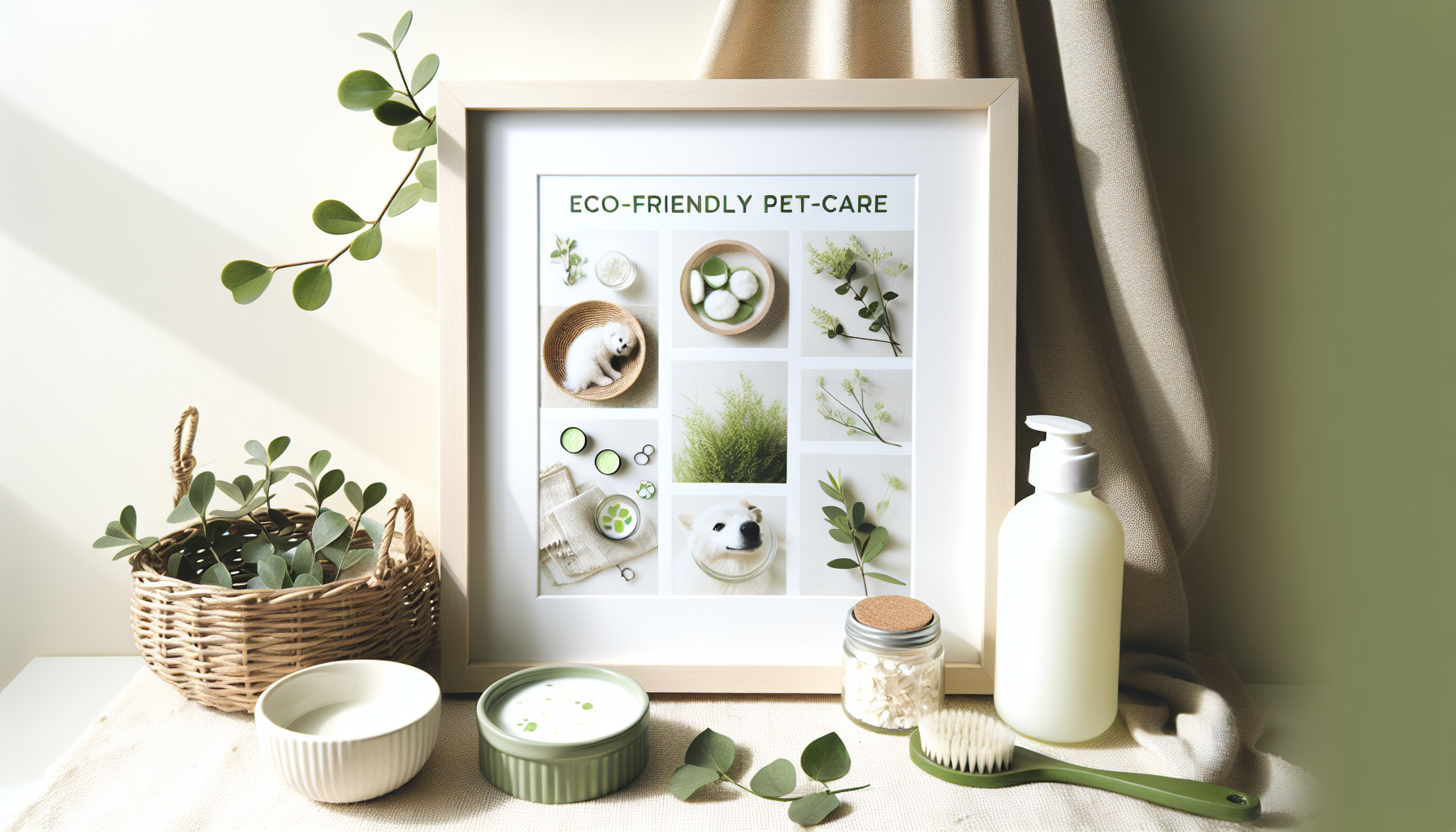
As pet owners, our responsibility extends beyond just ensuring our furry friends are well-cared for — it includes considering the impact our pet-related choices have on the environment. Implementing sustainable and green practices helps reduce our carbon footprint and promotes a healthier living environment for our pets. Here are some actionable steps pet owners can take to integrate sustainability into their routines.
Sustainable Pet Food Choices
Choosing the right food is fundamental to your pet’s health and environmental stewardship. Opt for eco-friendly brands that use sustainably sourced ingredients and environmentally friendly packaging. Certifications such as MSC for fish-based foods and organic labels for others indicate a commitment to sustainability. Pet foods displaying these certifications have passed rigorous testing to verify their minimal environmental impact and responsible sourcing practices.
For pets like dogs that thrive on plant-based diets, reducing reliance on resource-intensive meat production is a practical step. Plant proteins, such as lentils and peas, provide essential nutrients without the environmental cost of meat. However, it’s essential to consult with your veterinarian to ensure nutritional completeness tailored to your pet’s specific dietary needs.
Buying food in bulk from sustainable sources can minimize packaging waste. Look for brands that use compostable or recyclable materials for large bags. When possible, support local pet food shops that offer refill stations, allowing you to bring your own containers, thus reducing single-use packaging.
Quick-Start Checklist for Sustainable Pet Food:
- Look for organic and MSC-certified labels.
- Choose bulk purchases with minimal packaging.
- Consider plant-based options where nutritionally suitable.
- Discuss dietary changes with your veterinarian.
Green Grooming Products
Grooming products free from harmful chemicals are essential for both pet health and environmental safety. When choosing shampoos and conditioners, select those derived from natural ingredients, such as aloe vera, oatmeal, and essential oils, rather than synthetic fragrances or harsh detergents.
Seek products packaged in recyclable or compostable materials, with transparent ingredient lists and sustainability certifications. Certifiably cruelty-free products ensure no animal testing was conducted, aligning with ethical consumption practices.
Water conservation is equally important. Use water-efficient techniques, such as washing pets with buckets instead of hoses or selecting dry shampoos when appropriate, which limit water use and reduce detrimental run-off into the ecosystem.
Green Grooming Quick-Start Checklist:
- Choose certified cruelty-free and natural ingredient products.
- Use water-saving washing methods or dry shampoos.
- Ensure packaging is recyclable or compostable.
Eco-friendly Toys and Accessories
The market is brimming with sustainable toys and accessories made from natural, recycled, and sustainable materials like hemp and organic cotton. Choose toys filled with recycled materials like plastic bottles or fibers, reducing reliance on virgin resources.
Opting for durable products reduces waste and the need for frequent replacements. Durable materials like natural rubber or specially treated recycled plastics ensure longevity and safety for your pets. Consider brands offering take-back programs for old toys, closing the loop on toy lifecycle.
When purchasing accessories like collars and leashes, materials such as bamboo or recycled polyester are excellent eco-friendly choices. Bamboo grows rapidly and sustainably, while recycled polyester repurposes existing plastic waste, both options minimizing your pet’s environmental footprint.
Checklist for Buying Eco-friendly Pet Toys:
- Check for natural or recycled materials like hemp and bamboo.
- Seek out durable designs to minimize waste.
- Consider brands with take-back or recycling programs.
Waste Management
Managing pet waste responsibly can significantly reduce your environmental impact. Use biodegradable waste bags to minimize plastic pollution. Verify that they are labeled as certified compostable, ensuring they decompose effectively in municipal or home composting conditions.
Where feasible, home composting of pet waste is an option. It’s imperative to follow local guidelines to protect health and avoid contamination. Research proper composting practices specific to pet waste, ensuring pathogens are neutralized. Always keep compost bins sealed and away from edible plants.
For feline friends, choose eco-friendly cat litters made from renewable materials like recycled paper or corn, steering clear of clumping clay litters which are environmentally taxing. Some brands offer fully compostable alternatives, significantly reducing landfill contributions.
Quick Tips for Commercial Waste Management:
- Use certified compostable bags for dog waste.
- Research local composting guidelines for pet waste.
- Choose litter made from natural, renewable resources.
Mindful Water and Energy Use
Practicing mindful water and energy use complements sustainable pet ownership. Clean pet-related items with eco-friendly detergents, which break down without harming aquatic life upon entering waterways. For washing bedding or toys, try to minimize water use and energy consumption by opting for cold water washes and line drying whenever possible.
Incorporate energy-saving measures such as using LED bulbs and programmable thermostats. These adjustments ensure your pets remain comfortable and healthy while conserving energy. Especially in climates requiring frequent heating or cooling, these small changes can substantially reduce your household carbon footprint.
Energy and Water Efficiency Checklist:
- Use cold water for pet laundry and air dry.
- Install LED lights in areas pets frequent.
- Choose eco-friendly cleaning products for pet items.
Household Adjustments
Creating a pet-friendly and toxic-free home involves adopting natural pest control methods, such as essential oils or diatomaceous earth, which are safe alternatives to conventional pesticides. Essential oils like lavender or eucalyptus can deter pests and provide a calming environment.
Additionally, cultivate a pet-friendly garden using native plants suited to your climate. Avoid chemical fertilizers and pesticides that can pose health risks to pets. Manually removing pests or using natural barriers, like coffee grounds or neem oil, maintains your garden's health without introducing toxins.
Checklist for a Pet-Friendly Home:
- Use natural alternatives for pest control.
- Grow native plants to support local ecosystems.
- Avoid using chemical fertilizers or pesticides.
Health and Safety Considerations
Always prioritize the safety of products used around pets, ensuring toys, grooming items, and cleaning agents do not harbor toxins or pose hazards. Conduct regular checks for small parts on toys that could be swallowed.
Discuss any major changes to diet or lifestyle with your veterinarian to ensure they support your pet’s health and nutritional needs. Sudden changes can be stressful or harmful without proper transition.
By making educated choices, you reinforce a safe, eco-friendly environment for both pets and owners alike.
Common Mistakes to Avoid:
- Neglecting to consult a vet before dietary changes.
- Using harsh chemicals near pet areas.
- Overlooking the quality and durability of pet toys.
Adopting these sustainable practices fosters a nurturing ecosystem that benefits both pets and the planet. As conscientious pet owners, we can amplify our positive impact by educating ourselves, advocating for sustainability, and making greener choices daily. Embrace the journey towards a cleaner, healthier future for your beloved companions.
In the words of legendary animal advocate Jane Goodall, "What you do makes a difference, and you have to decide what kind of difference you want to make." Embrace the journey of sustainable pet care—you are making a meaningful impact.
As an Amazon Associate, The Clean Code earns from qualifying purchases.
Featured Product

Biodegradable Dog Poop Bags
These eco-friendly dog poop bags from Earth Rated are made with recycled materials and are extra thick to protect against leaks, making clean-up easy and sustainable for pet owners dedicated to green practices.
View on Amazon →You May Also Like
10 Non-Toxic Cleaning Hacks for a Healthier Home
10/9/2025
Switch your home to safe and simple alternatives with these easy DIY cleaning tricks.
Read More →

The Clean Cookware Guide: Healthier Materials for Everyday Cooking
10/11/2025
Discover which cookware materials are safest for your health and how to build a toxin-free kitchen.
Read More →
Eco Cleaning Tools That Actually Work
10/13/2025
Swap plastic sponges and wasteful paper towels for durable, sustainable tools that clean better and last longer.
Read More →