Sustainable Plumbing Solutions: Eco-Conscious Water Use and Fixtures
4/27/2026
⏱ 6-minute read
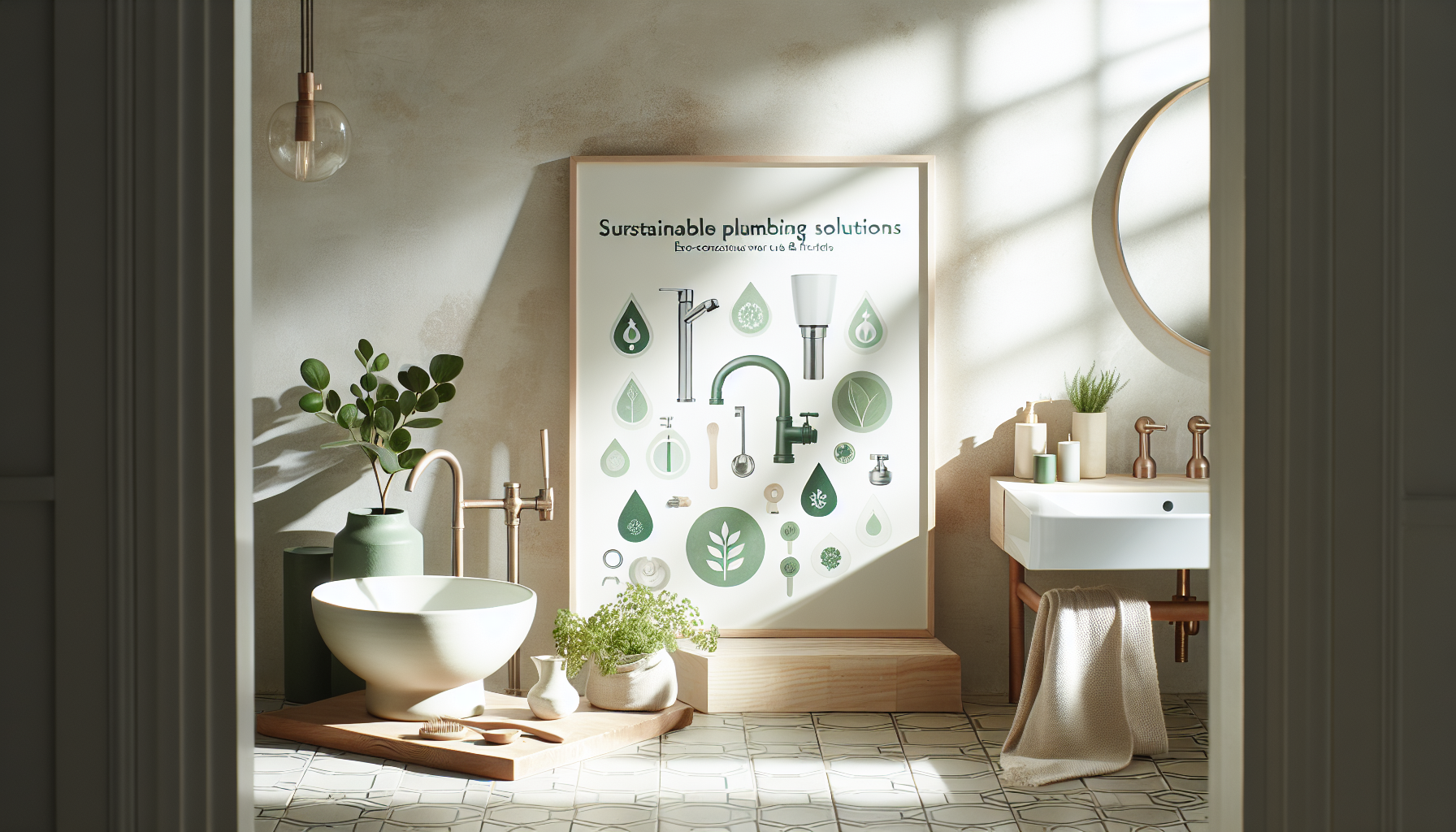
In today's rapidly changing world, adopting sustainable practices is more important than ever, especially in our homes where water and energy usage can significantly impact the environment. Sustainable plumbing focuses on minimizing this impact through efficient water use and eco-conscious materials, which not only contribute to resource conservation but also enhance the health and safety of your living space.
Water-Saving Fixtures and Appliances
Switching to water-saving fixtures is one of the simplest yet most effective ways to conserve resources at home. For instance, low-flow fixtures like faucets, showerheads, and toilets can drastically reduce water consumption without sacrificing performance. When shopping for these fixtures, look for the EPA's WaterSense labeled products, which are certified to use at least 20% less water compared to conventional models. The key is ensuring they maintain strong pressure for effective use—read reviews and check for independent certifications alongside the WaterSense label.
Another option is installing dual-flush toilets, which provide two flush settings: one for liquid waste using less water and another for solid waste. This setup can save a household thousands of gallons annually. Ensure the toilet is efficiently designed, with a user-friendly flush mechanism that encourages proper use by everyone in the household.
To further enhance efficiency, consider Energy Star-rated dishwashers and washing machines. These appliances are engineered for reduced water and energy use. For dishwashers, look for features like soil sensors, which determine the run time based on the cleanliness of the load. For washing machines, front-loading models typically use less water and are more efficient at cleaning clothes than top loaders.
Greywater Systems
Greywater recycling systems are a powerful solution for repurposing water from household uses such as sinks, baths, and laundry. This cleaned and treated water can then be used again for applications like irrigation or flushing toilets, significantly easing the demand on fresh water resources and the local sewage infrastructure.
When considering installing a greywater system, start by assessing which areas in your home mostly use moderate-quality water, such as the laundry room and bathrooms. Look for systems that offer robust filtration, as thorough processing is crucial for safe reuse. It's also essential to familiarize yourself with local regulations regarding greywater use; in some places, permits or specific system designs might be required.
Proper installation is critical. Engage with professional installers who understand local guidelines and can tailor a system to fit your home’s unique needs and layout. This not only optimizes functionality but ensures long-term reliability and safety.
Rainwater Harvesting
Consider implementing a rainwater harvesting system to supplement your household water needs. These systems collect rainwater from rooftops, storing it in barrels or tanks with appropriate filtration for future use in gardens, toilets, and even laundry. This can greatly reduce reliance on municipal supplies and decrease your water bill.
When installing a rainwater harvesting system, evaluate your roof's material—metal and slate are ideal as they collect fewer contaminants. Choose a tank size that addresses your household's water usage without overwhelming available storage space. The filtration system should effectively remove debris and potential toxins to ensure safe usage throughout the home.
Additionally, consider how best to integrate your system with existing infrastructure for seamless operation, and ensure regular maintenance of your tanks and filters to prolong system life and efficiency.
Leak Detection and Repair
Regularly inspecting and maintaining your plumbing setup is vital for sustainable water use. Modern smart leak detection systems can alert you to leaks that might otherwise go unnoticed, helping to prevent wasted water and potential property damage. Look for systems that integrate with your smartphone or smart home assistants for real-time alerts and easy management.
Engage professionals for routine plumbing checks and prompt repairs. Myths about ignoring small leaks—such as thinking they aren't substantial enough to affect water use or costs—can lead to much bigger problems down the line, including structural damage or mold growth.
Sustainable Materials and Installation
When it comes to plumbing materials, opting for eco-friendly choices makes a significant difference. Copper and PEX pipes are two sustainable options. Copper is highly recyclable, while PEX boasts a lower environmental manufacturing footprint compared to traditional PVC. Copper is durable and corrosion-resistant but requires professional installation to avoid issues like pipe degradation or water quality concerns due to acidity.
PEX, on the other hand, is more flexible and resistant to freezing, making it an excellent option for climates with extreme temperatures. It’s relatively easier to install, but ensure the PEX pipe is rated for your specific water pressure and temperature requirements.
Health and Safety Considerations
Improving the quality of water in your home is achievable through advanced filtration systems that filter out contaminants, leading to healthier water consumption. For drinking water, consider a multi-stage filtration system or a reverse osmosis setup to remove a broader range of impurities.
Additionally, invest in iron filters or water softeners if your water source has high mineral content that could compromise health and damage plumbing fixtures over time. Backflow prevention devices are essential in plumbing systems to prevent the accidental contamination of potable water. These ensure one-way flow only, safeguarding your home against potential contamination from cross-connections.
Practical Tips for Everyday Water Conservation
- Encourage shorter showers and prompt repair of leaks, like dripping taps. A drip revealing a worn-out washer wastes near a gallon a minute.
- Only run dishwashers and laundry machines with full loads to maximize their efficiency.
- Adopt drought-resistant landscaping and use drip irrigation for gardens to minimize outdoor water use. Native plants typically require less water and tolerate local conditions better.
- Keep an eye on your water bill for spikes that might suggest unnoticed leaks or system inefficiencies.
Common Mistakes in Sustainable Plumbing
Understanding common pitfalls helps avoid costly errors down the line. One common mistake is opting for cheaper materials for immediate savings—yet, this often results in higher long-term costs through leaks, water damage, or inefficient performance.
Another frequent error is over-reliance on DIY installations without adequate expertise or understanding of local regulations. This not only risks system inefficiencies but can also lead to substantial repair costs if plumbing fails or doesn’t meet regulatory standards.
Ensure that all installations, particularly those involving water reuse or redistribution, are compliant with local building codes and professionally installed to validate your system's warranty and integrity.
FAQ
How often should I have my plumbing inspected?
Annual plumbing checks are recommended to ensure systems are operational and to catch potential issues before they become major problems.
What's the primary benefit of a smart leak detection system?
These systems provide real-time alerts and often detailed diagnostics, which can prevent minor leaks from escalating into severe water damage issues.
By incorporating sustainable plumbing solutions, we don’t just protect our planet; we prioritize eco-conscious living that benefits our wallets and personal health. Embrace this mindset to make tangible contributions toward a sustainable future, ensuring a safe and comfortable home environment for generations to come.
Take each step towards sustainability with confidence, knowing every drop saved contributes to a flourishing planet and a cleaner future.
As an Amazon Associate, The Clean Code earns from qualifying purchases.
Featured Product

Niagara Earth Massage Handheld Showerhead
The Niagara Earth Massage Handheld Showerhead delivers an invigorating shower experience while reducing water consumption by up to 40%. This showerhead is eco-friendly, non-toxic, and promotes sustainable water use, making it a perfect fit for any eco-conscious home.
View on Amazon →You May Also Like
10 Non-Toxic Cleaning Hacks for a Healthier Home
10/9/2025
Switch your home to safe and simple alternatives with these easy DIY cleaning tricks.
Read More →

The Clean Cookware Guide: Healthier Materials for Everyday Cooking
10/11/2025
Discover which cookware materials are safest for your health and how to build a toxin-free kitchen.
Read More →
Eco Cleaning Tools That Actually Work
10/13/2025
Swap plastic sponges and wasteful paper towels for durable, sustainable tools that clean better and last longer.
Read More →