Toxin-Free Furniture: How to Choose Safe and Sustainable Pieces
5/1/2026
⏱ 5-minute read
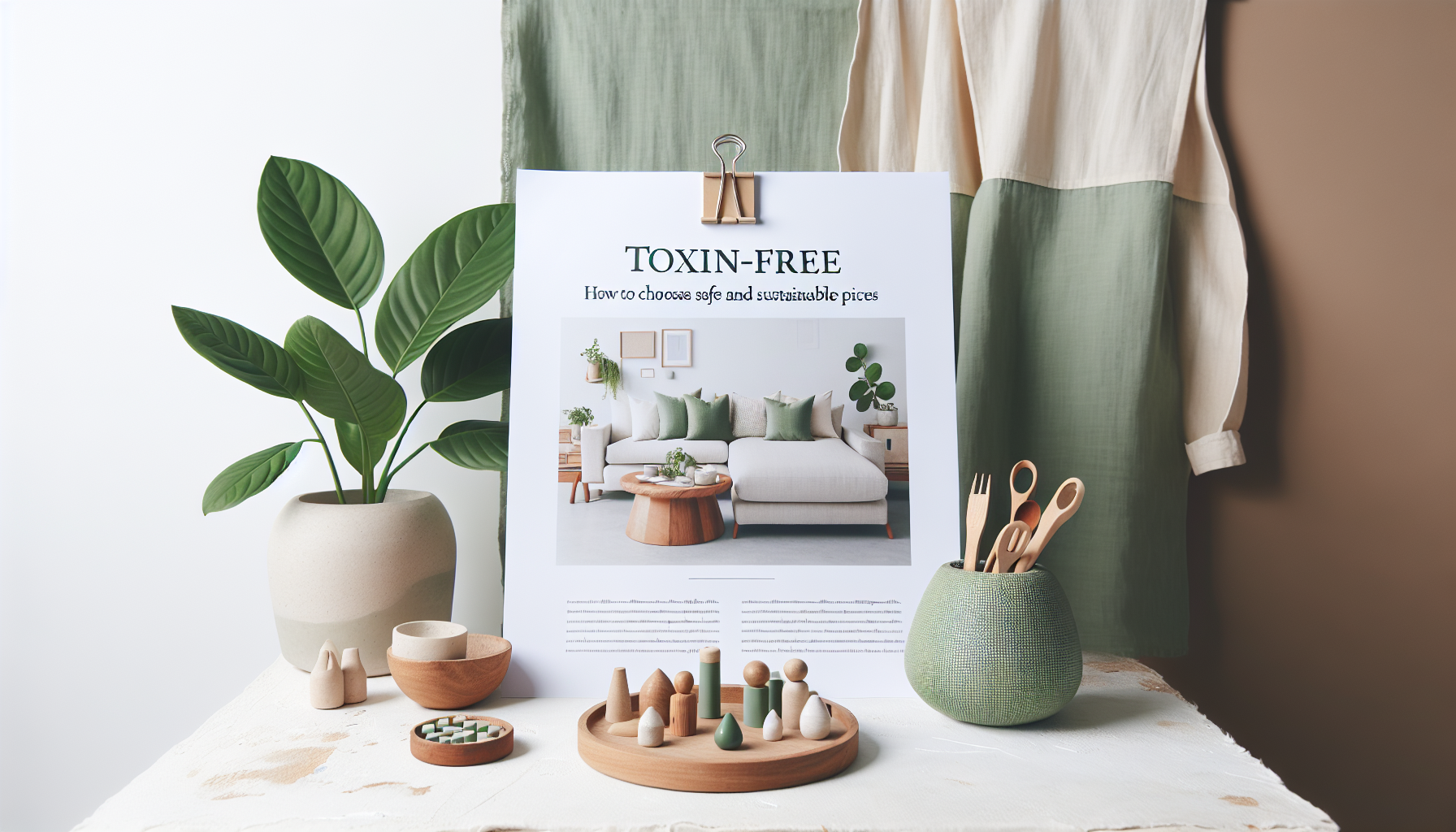
Creating a safe, sustainable, and eco-friendly home environment starts with the furniture you choose. Introducing toxin-free furniture into your living space is an impactful step towards ensuring a healthier household. Let's look at the essential aspects of choosing furniture that is both safe and environmentally responsible.
Understanding Toxin-Free Furniture
Many traditional furniture pieces are laden with harmful chemicals that can compromise indoor air quality and long-term health. Common toxins found in furniture include:
- Formaldehyde: Found in adhesives and resins used in pressed woods, it's a notorious irritant and carcinogen.
- Volatile Organic Compounds (VOCs): Often emitted from finishes, paints, and adhesives, contributing to indoor pollution.
- Flame Retardants: While intended to enhance safety, they often off-gas toxic substances.
- Phthalates and BPA: These add flexibility to plastics but are known for their hormonal disruption effects.
Exposure to such toxins can lead to respiratory issues, skin irritation, and even hormonal disruptions. Making informed choices becomes paramount in ensuring health safety indoors.
When selecting toxin-free furniture, understanding what to avoid is just as crucial. To begin with, pressed wood furniture and items with glossy finishes are often laden with high levels of VOCs and formaldehyde. Opting for natural materials and finishes greatly reduces exposure to these harmful chemicals.
Tips for Choosing Toxin-Free Furniture
Material Selection
When it comes to materials, consider:
- Solid Wood: Opt for pieces made from solid wood, preferably those that carry a certification from the Forest Stewardship Council (FSC). This ensures not only toxin-free materials but also sustainable sourcing, crucial in preserving global forests.
- Natural Fibers: Choose textiles crafted from organic cotton, wool, linen, or hemp, ensuring they are processed without harsh chemicals. Such fabrics are gentler on the skin and more naturally durable.
- Non-Toxic Finishes: Look for furniture finished with water-based or natural oils and waxes, steering clear of products rich in VOCs that can compromise air quality over time.
Pay attention to additional labels such as Oeko-Tex that validate the absence of harmful chemicals in fabrics. Natural latex and bamboo are also excellent materials for creating safe, toxin-free environments.
Certifications to Look For
Certifications can guide you towards safer purchases:
- GREENGUARD: Ensures low chemical emissions from products, making them a safer choice for maintaining indoor air quality.
- Oeko-Tex Standard 100: Indicates textiles are free from harmful substances, essential for those with sensitive skin or allergies.
- Global Organic Textile Standard (GOTS): Certifies the organic status and responsible manufacturing processes of textile materials, providing a reliable standard for eco-friendly production.
Additionally, UL Environment and Cradle to Cradle Certified are worthwhile evaluations that determine a product's impact throughout its lifecycle, reinforcing responsible consumerism.
Manufacturing Processes
Consider manufacturers who prioritize eco-friendly practices, utilizing non-toxic adhesives, dyes, and finishes. Investigating a company's commitment to sustainability can often be reflected in their transparent sourcing, ethical labor practices, and waste reduction strategies.
Supporting brands that use closed-loop manufacturing processes not only benefits the environment but also encourages the adoption of cleaner technologies across industries. This conscious selection of furniture supports a more comprehensive ecological and ethical paradigm, pushing for a future where sustainable practices are the standard rather than the exception.
Health and Safety Angles
Investing in toxin-free furniture does more than just enhance aesthetics; it fosters a healthier living environment.
- Indoor Air Quality: One of the most tangible benefits is the improvement of air quality, as toxin-free furniture reduces off-gassing, a contributor to indoor air pollution.
- Allergy Reduction: Hypoallergenic materials play a significant role in cutting down on indoor allergens and asthma triggers, providing a healthier environment, especially for sensitive individuals.
- Child and Pet Safety: Given their increased vulnerability, ensuring that all materials and finishes are non-toxic, durable, and capable of withstanding the rough wear and tear imposed by children and pets is indispensable.
These decisions ultimately lay the foundation for a home that supports the wellbeing of all its inhabitants, enhancing quality of life now and in the long run.
Common Mistakes to Avoid
Navigating the world of toxin-free furniture can be tricky. Here are common pitfalls and how to avoid them:
- Overlooking Certifications: Certifications authenticate the claims made about sustainability and non-toxicity. Avoid purchases from brands that do not provide transparent certification details.
- Ignoring Indoor Air Impact: Even naturally constructed products can emit subtle toxins. Consider airing out new furniture outside or in a well-ventilated area before fully integrating them into your indoor spaces.
- Compromising on Quality for Price: While high-quality, toxin-free options may seem more expensive upfront, they provide better durability and health advantages, outweighing initial costs in the long term.
- Assuming All 'Green' Labels Are Equal: Not all ecological claims are substantiated. Only rely on recognized environmental credentials to ensure genuine sustainability.
FAQ
Is second-hand furniture a safer option?
Yes, second-hand furniture often has already released a considerable amount of its volatile gases. Buying vintage or used furniture can be a budget-friendly and environmentally sound choice as it reduces demand for new resources and minimizes waste.
How can I verify the use of non-toxic materials?
Direct engagement with manufacturers can provide assurances on material use. Ask for detailed specifications, including any certifications available and specific data on non-toxic claims of their products.
Practical Advice
Navigating the myriad of options can be overwhelming, so here are some practical tips:
- Research Brands: Identify brands renowned for their dedication to sustainability and transparency, examining reviews and consumer feedback can offer real-world validation of their practices.
- Second-Hand or Vintage: Consider second-hand options; they've often already off-gassed most volatile compounds, making them safer and more economical, and they add a unique charm and character to your home.
- Pricing and Budget: While toxin-free options might come with a higher price tag, the health and environmental benefits justify the investment. Prioritize quality over quantity to maximize budget efficiency.
- Ask Questions: Don't hesitate to inquire directly with manufacturers about their material sources, finishes used, and overall environmental impact. Transparency is key in making informed purchasing decisions.
For those looking to enhance their toxin-free furnishings, consider the Nursery Pillow Inserts. These inserts, crafted from hypoallergenic materials, blend seamlessly with eco-friendly pieces to maintain the aesthetic and safety of your home.
Every piece you choose is a step towards a healthier lifestyle and a testament to your commitment to the planet. Let's create spaces that are both beautiful and kind to us and the earth.
As an Amazon Associate, The Clean Code earns from qualifying purchases.
Featured Product

Nursery Pillow Inserts
These Foamily pillow inserts are crafted using hypoallergenic and eco-friendly materials, making them a non-toxic choice for toxin-free furniture enhancement. They offer comfort and support, perfectly complementing sustainable furniture pieces while keeping your home safe and green.
View on Amazon →You May Also Like
10 Non-Toxic Cleaning Hacks for a Healthier Home
10/9/2025
Switch your home to safe and simple alternatives with these easy DIY cleaning tricks.
Read More →
The Clean Cookware Guide: Healthier Materials for Everyday Cooking
10/11/2025
Discover which cookware materials are safest for your health and how to build a toxin-free kitchen.
Read More →
Eco Cleaning Tools That Actually Work
10/13/2025
Swap plastic sponges and wasteful paper towels for durable, sustainable tools that clean better and last longer.
Read More →