How to Create a Zero-Waste Cleaning Routine
5/3/2026
⏱ 5-minute read
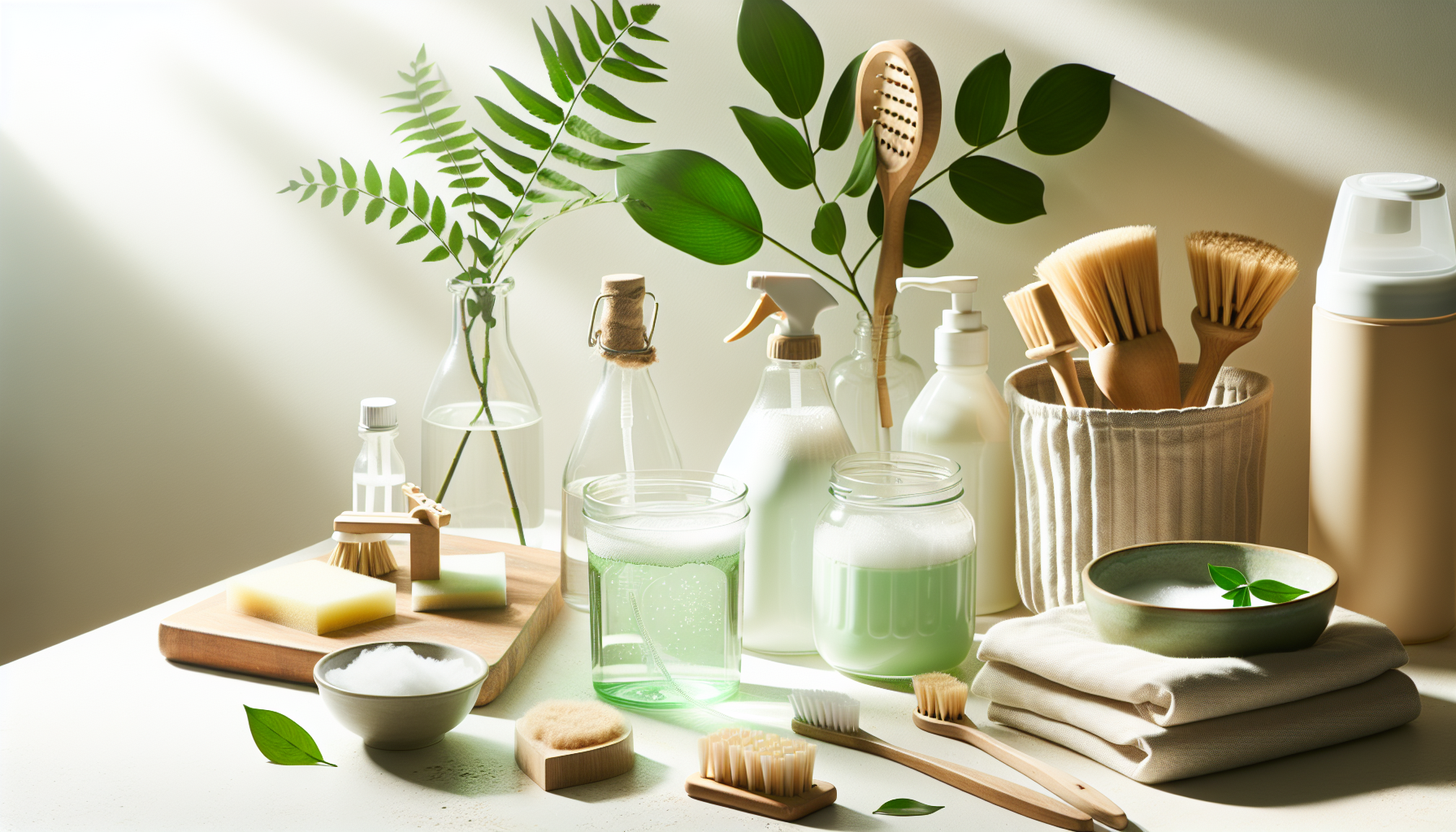
Adopting a zero-waste cleaning routine is a powerful way to make a positive environmental impact while promoting a healthier home. By reducing waste and embracing sustainable practices, you can keep your space clean without contributing to landfills. Here’s your comprehensive guide on how to start.
Understanding Zero Waste
Zero waste is a lifestyle that emphasizes the reuse of resources, minimizing consumption, and maximizing recycling. The goal is to ensure nothing ends up in landfills or incinerators. This approach encourages careful consideration of purchases, intention in resource consumption, and persistence in recycling efforts to close the waste loop.
Key Principles for Zero-Waste Cleaning
The foundation of a zero-waste cleaning routine lies in three essential principles:
- Reduce: Limit the number of cleaning products you use, favoring multipurpose options. By doing so, you'll not only cut down on potential waste but also save money and minimize clutter. When choosing products, look for high-quality, concentrated options. Examples include a biodegradable dish soap that can also clean countertops or castile soap with multiple applications around the home.
- Reuse: Choose reusable products like cloth rags over paper towels. Invest in high-quality microfiber cloths or upcycle old t-shirts into cleaning rags. These items can be washed and reused countless times, reducing waste significantly.
- Recycle: Properly recycle what packaging materials you cannot avoid. Always clean recyclables before discarding them to ensure they don't contaminate other recyclables. Check local guidelines to know which materials are recyclable in your area to maximize the effectiveness of your recycling efforts.
Essential Zero-Waste Cleaning Materials
To set up a zero-waste cleaning routine, start with these natural materials:
- Reusable Cloths and Sponges: Opt for cloths made from natural fibers like cotton and bamboo instead of paper towels. Bamboo cloths are particularly sustainable due to bamboo's fast growing nature. Look for brands offering compostable sponges or invest in longer-lasting silicone options.
- Natural Cleaning Ingredients: Consider vinegar, baking soda, lemon juice, castile soap, and essential oils for most cleaning tasks. These ingredients are versatile and can tackle a variety of cleaning challenges from degreasing to disinfecting.
- Glass Spray Bottles: Use for homemade cleaners to minimize plastic waste. Choose bottles with silicone sleeves or durable construction for longevity, reducing the need for frequent replacements.
- Bulk Buying: Purchase ingredients in bulk to reduce packaging. Many stores offer zero-waste sections where you can refill your own containers, saving both plastic and money over time.
Creating Homemade Cleaners
Homemade cleaners are an excellent way to reduce waste and avoid chemicals. Here are some easy-to-make recipes:
- All-Purpose Cleaner: Mix 1 part vinegar with 1 part water, adding essential oils like lavender or tea tree for scent and additional antibacterial properties. Perfect for countertops, surfaces, and floors.
- Glass Cleaner: Combine 2 cups of water, 1/2 cup of vinegar, plus essential oils such as lemon or eucalyptus. This simple blend leaves glass streak-free without the harsh chemicals found in commercial products.
- Scrubbing Paste: Make a paste with baking soda and water for tough cleaning jobs. This abrasive mixture is excellent for scrubbing sinks, tiles, and stubborn grime.
- Wood Polish: Mix olive oil and lemon juice to revitalize wood surfaces. A soft cloth will enhance the shine without damaging finishes.
Implementing a Routine
Setting a structured cleaning routine ensures your home stays clean and sustainable:
- Establish a Schedule: Regular cleaning prevents dirt buildup, reducing the need for harsh chemicals. Break your cleaning tasks into manageable weekly and monthly segments. For instance, vacuum on Mondays, and dust on Thursdays.
- Zone Cleaning: Focus on one area at a time to simplify the process. Dedicate days to specific rooms, ensuring no area is overlooked, reducing the feeling of overwhelm that large cleaning tasks can bring.
- Declutter Regularly: Keeping your space tidy reduces cleaning time and effort. Implement systems to regularly donate or recycle unused items, making your cleaning routine more efficient.
- Product Rotation: Use products that are already open first to ensure nothing goes to waste, and track how long each product lasts–this can guide future purchases.
Health and Safety
Sustainable cleaning isn’t just about the planet; it’s about your safety too:
- Ventilation: Properly ventilate your space, especially when using vinegar, which can have a potent smell. Open windows or run a fan to disperse any overpowering scents quickly.
- Label Your Cleaners: Clearly label all homemade cleaning solutions. Include the creation date and ingredients to ensure both safety and effective usage.
- Store Safely: Keep cleaning materials out of reach of children and pets. Clearly define a high and safe storage area away from food preparation zones.
Additional Tips
- Compostable Cleaning Tools: Choose brushes with wooden handles that can be composted when worn out. Similarly, consider plant-based bristles over synthetic ones.
- Repurposing: Use old fabrics as cleaning rags and turn disposable items like toothbrushes into grout scrubbers, giving them a second life.
- Avoid Harsh Chemicals: Opt for eco-friendly cleaners to reduce toxic exposure. Prioritize brands that disclose all ingredients and hold certifications for environmental responsibility.
- Education: Stay informed about zero-waste and eco-friendly practices. Join forums or local groups to share experiences and learn new techniques.
Common Mistakes and How to Avoid Them
Transitioning to zero waste can come with its hurdles. Here are common pitfalls and ways to navigate them:
- Over Buying: Resist the urge to buy every zero-waste gadget or product. Start with essentials and expand slowly, ensuring that each addition is genuinely useful.
- Ignoring Local Resources: Many communities offer composting facilities, recycling programs, or bulk stores. Utilize these to maximize your zero-waste practices.
- Lack of Patience: Building new habits takes time. Celebrate small wins and remain flexible in your approach as each home’s needs are unique.
By transitioning to a zero-waste cleaning routine, not only will you reduce your carbon footprint, but you’ll also create a cleaner, healthier space for you and your loved ones. Remember, the journey to sustainability is gradual, so start by using up existing supplies and replacing them with eco-friendly alternatives over time. Considering a comprehensive solution? The Zero Waste Cleaning Kit might just be what you need.
Embrace the change, one cleaning session at a time, and enjoy the difference it makes for your home and the planet.
As an Amazon Associate, The Clean Code earns from qualifying purchases.
Featured Product

Zero Waste Cleaning Kit
The EcoRoots Zero Waste Cleaning Kit includes reusable cloths and natural cleaning solutions, making it perfect for reducing waste and toxic exposure in your home cleaning routine.
View on Amazon →You May Also Like
10 Non-Toxic Cleaning Hacks for a Healthier Home
10/9/2025
Switch your home to safe and simple alternatives with these easy DIY cleaning tricks.
Read More →
The Clean Cookware Guide: Healthier Materials for Everyday Cooking
10/11/2025
Discover which cookware materials are safest for your health and how to build a toxin-free kitchen.
Read More →
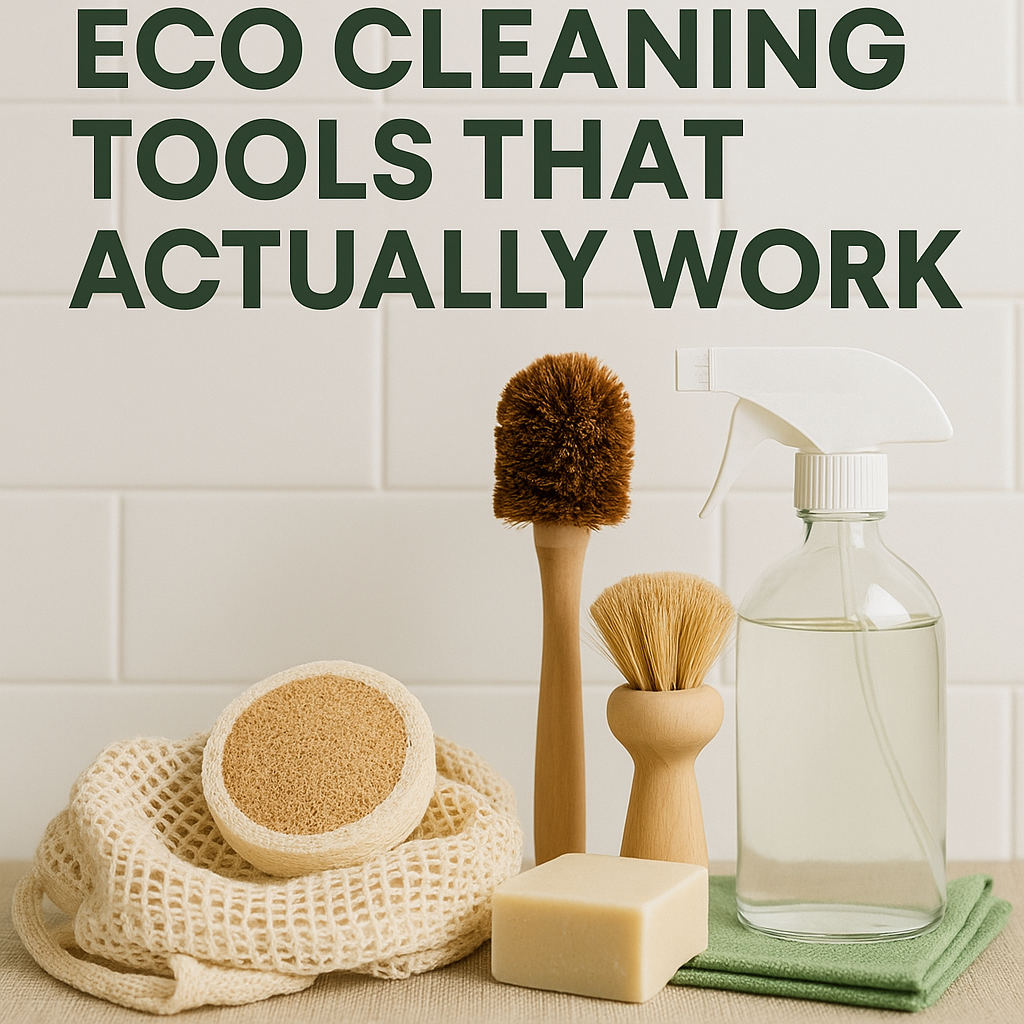
Eco Cleaning Tools That Actually Work
10/13/2025
Swap plastic sponges and wasteful paper towels for durable, sustainable tools that clean better and last longer.
Read More →