Zero-Waste Pantry Organization Tips and Tricks
4/27/2026
⏱ 6-minute read
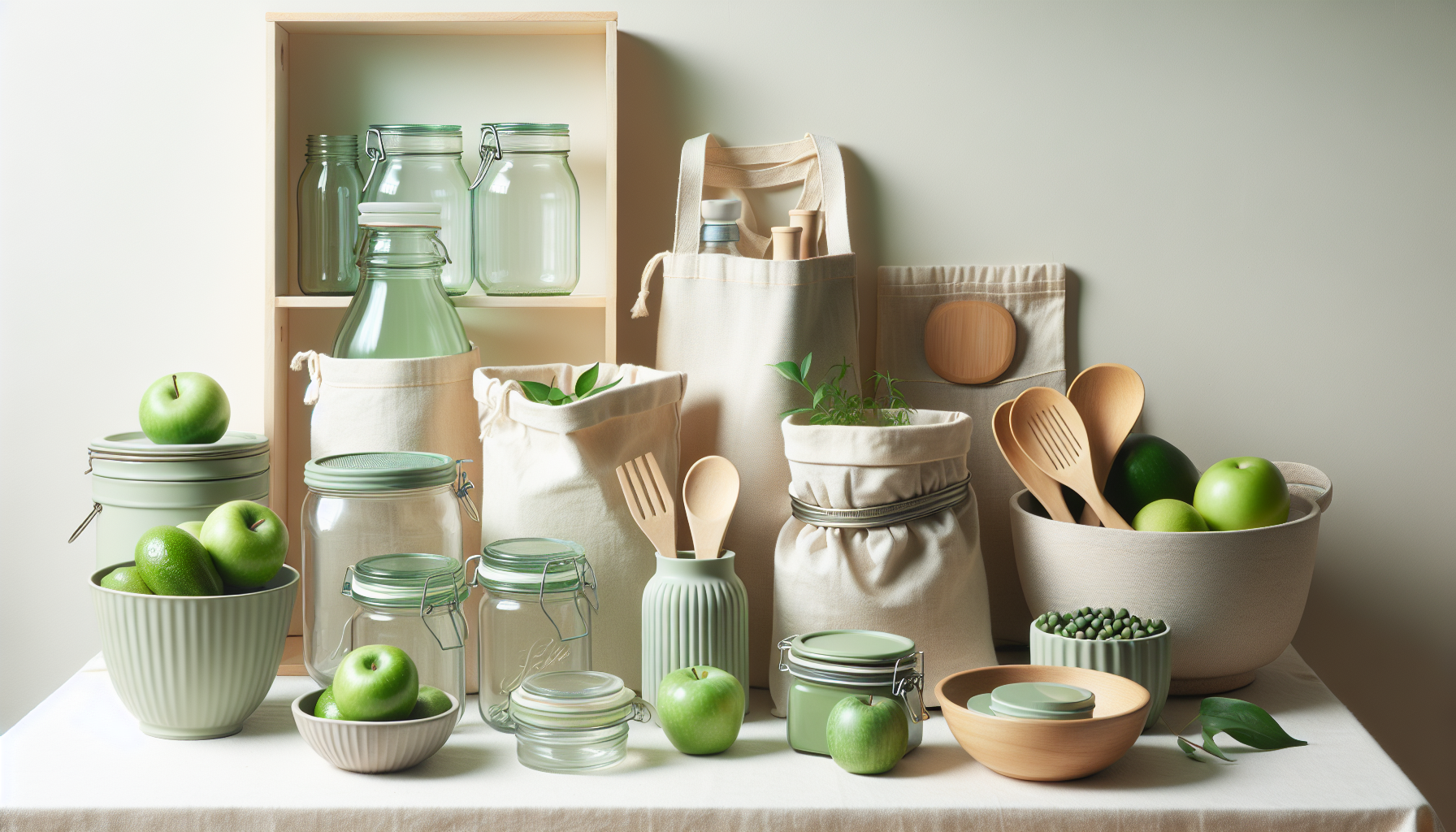
For those embarking on a journey towards a more sustainable lifestyle, creating a zero-waste pantry is essential. Not only does it contribute to the environment by reducing plastic and packaging waste, but it also brings harmony and efficiency to your home. Here are some practical and actionable tips to transform your pantry into a zero-waste haven.
Adopt Reusable Containers
One of the first steps in achieving a zero-waste pantry is to adopt reusable containers. Opt for mason jars and glass jars. These containers are ideal for storing dry goods such as grains, legumes, and spices. Glass is not only recyclable but also prevents odors and is more hygienic compared to plastic. When choosing glass jars, look for those with airtight lids to preserve the freshness of your food and extend its shelf life. Additionally, labeling these jars will help you keep track of contents and expiration dates, thus preventing food waste.
For those concerned about breakage, there are durable options like stainless steel containers that are equally effective in maintaining freshness and are also zero-waste. Furthermore, don't overlook the potential of repurposing jars from sauces or pickles by removing labels and giving them a thorough clean.
To quickly get started, sort through your pantry to measure the quantities of your commonly stored foods. This will help you determine the number and sizes of containers needed. Make a list and purchase them gradually to minimize initial costs.
Bulk Shopping
Shopping from bulk bins is a cornerstone of the zero-waste lifestyle. By purchasing staples in bulk, you can use your own containers, significantly reducing packaging waste. Before heading to the store, create a bulk-buying list of essentials such as oats, rice, beans, spices, and flour. Consider using cotton or mesh bags for grains and produce. These bags are lightweight and washable, making them a sustainable choice. Avoid synthetic options and look for 100% cotton for a fully biodegradable solution.
When buying in bulk, it's crucial to know your pantry's storage capacity to prevent over-purchasing. Start by assessing how quickly your household consumes different items, so you buy just the right amount. Always carry a few extra bags in case you come across an unexpected sale or are inspired to try something new.
Strategic Organization
Efficient pantry organization is key. Implement the First In, First Out (FIFO) system to ensure older items are used before newer ones, reducing spoilage. Store items in clear containers to easily monitor your inventory, minimizing unnecessary purchases. Transparent containers let you see the quantity and condition of your food at a glance, which assists in meal planning and prevents the purchase of duplicates.
Create a designated space for new purchases, so they don't accidentally mix with older items. Use shelves to group similar items—baking goods, snacks, and cooking essentials—together for quicker access during meal prep. Invest in stackable containers to maximize vertical space, and ensure all containers are clearly labeled, including the date of purchase.
Waste Minimization Techniques
To further reduce waste, consider starting a compost bin for food scraps. Composting returns nutrients to the soil and reduces landfill waste. Not all waste goes straight into the compost; learn which food scraps like vegetable peelings, eggshells, and coffee grounds are beneficial. Avoid composting meats or oily foods as these can attract pests.
Make sure to recycle any unavoidable packaging according to local guidelines, thus ensuring it leaves a minimal footprint. Check if your local recycling program requires specific cleaning or sorting methods. Additionally, think about ways to repurpose packaging, like using paper bags for compost or craft projects.
Health and Safety Considerations
Maintain safety and quality of your pantry items by storing them in a cool, dry location. Use airtight containers to protect your food from humidity and pests, extending its shelf life, and keeping it fresher for longer. Prioritize non-toxic and food-safe container materials when organizing and storing food.
For households with allergies, storing foods separately and labeling containers clearly are important safety measures. Regularly clean your shelves and inspect for any signs of pests or spoilage.
DIY and Homemade Solutions
Create homemade cleaning supplies with simple ingredients like vinegar and baking soda, which are effective and reduce chemical exposure. These can be used for cleaning both kitchen countertops and the interior of your pantry. Recipes for multisurface cleaners usually combine equal parts water and vinegar with a few drops of essential oil for a pleasant scent.
Also, learning the art of preserving and canning allows you to enjoy seasonal produce all year round without the waste. Begin with simple projects like making jam or pickling vegetables to build your skills gradually. Don’t forget to sterilize your canning jars properly to ensure food safety.
Community and Sharing
Engage with your community by joining bulk buying clubs or food sharing platforms. These initiatives not only help you save money but also foster a sense of community and reduce individual waste. Participate in local food swaps to share excess pantry items or homemade preserves with others.
Check your neighborhood social media groups or community boards for sustainable living events or zero-waste forums. These resources can provide additional support and inspiration, encouraging collective efforts towards a low-impact lifestyle.
Planning and Mindful Consumption
Thoughtful meal planning prevents over-purchasing and waste. Prioritize recipes that utilize ingredients you already have to minimize additional shopping trips. Conduct regular inventory checks to manage stocks efficiently, ensuring all items are consumed before expiration. Make a habit of planning meals based on what's nearing its use-by date.
To establish a planning routine, aim to review your pantry at the beginning of each week. Create a running list of items you need to purchase and stick to it during grocery trips. This routine will help in maintaining order and reducing impulse purchases.
Common Mistakes
Switching to a zero-waste pantry isn't free from pitfalls. A common mistake is buying reusable items in excess, which can counteract the sustainable principle of reducing consumption. Start by assessing what you truly need, and gradually transition to a zero-waste method. There's also the risk of overstocking in bulk purchases; always measure against your storage capacity and usage patterns.
Neglecting proper labeling leads to expired goods or accidental wastage. Implement a simple labeling system that includes purchase and expiration dates. Also, remember that zero-waste living is a gradual process, not an instant transformation, so be patient with your progress.
Education and Adaptation
Stay informed about new zero-waste techniques and products. Follow blogs, podcasts, and workshops that focus on sustainable living to continually improve your practice. As you learn what best suits your household needs, be ready to adapt and evolve your strategies for sustainable living. Embrace change by setting small, achievable goals that align with a zero-waste lifestyle, like reducing single-use plastics or practicing mindful shopping.
Remember, the journey towards a zero-waste lifestyle begins with small, deliberate steps. Each effort you make contributes to a healthier planet and a more sustainable future. Embrace the change and let your pantry be a testament to the power of conscious living.
As an Amazon Associate, The Clean Code earns from qualifying purchases.
Featured Product

Glass Food Storage Jars with Bamboo Lids
These airtight glass jars with natural bamboo lids are perfect for a zero-waste pantry, allowing you to store bulk goods while eliminating plastic waste. Their sleek design also helps you achieve an organized and attractive pantry setup.
View on Amazon →You May Also Like
10 Non-Toxic Cleaning Hacks for a Healthier Home
10/9/2025
Switch your home to safe and simple alternatives with these easy DIY cleaning tricks.
Read More →
The Clean Cookware Guide: Healthier Materials for Everyday Cooking
10/11/2025
Discover which cookware materials are safest for your health and how to build a toxin-free kitchen.
Read More →
Eco Cleaning Tools That Actually Work
10/13/2025
Swap plastic sponges and wasteful paper towels for durable, sustainable tools that clean better and last longer.
Read More →