The Truth About Laundry Detergents: Hidden Toxins and Safer Alternatives
10/9/2025
⏱ 7-minute read
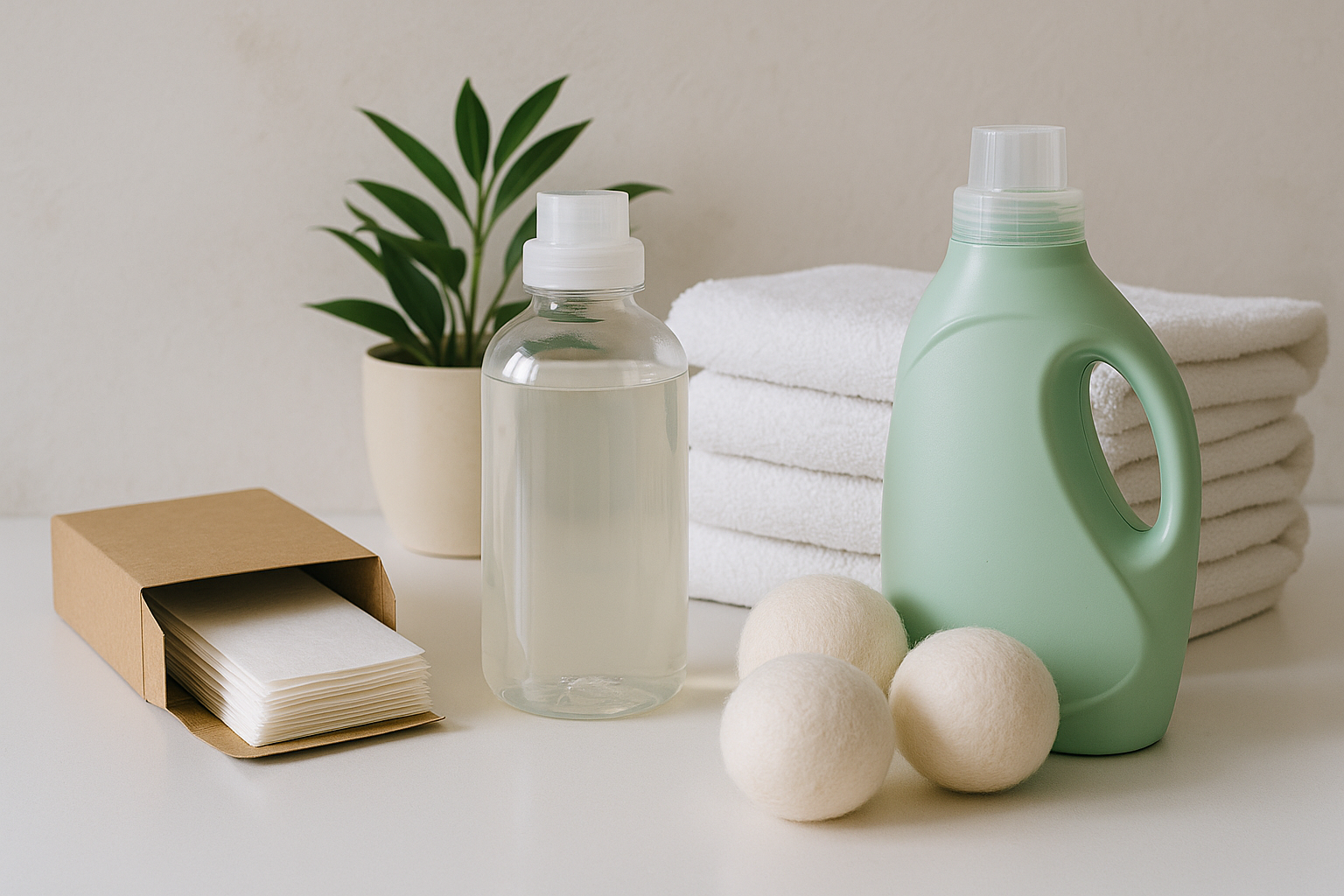
When was the last time you took a good look at your laundry detergent's ingredient list? Chances are, the small print conceals a cocktail of chemicals that do more than just clean your clothes. Mainstream detergents often mask these with terms like 'fragrance' and 'brighteners,' leaving residues on fabrics that compromise your health and the environment. Fortunately, achieving genuinely clean laundry is possible without these harmful additives. Let’s look at the seven hidden toxins found in conventional laundry detergents and explore expert-approved, safer alternatives.
1. Fragrant Chemicals: The Hidden Mix
Labels boasting 'fragrance' might be more accurately labeled as 'mystery mix.' This seemingly simple term can mask hundreds of undisclosed chemicals, including phthalates, which are infamous for their hormone-disrupting effects. These chemicals are designed to stick around, ensuring that freshly laundered scent lingers, often at the cost of long-term health impacts. Being phthalate-free is a priority, but achieving it means scrutinizing the labels carefully and choosing fragrance-free options.
What to look for: Seek out terms like 'no synthetic fragrances' or 'phthalate-free' on the packaging. Opt for third-party certifications like Ecocert or EWG Verified to ensure product claims.
Swap it: Opt for detergents that are fragrance-free or employ natural essential oils. Products from Tru Earth and Seventh Generation are great examples of brands simplifying their formulas for safer user experiences. A drop of lavender or lemon oil on wool dryer balls can also add a gentle scent.
Quick-start checklist:
- Check ingredient lists for synthetic fragrances.
- Opt for essential oil-based or unscented products.
- Consider DIY fragrance using wool dryer balls.
2. Optical Brighteners
Optical brighteners are chemicals that coat fabrics to make them appear whiter without actually contributing to cleanliness. These fluorescent compounds absorb ultraviolet light and emit it as blue light, masking any yellowing and making clothes appear brighter. However, they can cling to your skin after wear and cause allergic reactions or irritation.
Environmental impact: When washed down the drain, these chemicals pose risks to aquatic life, remaining stable in the environment for extended periods and contributing to the pollution of water bodies.
What to avoid: Avoid products displaying terms like 'whitening effect' or ‘optical brightener.’ Look for simple, clear ingredients devoid of unnecessary additives.
Swap it: Choose products with transparent ingredient lists that steer clear of claims like 'whiter than white.' Earth Breeze detergent strips provide effective cleaning sans the optical illusions.
Common mistakes:
- Assuming enhanced whiteness indicates cleanliness.
- Overlooking long-term effects on clothing fibers.
- Disregarding the ecological footprint of brighteners.
3. SLS & SLES (Foaming Agents)
The satisfaction of rich foam is largely a visual trick, not a cleaning necessity. Sodium lauryl sulfate (SLS) and sodium laureth sulfate (SLES) are aggressive surfactants that may contribute to skin irritation and can carry contaminants from their production processes. These chemicals are designed to break up grease and oils, giving the illusion of intense cleaning power.
Safety concerns: These substances can strip the skin of its natural oils, potentially leading to dryness or irritation, particularly for people with sensitive skin or allergies.
What to look for: Opt for detergents utilizing milder, plant-based surfactants such as those derived from coconut or sugar.
Swap it: Look for alternatives using coconut-based or glucoside surfactants. Options like Pure Castile soap and eco-friendly sheets employ biodegradable ingredients respectful of both skin and soil.
Quick-start checklist:
- Read labels to avoid SLS and SLES.
- Prefer plant-derived surfactants.
- Choose products with limited bubbling power for sensitive systems.
4. Formaldehyde Releasers
Some preservatives release formaldehyde in small amounts to fend off bacteria during use. Unfortunately, exposure to trace amounts over time can present significant risks, such as respiratory irritation and even cancer. These preservatives extend shelf life but come with hidden dangers.
Where they hide: Look for ingredients like DMDM hydantoin, imidazolidinyl urea, or quaternium-15, which are indicators of formaldehyde-releasing preservatives.
Swap it: Seek out detergents with succinct, transparent ingredient lists labeled 'formaldehyde-free.' Fragrance-free varieties often require fewer preservatives, providing a dual benefit.
Common Replacements: Choose brands relying on natural preservatives like grapefruit seed extract or simple formulations that don’t require intensive preservation.
5. Ammonium Quats (Fabric Softeners)
‘Quats’ or quaternary ammonium compounds are common in fabric softeners and antibacterial formulas but can exacerbate asthma and irritate sensitive skin. While these compounds provide a softening effect, they are not necessary for achieving soft laundry and contribute to skin and respiratory issues.
Environmental impact: Quats are resistant to biodegradation and can accumulate in aquatic environments, harming marine life.
Swap it: Embrace the simplicity of wool dryer balls to reduce static and naturally soften clothes. Adding a couple of essential oil drops can also freshen your laundry’s scent.
What to avoid: Steer clear of labels listing terms like 'fabric softening' or 'aqueous ammonium compounds.'
6. Dyes
The vibrant color of your detergent often does little more than catch your eye. Dyes added to laundry products can irritate skin and contribute to water pollution after draining into sewage systems. It is more about visual appeal than functionality.
Environmental concerns: As non-essential additives, dyes can contribute to both visual pollution and ecological toxicity in waterways.
Swap it: Go for products tagged 'dye-free.' If aesthetics matter, consider repurposing a glass dispenser to house your dye-free detergent for a visually pleasing laundry station.
Common mistakes:
- Prioritizing color over ingredient quality.
- Misunderstanding the purpose of dyes.
- Disregarding their role in pollution.
7. Synthetic Polymers & Microplastics
Many detergents contain synthetic polymers to bind fragrance or help anti-redeposition agents cling to fabric. These tiny plastic particles can wend their way into waterways, tarnishing ecosystems by the wash. Reducing your plastic footprint means recognizing these seemingly invisible threats.
What to do: Install a fiber filter on your washing machine and use a Guppyfriend bag to prevent microfibers from entering the water system.
Swap it: Consider using a Guppyfriend washing bag or filtering your washing machine's output to capture these fibers before they can pollute waters.
Quick-start checklist:
- Use a microplastic filtering bag in washes.
- Check labels for synthetic polymer avoidances.
- Install a filter equipped with microplastic capture.
Rethinking Laundry Routines
Even the most eco-friendly products benefit from mindful washing habits. Don’t overuse detergent—more doesn’t equate to better—and often results in excess residue. Embrace chilly washes with cold water to conserve energy. Once a month, run an empty hot cycle infused with vinegar to freshen your machine.
FAQ: How can I reduce detergent use without compromising cleanliness?
Use only the recommended amount of detergent as indicated by the manufacturer. Cutting back doesn’t just lessen environmental impact—it can lead to longer-lasting garments and cleaner rinse cycles.
Choosing Safer Fabrics
The presence of safe fabrics lessens exposure to pollutants. Natural fibers—such as cotton, linen, and hemp—inherently shed less in washes. Conversely, synthetic materials like polyester can release microplastics, thus limiting their use is ideal for your eco-footprint.
FAQ: What are some eco-friendly fabric alternatives?
Opt for organic or unbleached cotton and explore lesser-known fibers like bamboo or Tencel, which have lower environmental impacts.
Building a Clean Laundry Routine
Commit to a routine prioritizing health and sustainability. This could look like:
- Using Castile soap or plant-based strips.
- Switching to wool dryer balls in lieu of chemical softeners.
- Line drying your clothes for natural deodorizers like sunlight.
- Maintaining the cleanliness of your machine with monthly deep cleans.
- Investing in water-efficient machines reduces resource consumption.
Final Thoughts
Every laundry decision impacts personal health and global environments in ways often underestimated. A simple shift toward natural detergents and mindful practices is all it takes to shoulder the responsibility for cleaner, greener laundering. Your clothing will feel fresher, your conscience lighter, and your legacy all the more vibrant.
“Small changes blossom into big results. Start small — swap one product at a time and awaken to the authentic freshness of your fabric.”
As an Amazon Associate, The Clean Code earns from qualifying purchases.
Featured Product

Earth Breeze Laundry Detergent Strips
Biodegradable detergent sheets that clean effectively without harsh chemicals or plastic jugs.
View on Amazon →You May Also Like
10 Non-Toxic Cleaning Hacks for a Healthier Home
10/9/2025
Switch your home to safe and simple alternatives with these easy DIY cleaning tricks.
Read More →

The Clean Cookware Guide: Healthier Materials for Everyday Cooking
10/11/2025
Discover which cookware materials are safest for your health and how to build a toxin-free kitchen.
Read More →
Eco Cleaning Tools That Actually Work
10/13/2025
Swap plastic sponges and wasteful paper towels for durable, sustainable tools that clean better and last longer.
Read More →