The Truth About Essential Oils (and How to Use Them Safely at Home)
10/11/2025
⏱ 6-minute read
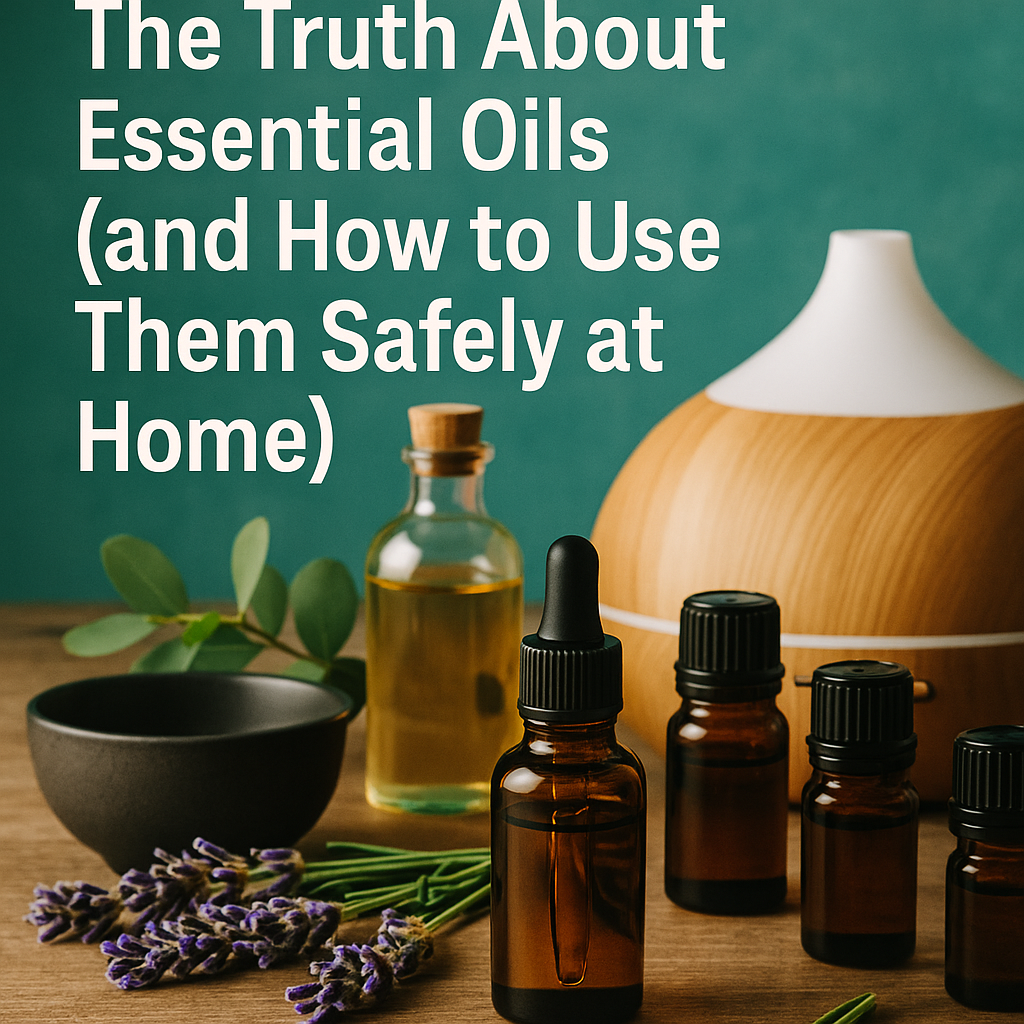
Essential oils are powerful plant extracts used for centuries in medicine, cleaning, and aromatherapy. Today, they’re everywhere—from candles to countertop sprays—but not all oils (or uses) are created equal. When used correctly, they can refresh your space and mood naturally. When misused, they can irritate skin, harm pets, or waste your money. This guide breaks down how to choose, blend, and apply them safely—no hype, just clean facts.
1. What Are Essential Oils?
Essential oils are concentrated compounds extracted from plants via steam distillation or cold pressing. They’re essentially the plant’s “immune system,” rich in bioactive compounds like terpenes, esters, and phenols. Popular examples include lavender, tea tree, and lemon—each offering its own blend of antimicrobial, calming, or deodorizing benefits. The extraction method is crucial since it affects the oil's purity and therapeutic properties.
Because they’re highly concentrated, a few drops go a long way. This potency requires respect and proper dilution to ensure safe usage—too much on the skin or inhalation can lead to adverse reactions. Distinguishing between genuinely therapeutic oils and those that aren't can be a task for the untrained nose; hence, understanding handling and testing methods, like verifying authenticity through standardized testing like GC/MS (Gas Chromatography Mass Spectrometry), is essential in making informed choices.
2. The Problem With “Fragrance Oils”
Many brands claim to use essential oils but rely on synthetic fragrance blends instead. These mimic natural scents but often contain hundreds of undisclosed chemicals—including potential endocrine disruptors. An essential oil should enhance well-being, but synthetics can compromise this intention. Always check labels for phrases like “100% pure” or “GC/MS tested.” Skip anything that lists “fragrance,” “parfum,” or “aroma blend,” as these terms often signal the presence of synthetic chemicals rather than a pure extract.
Clean tip: If the oil smells overpowering or leaves a greasy film when diffused, it’s likely synthetic. Try a blotting paper test: true essential oils should evaporate completely, leaving no residue.
3. Choosing High-Quality Oils
Purity matters more than branding. Look for companies that clearly list the Latin botanical name, country of origin, and extraction method. Reputable suppliers often provide batch test reports to verify authenticity. This transparency indicates a dedication to quality and safety.
- ✔️ Plant Therapy
- ✔️ Eden’s Garden
- ✔️ NOW Foods
When buying, prioritize suppliers who observe sustainable practices, ensuring that the harvesting does not negatively impact the environment or the local communities involved. The Certified Organic label can also help you identify products that are free of pesticides and other synthetic additives.
4. Safe Ways to Use Essential Oils
There are three primary ways to safely use essential oils at home:
- Diffuse: Add 3–6 drops to a diffuser with water. This gently disperses scent and can improve focus or relaxation. Consider the size of the room and the duration you plan to diffuse to avoid overwhelming the space. See our air freshener guide for more science-backed blends.
- Topical: Always dilute before applying to skin—1 drop per teaspoon of carrier oil (like jojoba or coconut). Perform a patch test first to check for sensitivity, especially if you have sensitive skin.
- Cleaning: Add a few drops to DIY cleaning sprays for mild antibacterial and scent benefits. Essential oils like lemon and tea tree are great for cleaning purposes. See our cleaning hacks for specific recipes.
5. Safety Tips (Especially for Kids and Pets)
Oils pose specific risks for children and animals. Awareness of these hazards is necessary to prevent accidents:
- 🚫 Avoid diffusing tea tree, clove, or citrus oils around cats—they can’t metabolize them and can lead to toxicity.
- 🚫 Never apply essential oils directly to infants or diffuse in enclosed nurseries. Use age-appropriate oils cautiously, and consider consulting a pediatrician if unsure.
- ✔️ Keep bottles out of reach—some are toxic if swallowed, and curiosity can lead kids to open and ingest them. Ensure safety caps are securely fastened.
- ✔️ Store in a cool, dark place—sunlight breaks down potency, which could lead to reduced efficacy or spoilage. A cabinet or refrigerator works well.
6. Best Oils for Cleaning and Mood
Some essential oils are functional for cleaning, while others boost energy or promote calm. Using oils purposefully can create a harmonious balance in your home:
- 🧽 Lemon: Degreases and deodorizes kitchen surfaces. It’s effective and leaves a fresh fragrance.
- 🪞 Tea Tree: Antimicrobial powerhouse—perfect for bathrooms and problematic areas prone to mold.
- 🌿 Eucalyptus: Clears airways and neutralizes odors, perfect for cold seasons or during allergies.
- 🕯️ Lavender: Calms the mind and supports sleep, aiding in building a relaxing evening routine.
- 🍊 Sweet Orange: Brightens mood and cuts cooking smells—ideal for living areas and kitchens.
7. How to Blend Scents (Beginner Formulas)
Creating your own blends is part art, part chemistry. Understanding how different notes interact can help tailor an ideal scent for your needs. Try a simple 3-2-1 ratio: 3 drops citrus (top note), 2 drops floral (middle), 1 drop earthy (base). Here are some proven combos:
- 🌼 Calm Space: Lavender + Ylang Ylang + Bergamot brings together floral and citrus for a tranquil environment.
- ☀️ Fresh Kitchen: Lemon + Peppermint + Tea Tree refreshes and sanitizes, ensuring a crisp, clean smell.
- 🌙 Sleep Blend: Lavender + Cedarwood + Roman Chamomile creates a soothing bedtime atmosphere.
If creating from scratch seems intimidating, start with ready-made blends. They are an excellent introduction and opportunity to learn about unique scent combinations.
8. Storage & Shelf Life
Store oils in dark glass bottles (amber or cobalt) away from direct heat and light to preserve their therapeutic properties. The proper container prevents oxidation and degradation. Citrus oils oxidize within a year and should be replaced regularly, while earthy ones like patchouli or sandalwood can last up to five years when sealed properly. Check for changes in smell or cloudiness to identify degradation.
9. DIY Diffuser Blend Recipe
For a quick and easy scent boost, try this DIY diffuser blend: Combine 4 drops orange, 2 drops eucalyptus, and 1 drop lavender in your diffuser for a clean, spa-like aroma. For bathroom odor control, add 1 drop peppermint for a fresh twist. Tailor amounts to suit your personal preferences and room size for optimal diffusion.
Common Mistakes
Even seasoned users can slip up. Here are a few common pitfalls to avoid:
- Overuse: More drops don’t necessarily mean increased benefits. It can lead to oversaturation of the air, potentially causing headaches or allergies.
- Assuming All Oils Are Safe: Some oils are phototoxic, meaning they can cause skin damage when exposed to sun. Always research your oil's properties before using.
- Ignoring Expiry Dates: Oils do not improve with age; expired oils may harm rather than heal.
Final Thoughts
Essential oils can completely transform your air, mood, and cleaning routine—but only when used with knowledge and respect. Always dilute, choose reputable brands, and be mindful of pets and kids. Start small, stay consistent, and build your own library of natural scents that make your home healthier and happier.
For more guidance, explore our Natural Air Fresheners Guide and Clean Air at Home article. Clean doesn’t have to smell synthetic—it can smell like nature itself.
As an Amazon Associate, The Clean Code earns from qualifying purchases.
Featured Product

Essential Oils Starter Kit (Top 6 Scents)
A curated beginner kit featuring lavender, lemon, peppermint, tea tree, eucalyptus, and orange—perfect for cleaning and diffusing.
View on Amazon →You May Also Like
10 Non-Toxic Cleaning Hacks for a Healthier Home
10/9/2025
Switch your home to safe and simple alternatives with these easy DIY cleaning tricks.
Read More →
The Clean Cookware Guide: Healthier Materials for Everyday Cooking
10/11/2025
Discover which cookware materials are safest for your health and how to build a toxin-free kitchen.
Read More →
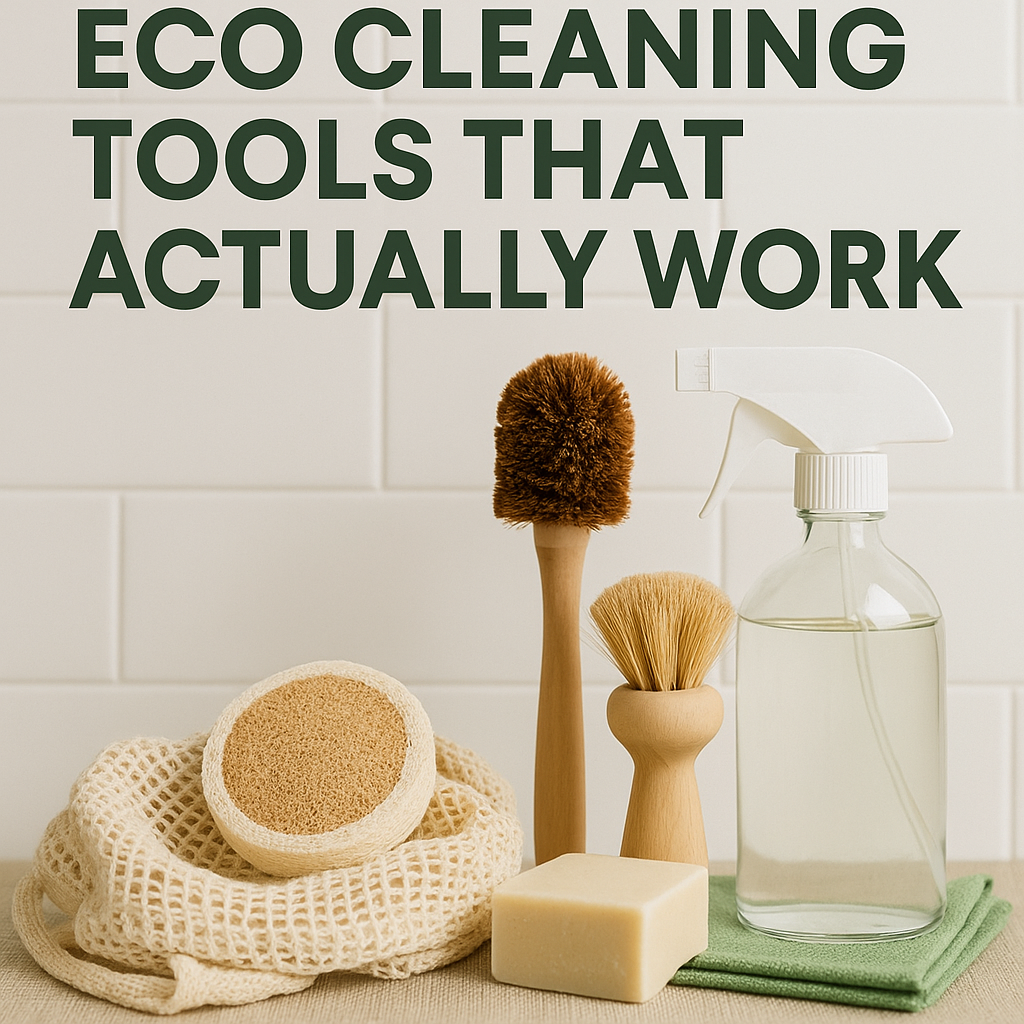
Eco Cleaning Tools That Actually Work
10/13/2025
Swap plastic sponges and wasteful paper towels for durable, sustainable tools that clean better and last longer.
Read More →